Europe warns of Russia’s hybrid attacks but struggles to counter them
  Former chief election commissioner calls SIR scheme illegal.
  A Corruption Scandal Is Reshaping Brazil’s Presidential Election
  US citizen injured in Illinois after ICE agents mistook him for fugitive, tried to arrest him
  At 10 years old, Smithsonian’s Black museum is undaunted amid pressure from Trump administration
 Iran War Escalates: Tankers Hit and Energy Infrastructure Targeted as Gulf Oil Supply Faces Major Disruption
iran escalates tankers energy:
Iran Steps Up Attacks on Energy Targets as Tankers Are Hit in Gulf Escalation
The conflict in the Middle East has intensified sharply after Iran increased attacks on oil infrastructure, ports, and commercial tankers across the Persian Gulf, raising fears of a global energy crisis. The latest strikes have targeted shipping routes and fuel facilities that are vital to the world’s oil supply, pushing crude prices higher and threatening to disrupt international trade.
The escalation comes as the war involving Iran, the United States, and Israel enters a dangerous new phase, with both sides expanding the scope of their military operations.
Tankers Set Ablaze in Iraqi Waters
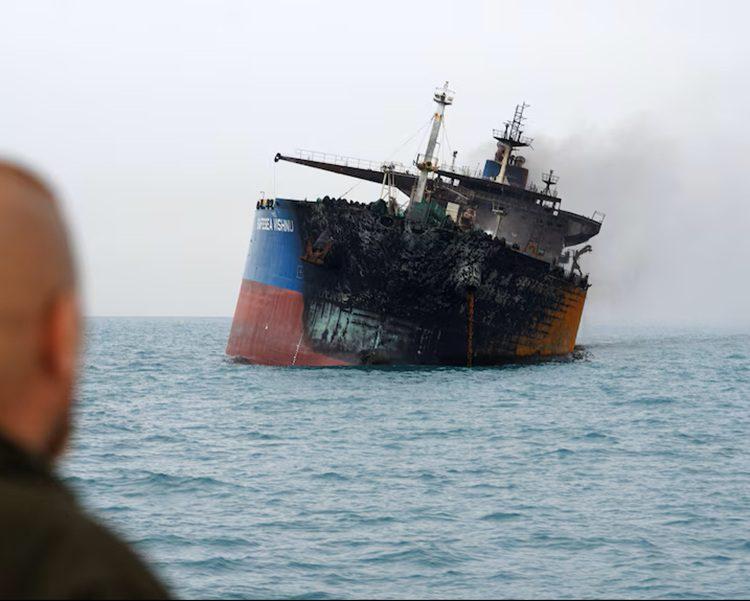
Two oil tankers were reportedly set on fire after being hit by projectiles in Iraqi waters, according to officials and shipping reports. The attacks caused large fires on the vessels and forced crews to evacuate as maritime rescue teams rushed to the scene.
The strikes are believed to be part of Iran’s strategy to disrupt energy supplies and pressure Western governments amid the ongoing conflict. Shipping companies operating in the region have warned that the attacks could force vessels to avoid the Gulf entirely if security deteriorates further.
In addition to the tanker strikes, another commercial vessel near the United Arab Emirates was reportedly hit by a projectile, triggering a small onboard fire but leaving the crew safe.
These incidents highlight the growing risk to commercial shipping in one of the world’s busiest oil transit routes.
Oil Infrastructure and Ports Targeted
Beyond tanker attacks, Iranian-linked forces have expanded strikes on oil facilities and energy infrastructure across the Gulf region.
Drone attacks recently targeted fuel storage tanks at the strategic Port of Salalah in Oman, causing massive fires and disrupting port operations. The port is a key hub for energy logistics and shipping routes connecting the Middle East to Asia and Europe.
Other reported targets include:
- Oil storage facilities and ports in the Gulf
- Energy infrastructure in Saudi Arabia and Kuwait
- Shipping routes used by crude tankers
- Refineries and export terminals across the region
Several Gulf states have intercepted Iranian drones aimed at oil fields and industrial sites, including Saudi Arabia’s major Shaybah oil field.
Strait of Hormuz Becomes Flashpoint
At the center of the crisis is the strategic Strait of Hormuz, one of the world’s most important energy chokepoints.
About 20% of the world’s oil supply normally passes through this narrow shipping lane. The conflict has already severely disrupted traffic, with tankers delaying voyages or avoiding the route entirely.
Iran has reportedly deployed naval mines and warned that ships ignoring its warnings could be targeted. The move has slowed maritime traffic and raised the risk of further tanker attacks.
Some analysts say a prolonged closure of the strait could trigger the biggest energy shock since the 1970s oil crisis.
Oil Prices Surge Amid Supply Fears
The attacks on tankers and energy infrastructure have had an immediate impact on global markets. Oil prices surged sharply after news of the strikes, with crude briefly crossing the $100-per-barrel mark.
Energy analysts say the attacks have reduced production in several Gulf countries, cutting millions of barrels from the global oil supply.
The International Energy Agency has warned that the disruption is one of the largest shocks to energy markets in modern history.
To stabilize prices, major economies have agreed to release up to 400 million barrels of oil from strategic reserves, including a significant contribution from the United States.
Global Shipping Industry on High Alert
The escalating attacks have forced shipping companies and insurers to reassess operations in the Gulf region.
Key concerns include:
- Rising insurance costs for tankers
- Potential naval escorts for commercial vessels
- Suspension of shipping routes through conflict zones
- Increased risk of mines and drone attacks
If the situation worsens, shipping companies may reroute vessels around Africa or avoid the Gulf entirely, which would significantly increase transportation costs and delays.
Wider Regional War Risks
The tanker attacks come amid a broader regional conflict that has already spread across several countries.
Military exchanges have been reported in:
- Iran
- Israel
- Lebanon
- Iraq
- Gulf states hosting U.S. bases
Missile strikes, drone attacks, and naval operations are increasing across the region, raising fears that the war could expand into a full-scale regional conflict.
Security experts warn that energy infrastructure will remain a primary target because it directly impacts the global economy.
Economic Impact on the World
The attacks are already affecting global economies by driving up fuel costs and raising inflation risks.
Countries heavily dependent on imported energy—such as India, Japan, and many European nations—are particularly vulnerable to prolonged disruptions in Gulf oil supply.
Analysts warn that if tanker attacks continue and the Strait of Hormuz remains partially closed, oil prices could climb dramatically, potentially reaching $150 to $200 per barrel.
Such a surge would have significant consequences for global economic growth.