Europe warns of Russia’s hybrid attacks but struggles to counter them
  Former chief election commissioner calls SIR scheme illegal.
  A Corruption Scandal Is Reshaping Brazil’s Presidential Election
  US citizen injured in Illinois after ICE agents mistook him for fugitive, tried to arrest him
  At 10 years old, Smithsonian’s Black museum is undaunted amid pressure from Trump administration
 Supreme Court Seeks Centre’s Response on Plea to Ban Polygamy Among Muslims, Rekindling Debate on Personal Laws and Gender Equality
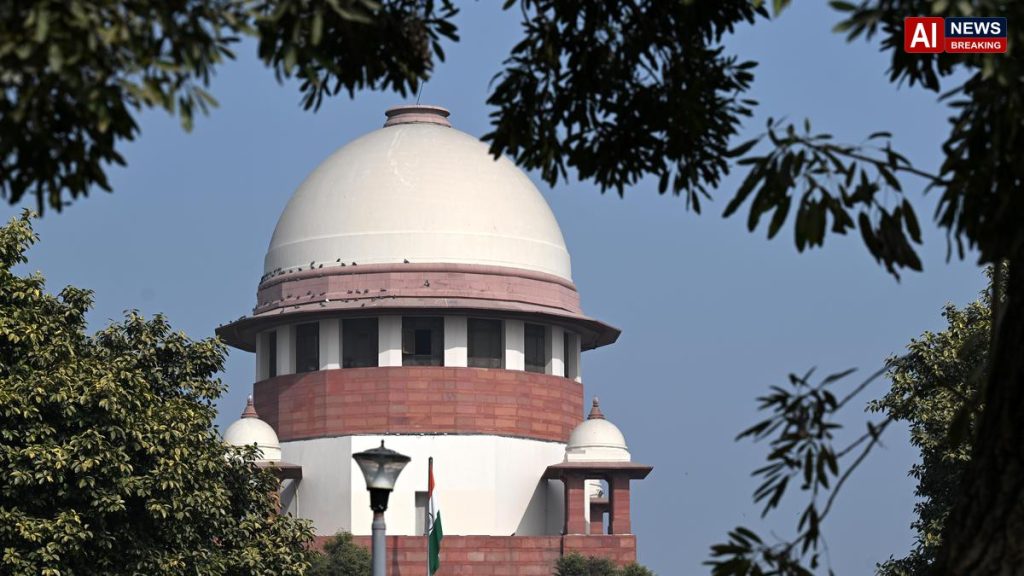
Supreme Court Seeks Centre's Response on Plea to Ban Polygamy Among Muslims, Rekindling Debate on Personal Laws and Gender Equality - AI News Breaking
supreme court seeks centres:
The Supreme Court has sought the Central government’s response to a Public Interest Litigation (PIL) seeking to declare the practice of polygamy among Muslims unconstitutional. The petition also seeks stronger legal protections for Muslim women, including safeguards related to maintenance, matrimonial homes and marriage registration.
Supreme Court Begins Hearing on Fresh Challenge to Muslim Polygamy
The Supreme Court of India has sought the Centre’s response to a fresh Public Interest Litigation (PIL) that challenges the constitutional validity of polygamy among Muslims. The case, which also raises issues concerning the legal protection of Muslim women, marks another significant development in the judiciary’s ongoing examination of matters relating to Muslim personal law.
The petition asks the apex court to examine whether the continued legal recognition of polygamy under Muslim personal law is consistent with the guarantees of equality, dignity and personal liberty under the Indian Constitution.
Alongside the question of polygamy, the plea seeks safeguards for women whose husbands contract another marriage during the subsistence of the first marriage, including protection relating to maintenance, residence rights and mandatory registration of Muslim marriages and divorces.
What the Petition Seeks
According to the petition, the Court has been requested to consider several issues affecting Muslim women.
Among the principal prayers are:
- Declaring the practice of polygamy among Muslims unconstitutional.
- Ensuring legal protection for women affected by subsequent marriages of their husbands.
- Strengthening rights relating to maintenance and residence.
- Making registration of Muslim marriages and divorces mandatory.
- Examining whether certain provisions of Muslim personal law are compatible with constitutional guarantees of equality and dignity.
The petition argues that these reforms are necessary to provide Muslim women protections comparable to those available under other personal laws in India.
Supreme Court Issues Notice to the Centre
Without expressing any opinion on the merits of the case, the Supreme Court has issued notice to the Union Government and sought its response.
Seeking the Centre’s reply is a procedural step in constitutional litigation and does not indicate the Court’s final view on the issues raised. The government’s response, along with submissions from other stakeholders, will help shape the Court’s further consideration of the matter.
Connection with Other Pending Matters
The latest petition comes while the Supreme Court is already hearing matters relating to talaq-e-hasan, another issue concerning Muslim personal law. The Court’s decision to hear the new plea indicates that questions relating to gender justice and personal laws continue to receive judicial attention.
The issue of Muslim personal law has been before the Supreme Court on several occasions over the past decade, including litigation concerning triple talaq, nikah halala and other practices. Earlier cases have also involved petitions challenging the constitutional validity of polygamy.
Understanding Polygamy Under Muslim Personal Law
Under traditional interpretations of Muslim personal law followed in India, a Muslim man may marry more than one wife subject to religious principles. The practice differs from the legal position governing most other communities in India, where bigamy is generally prohibited under applicable personal laws.
The current petition contends that this differential treatment raises constitutional questions concerning equality before law and equal protection of laws.
Supporters of legal reform argue that constitutional guarantees should apply uniformly regardless of religion, particularly in matters affecting women’s rights.
Others maintain that questions involving religious personal laws require careful balancing of constitutional values with the freedom of religion guaranteed under Article 25 of the Constitution.
Constitutional Questions Before the Court
Although the case is at an early stage, it raises several constitutional issues, including:
- Whether personal laws can be tested against fundamental rights.
- The relationship between religious freedom and gender equality.
- The extent of judicial review over religious practices.
- Protection of dignity and equality for women.
- The role of Parliament in reforming personal laws.
Legal experts note that these questions involve complex constitutional principles and are likely to receive detailed examination before any final ruling is delivered.
Wider Debate on Personal Law Reform
The case has revived discussions surrounding reform of personal laws in India.
Over the years, different governments, legal scholars and civil society organisations have debated issues including:
- Uniform standards in marriage laws.
- Women’s inheritance rights.
- Divorce procedures.
- Maintenance obligations.
- Registration of marriages.
- Uniform Civil Code.
Supporters of reform argue that all citizens should enjoy equal legal protections irrespective of religious identity.
Others emphasize that reforms involving personal laws should emerge through consultation with affected communities while respecting constitutional protections for religious freedom.
What Happens Next?
Following the issuance of notice, the Centre is expected to file its response before the Supreme Court.
Subsequent hearings may include submissions from:
- The Union Government.
- Petitioners.
- Women’s rights organisations.
- Religious bodies.
- Legal experts.
The Court will then determine the constitutional issues involved after hearing all parties.
Given the importance of the questions raised, legal observers expect the proceedings to attract significant public and constitutional interest.
Why This Case Matters
The latest proceedings are significant because they sit at the intersection of several important constitutional principles:
- Equality before law.
- Gender justice.
- Religious freedom.
- Protection of fundamental rights.
- Judicial review of personal laws.
Whatever the eventual outcome, the case is expected to contribute to the continuing national conversation about the relationship between constitutional rights and personal law in India.
As with all pending matters before the judiciary, no conclusions have yet been reached, and the Supreme Court’s final decision will come only after hearing all stakeholders.
Insight : The Supreme Court’s decision to seek the Centre’s response marks the beginning—not the conclusion—of judicial scrutiny on this issue. The case highlights the continuing constitutional challenge of balancing fundamental rights such as equality and dignity with protections for religious freedom. Whatever the Court ultimately decides, the proceedings are likely to shape future discussions on personal law reform, women’s legal protections and the evolving interpretation of constitutional principles in India.