Europe warns of Russia’s hybrid attacks but struggles to counter them
  Former chief election commissioner calls SIR scheme illegal.
  A Corruption Scandal Is Reshaping Brazil’s Presidential Election
  US citizen injured in Illinois after ICE agents mistook him for fugitive, tried to arrest him
  At 10 years old, Smithsonian’s Black museum is undaunted amid pressure from Trump administration
 Menstrual Leave Policy: Supreme Court Weighs In On Balancing Women’s Health And Career Advancement
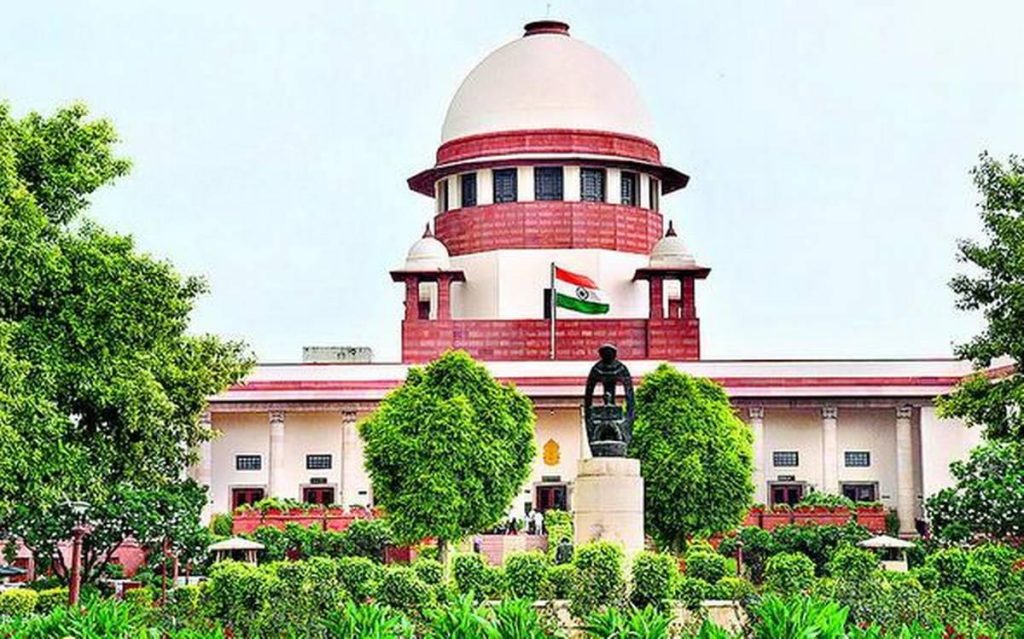
menstrual leave policy supreme:
The Supreme Court of India has recently addressed the topic of menstrual leave, expressing its opinion on the potential impact of mandatory period leaves on women’s careers. While acknowledging the importance of supporting women’s health and well-being, the court cautioned that making menstrual leaves compulsory could have unintended consequences, ultimately hindering women’s professional advancement.
In a nuanced approach, the Supreme Court suggested that it would be highly beneficial if private companies were to voluntarily offer period leaves, allowing women to take time off when needed without fear of repercussions. This, the court believes, would demonstrate a commitment to supporting women’s health and creating a more inclusive work environment. However, the court stopped short of advocating for mandatory menstrual leaves, citing concerns that such a policy could inadvertently harm women’s career prospects.
The Supreme Court’s stance on this issue highlights the delicate balance between promoting women’s health and ensuring their equal participation in the workforce. On one hand, providing menstrual leaves can help alleviate the physical and emotional discomfort associated with menstruation, enabling women to manage their health and well-being more effectively. On the other hand, making such leaves compulsory could lead to unintended consequences, such as reinforcing stereotypes and perpetuating gender biases in the workplace.
By suggesting that private companies adopt voluntary period leave policies, the Supreme Court is encouraging a more proactive and supportive approach to women’s health. This approach would allow women to take ownership of their health and well-being, while also enabling employers to demonstrate their commitment to creating a more inclusive and supportive work environment. Furthermore, voluntary period leave policies would enable companies to tailor their approaches to the specific needs of their employees, fostering a more positive and productive work culture.
The Supreme Court’s decision has sparked a broader conversation about the need to support women’s health and well-being in the workplace. As the conversation around menstrual leaves and women’s health continues to evolve, it is essential to consider the complex interplay between promoting women’s health, ensuring equal opportunities, and fostering a supportive work environment. By adopting a nuanced and multifaceted approach, employers, policymakers, and individuals can work together to create a more inclusive and equitable society, where women can thrive and reach their full potential.
Ultimately, the Supreme Court’s stance on menstrual leaves serves as a reminder that supporting women’s health and well-being is a critical aspect of promoting gender equality and advancing women’s careers. By encouraging private companies to adopt voluntary period leave policies and promoting a culture of inclusivity and support, we can work towards creating a more equitable society, where women are empowered to succeed and reach their full potential. As the conversation around menstrual leaves and women’s health continues to unfold, it is essential to prioritize a nuanced and balanced approach, one that promotes women’s health and well-being while also ensuring their equal participation in the workforce.