A Corruption Scandal Is Reshaping Brazil’s Presidential Election
  US citizen injured in Illinois after ICE agents mistook him for fugitive, tried to arrest him
  At 10 years old, Smithsonian’s Black museum is undaunted amid pressure from Trump administration
  Beleaguered at Home, a Bellicose Netanyahu Heads to the U.N.
  Family to release cellphone report in Nolan Wells case
 Australia Releases Strategic Fuel Reserves for First Time Since 2022 as Iran War Triggers Global Oil Supply Shock
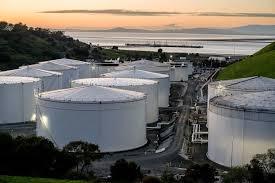
Australia has begun releasing petrol and diesel from its strategic fuel reserves for the first time since 2022, as global energy markets face severe disruption due to the escalating conflict in the Middle East. The move, announced by Energy Minister Chris Bowen, is designed to stabilize domestic fuel supply and reduce pressure on businesses and households amid surging oil prices and supply chain disruptions.
The decision comes at a time when attacks on shipping routes and oil infrastructure linked to the ongoing Iran war have triggered one of the largest shocks to global oil supply in decades. Governments around the world are now scrambling to release emergency reserves to prevent shortages and curb rising fuel costs.
Why Australia Is Releasing Fuel From Strategic Reserves
The Australian government said it will release up to 762 million litres of petrol and diesel from its strategic reserves. This will be done by temporarily reducing the country’s minimum fuel stockholding requirement by about 20%, allowing distributors to draw down some of the fuel they are normally required to keep in reserve.
The measure is intended to:
- Prevent fuel shortages in regional areas
- Stabilize supply chains affected by global disruptions
- Reduce panic buying and price spikes
Authorities say the release is a temporary stabilization measure designed to keep fuel flowing through Australia’s supply network while international shipping routes remain under strain.
Middle East Conflict Driving the Global Energy Crisis
The latest energy crisis has been triggered by escalating hostilities involving Iran, which have disrupted tanker traffic and energy infrastructure across the Middle East. The Strait of Hormuz, one of the world’s most critical oil transit routes, has become a focal point of tension.
Roughly one-fifth of global oil consumption normally passes through the Strait of Hormuz, making any disruption there a major threat to global energy supply.
The crisis has already caused:
- Sharp increases in oil prices
- Attacks on shipping routes
- Supply shortages in several countries
In response, the International Energy Agency (IEA) has coordinated a historic release of 400 million barrels of oil from strategic reserves worldwide, the largest emergency action in its history.
Australia’s move to release fuel reserves is part of this broader international effort to stabilize energy markets.
Fuel Prices Surging Across Australia
The impact of the global energy crisis is already being felt by Australian consumers. Petrol prices have surged significantly in recent weeks, with some cities experiencing increases of nearly 50 cents per litre since late February.
Demand for fuel has also surged, in some cases doubling as businesses and households attempt to secure supplies amid fears of shortages.
Regional communities have been particularly affected, with some areas reporting:
- Limited fuel availability
- Higher transport costs
- Increased pressure on agriculture and logistics sectors
The government says the release of reserve fuel will help ease these pressures, particularly for farmers, fishers, and other regional industries that depend heavily on diesel.
Australia’s Limited Fuel Stockpile
Despite the emergency release, Australia’s overall fuel reserves remain relatively modest compared with international standards.
As of early March, the country held roughly:
- 36 days of petrol supply
- 34 days of diesel supply
- 32 days of jet fuel supply
However, members of the International Energy Agency are typically required to maintain at least 90 days of oil reserves to prepare for major supply disruptions.
Australia has struggled to meet this benchmark for more than a decade due to its heavy reliance on imported refined fuel.
Heavy Dependence on Imported Fuel
One of the biggest vulnerabilities exposed by the current crisis is Australia’s reliance on overseas energy supplies.
About 90% of the country’s petrol and diesel is imported, much of it from refineries in Asia and the Middle East.
This dependence means that disruptions to global shipping routes—especially those linked to geopolitical conflicts—can quickly translate into supply shortages at home.
Industry analysts say the situation highlights the need for:
- Greater domestic refining capacity
- Larger strategic fuel reserves
- Faster adoption of alternative energy sources
Temporary Relaxation of Fuel Standards
In addition to tapping strategic reserves, the government has also introduced other emergency measures to increase fuel supply.
One key step is temporarily easing fuel quality standards for 60 days, allowing higher-sulfur petrol imports that were previously restricted.
The move could enable an additional 100 million litres of fuel per month to enter the Australian market, providing short-term relief during the crisis.
Officials say the measure is designed to ensure that fuel continues reaching regions facing shortages while global supply chains stabilize.
Part of a Global Emergency Response
Australia is not alone in tapping strategic reserves.
Several countries, including Japan, have also announced plans to release fuel from emergency stockpiles to stabilize global markets.
The coordinated release is intended to:
- Increase supply in the global oil market
- Prevent extreme price spikes
- Support economic stability during the conflict
The International Energy Agency said the move demonstrates the importance of collective action when major energy disruptions occur.
Concerns Over Long-Term Energy Security
While the reserve release may help ease short-term shortages, experts warn that the underlying challenges facing Australia’s energy security remain unresolved.
Key concerns include:
- Limited domestic refining capacity
- Heavy reliance on imported fuel
- Inadequate strategic reserves
If the Middle East conflict continues for an extended period, analysts say Australia could face more severe supply disruptions and rising inflation linked to higher fuel costs.
Industry groups have also warned that prolonged energy instability could impact:
- Transportation costs
- Food prices
- Manufacturing and logistics sectors
Government Reassures Public
Despite these challenges, Australian officials insist the country is “nowhere near running out of fuel.”
Energy Minister Chris Bowen emphasized that fuel shipments are still arriving at Australian ports and that the reserve release is a precautionary measure to ensure steady supply.
Authorities also said that distributing the additional fuel through the national supply chain will take time, meaning the full impact of the policy may not be immediately visible at petrol stations.
A Warning for Future Energy Planning
The current crisis has renewed debate about how Australia should manage its energy security in an increasingly volatile geopolitical environment.
Experts argue that the situation demonstrates the need for:
- Stronger fuel security policies
- Greater energy diversification
- Faster transition to electric vehicles and renewable energy
With global tensions continuing to disrupt energy markets, governments worldwide are now re-examining how best to protect their economies from future fuel shocks.