 Important to preserve independence, transparency of Election Commission: Keralam CM Satheesan
  Families Urge Trump to Press Xi to Free Americans Detained in China
  After Jamui, another minor girl molested in Bihar’s Samastipur
  Australia Investigates OpenAI Hack on Public Health Care Site
  Tech leaders to UN: For the sake of humanity, please control the AI technology we created
 China Condemns Iran School Strike, Says Attack “Breaches Bottom Line of Human Morality”
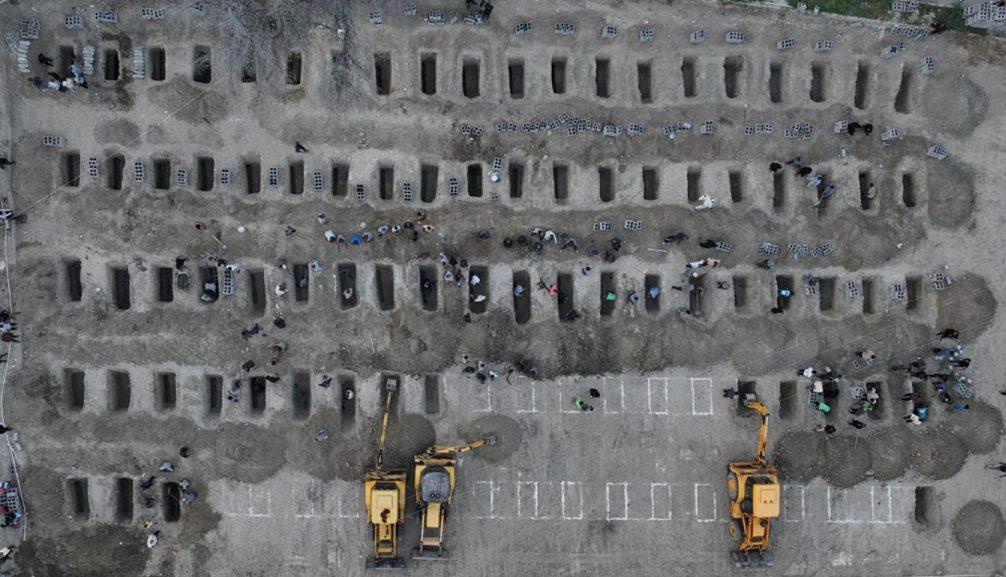
China has strongly condemned the deadly missile strike on a girls’ school in southern Iran, calling the attack a serious violation of international humanitarian law and saying it “breaches the bottom line of human conscience and morality.” The statement from Beijing comes amid growing global outrage over the strike that killed scores of schoolchildren during the escalating conflict involving Iran, the United States, and Israel.
The attack on the Shajareh Tayyebeh girls’ school in the Iranian city of Minab has become one of the most controversial incidents of the war, raising urgent questions about targeting errors, civilian safety, and accountability in modern warfare.
China’s Strong Reaction to the School Strike
Speaking at a regular briefing in Beijing, Chinese Foreign Ministry spokesperson Guo Jiakun condemned attacks on schools and children in strong terms.
According to the Chinese government, such strikes represent a “severe violation” of international humanitarian law and cross the moral limits that should govern warfare.
“Attacks on schools and children constitute a serious violation of international humanitarian law and breach the bottom line of human conscience and morality,” the spokesperson said.
China also announced humanitarian assistance for the victims of the tragedy. The Red Cross Society of China said it would provide $200,000 in emergency aid to help families of the students killed in the attack. The funds will be delivered through the Iranian Red Crescent Society, specifically for condolences and compensation to the victims’ parents.
Beijing’s response reflects growing international concern over civilian casualties in the escalating Middle East conflict.
What Happened in the Minab School Strike
The devastating strike occurred on February 28, when a missile hit the Shajareh Tayyebeh girls’ school in Minab, a city in Iran’s southern Hormozgan province near the strategic Strait of Hormuz.
At the time of the explosion, the school was filled with students aged seven to twelve years old, attending morning classes. The blast caused the two-storey building to collapse, trapping children and teachers under the rubble.
Iranian authorities say more than 150 people were killed, most of them young girls. The attack quickly became one of the deadliest civilian incidents since the war began.
Footage from the scene showed destroyed classrooms, shattered desks, and grieving families gathering at mass funeral ceremonies for the victims.
The tragedy triggered widespread outrage across Iran and sparked international condemnation.
Investigations Point to Possible Targeting Error
While Iran initially blamed the United States and Israel for the strike, both countries denied deliberately targeting the school.
However, a preliminary investigation by U.S. military officials reportedly found that the school was likely hit by mistake during a strike on a nearby Iranian military facility. According to officials familiar with the probe, the targeting coordinates were generated using outdated intelligence data, which mistakenly identified the site as part of a military base.
The missile strike was believed to be aimed at an Islamic Revolutionary Guard Corps (IRGC) installation located near the school.
Investigators are examining whether the error resulted from human mistakes in intelligence analysis or flaws in the targeting process.
The Pentagon has said it is conducting a full review to determine how the error occurred and whether new safeguards are needed to prevent similar incidents.
UN and International Community Demand Accountability
The United Nations and several human rights organizations have also expressed alarm over the attack.
UN officials have stressed that schools are protected civilian infrastructure under international law and must never be targeted during armed conflicts.
The UN Human Rights Office has called for a prompt, transparent, and impartial investigation into the strike, emphasizing that accountability and compensation for victims are essential.
A UN fact-finding mission warned that the escalating war is increasingly endangering civilians in Iran and across the region. The panel said attacks on civilian infrastructure such as schools and hospitals could amount to violations of the UN Charter and international humanitarian law.
Human rights advocates argue that the tragedy highlights the devastating impact modern warfare can have on civilians, particularly children.
Rising Global Tensions Over the Iran Conflict
The school strike has intensified geopolitical tensions as the broader conflict between Iran and its adversaries continues to escalate.
Recent weeks have seen:
- Large-scale airstrikes across Iran
- Missile and drone attacks targeting shipping routes
- Rising global oil prices due to instability in the Persian Gulf
The humanitarian impact of the war is also growing rapidly.
According to recent reports, more than 1,300 people have been killed in Iran, while millions have been displaced across the region since the conflict began.
The Minab school tragedy has become a powerful symbol of the human cost of the war, fueling diplomatic tensions and calls for restraint.
China’s Strategic Position
China’s condemnation of the strike reflects its broader diplomatic stance on the conflict.
Beijing has consistently called for:
- Respect for international law
- Protection of civilians
- A diplomatic solution to the crisis
China has also positioned itself as a humanitarian supporter in the region by offering aid and urging negotiations.
Analysts say Beijing’s response may also be aimed at strengthening its influence in the Middle East while criticizing Western military operations.
The Human Cost of War
Beyond the geopolitical implications, the tragedy in Minab highlights the devastating impact of modern warfare on civilians.
The victims were mostly young students attending a routine school day when the missile struck.
Images of small coffins and grieving parents have spread across social media, prompting emotional reactions around the world.
For many observers, the incident serves as a grim reminder that even precision warfare can lead to catastrophic mistakes when intelligence or targeting systems fail.