
 Plaintiffs in Trump arch project seek injunction to stop administration from beginning work Nov. 5
  Trump says he ‘heard something about’ Justice Department probe into longtime ally Corey Lewandowski
  Trump administration stopped sharing evidence in Good and Pretti killings, Minnesota officials say
  Tamil Nadu CM orders Chennai flood‑prevention review.
  India and Bangladesh work
 Strait of Hormuz Traffic Hits New Low as Houthi Attack Kills Six in Red Sea Amid Iran War
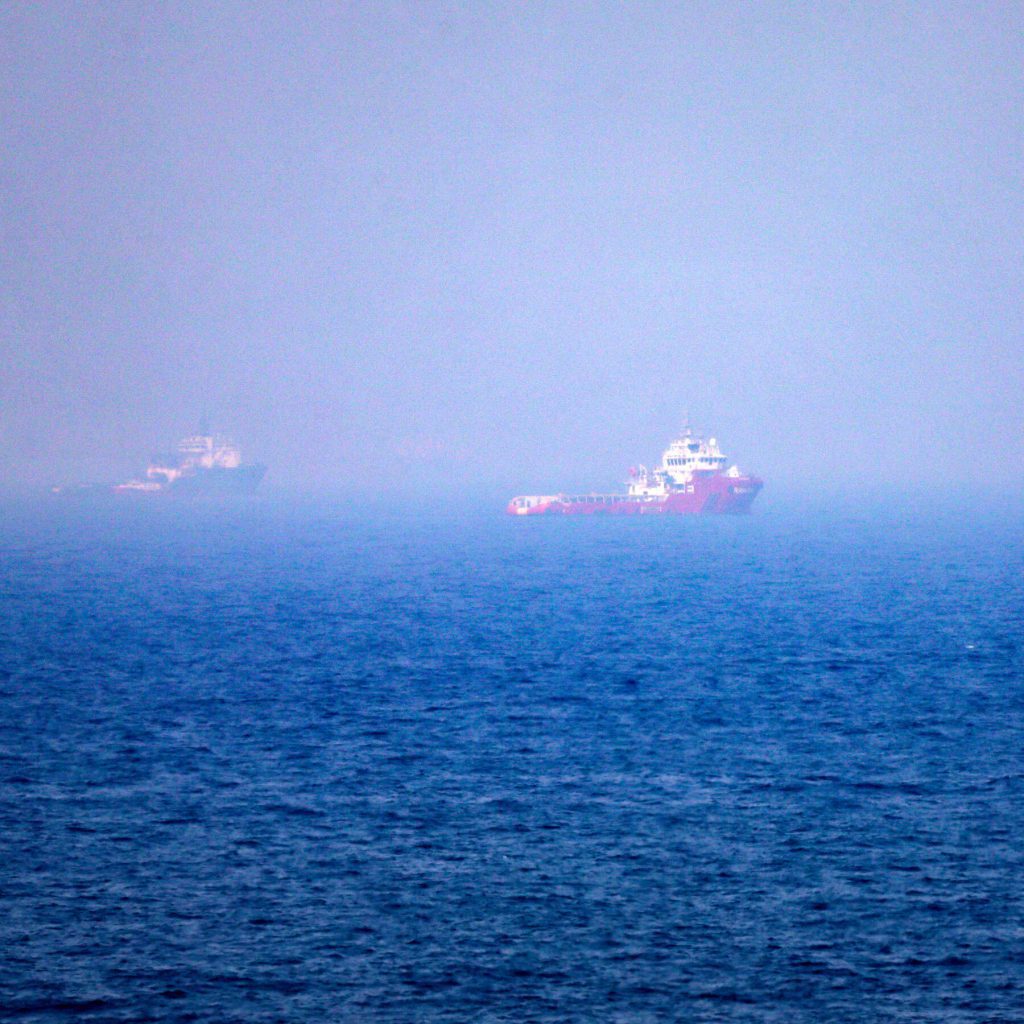
Iran-backed group kills 6 in Red Sea attack - AI News Breaking
strait hormuz traffic hits:
Strait of Hormuz traffic falls to new low as Iran-backed group kills 6 in Red Sea The Strait of Hormuz is facing one of its sharpest declines in commercial traffic since the conflict began. According to data reported by Reuters and supplied by shipping analytics firm Kpler, only eight vessels were tracked transiting the waterway on Tuesday. That was the lowest daily figure since August 5 and well below the recent 10-day average of approximately 12 vessels a day..
The scale of the decline becomes clearer when compared with conditions before the war. Around 130 ships passed through the Strait of Hormuz each day before the conflict began on February 28. This dramatic reduction in vessel movements is likely to have far-reaching consequences for the global market, as it affects energy imports to many countries.
Why the Strait of Hormuz Matters to the Global Economy
The Strait of Hormuz connects the Persian Gulf with the Gulf of Oman and the Arabian Sea.
It is a critical route for oil and other energy exports from major Gulf producers. The International Energy Agency estimates that roughly one-fifth of global oil supplies normally pass through the waterway.
The continuing disruption has therefore created a major challenge for global energy markets.
The IEA said Wednesday that the closure of the Strait and elevated fuel prices are continuing to weigh on oil consumption. The agency has sharply reduced its forecast for global oil-demand growth this year, now expecting demand to fall by 1.6 million barrels per day compared with its previous forecast of a 1 million-barrel-per-day decline.
The agency also said global oil supplies increased by 2.4 million barrels per day in July to 101.5 million barrels per day. However, that figure remained 6.3 million barrels per day below the level recorded a year earlier.
The disruption has therefore created a difficult combination of restricted transportation, reduced supply and elevated prices.
The waterway is one of the world’s most important maritime chokepoints. Its disruption therefore has consequences that extend beyond the Gulf region to affect global energy markets, shipping companies, fuel prices, and countries that depend on imported oil and gas. The current situation raises concerns about global trade and economic security..
Analysts say that the drop in traffic at the Strait of Hormuz is linked to recent heightened tensions in the region following a series of attacks by Iran-backed group. The incidents include a drone bombing of an Israeli-owned ship in the Red Sea. At least six people are believed to have been killed in the attack..
This event is said to be linked to increased aggression in the region and highlights the fragility of the waterway. The US, along with other major world powers, has expressed concern over Iran’s aggressive actions in the region. Diplomatic efforts between key nations are underway in a bid to de-escalate the situation..
However, the efforts are yet to yield results, and the situation in the region remains tense. The decline in Strait of Hormuz traffic is a direct result of the current security environment, and the situation may continue to deteriorate unless tensions are reduced. This raises concerns about global supply chains and their resilience to disruptions..
Shipping companies and nations dependent on the waterway have begun to diversify their supply routes and seek alternatives. This may provide some relief in the short term, but experts warn that this would not solve the deeper underlying issues that drive the region’s tension. In the longer term, it is necessary that nations engage in constructive dialogue aimed at resolving their differences peacefully..
This is crucial in avoiding further destabilization of the region and the world economy. Diplomats are urging all parties to exercise restraint and work towards a common goal. The impact of the decline in traffic at the Strait of Hormuz is already evident..
Energy markets are experiencing heightened volatility, with fuel prices rising in response to supply chain disruptions. The economic implications of this are significant and may take a long time to recover from. Shipping companies and traders are facing significant difficulties following the decline in traffic at the Strait of Hormuz.
Oil Markets Remain Under Pressure
The continuing uncertainty around the Strait has kept global energy markets volatile.
Oil infrastructure in several Gulf countries has been damaged during the conflict, while alternative routes have struggled to compensate fully for the disruption.
The IEA said renewed hostilities and maritime disruptions during July and early August had undermined efforts to restore supply.
The agency now expects global oil supply to decline by an average of 4.3 million barrels per day during 2026 before recovering next year.
At the same time, the IEA expects oil demand to return to growth in the fourth quarter.
The competing forces of supply disruption and weaker consumption could make the energy market particularly unpredictable in the months ahead.
For consumers, prolonged disruption could translate into higher fuel and transportation costs.
For governments, it creates additional pressure to secure alternative energy supplies and protect strategic reserves.
Delays in oil and gas shipments are likely to result in financial losses for these companies. Governments and international organizations are urged to intervene in a bid to mitigate these losses. Experts warn that the current situation is a warning sign of the potential risks faced by global supply chains..
As trade continues to grow and become more complex, the consequences of disruptions to vital waterways like the Strait of Hormuz will become more severe. In conclusion, the sharp decline in traffic at the Strait of Hormuz is a pressing issue. Efforts to resolve the tensions in the region are crucial in preventing further disruptions to global supply chains..
It is essential for nations to engage in constructive dialogue in search of lasting solutions. The Strait of Hormuz has become a test of the resilience of global supply chains in the face of increased tensions. It is critical that nations engage in responsible behavior and that international efforts are made to protect these vital trade routes..
Failure to address the current situation will have far-reaching consequences for global trade and economic security. The future trajectory of the situation will determine the long-term impact of the current crisis on global markets..
Commercial traffic through the Strait of Hormuz has hit a new low, with only eight vessels passing through the waterway on Tuesday, compared to 130 daily pre-conflict. The decline is linked to heightened tensions in the region following a drone bombing that killed six people and has sparked diplomatic efforts to de-escalate the situation.
The ripple effects of the declining Strait of Hormuz traffic will be felt far beyond the energy sector, as global supply chains begin to buckle under the pressure of increased volatility and uncertainty. As nations scramble to adapt, the true challenge lies in finding a sustainable solution that balances regional security concerns with the need for uninterrupted global trade.