Europe warns of Russia’s hybrid attacks but struggles to counter them
  Former chief election commissioner calls SIR scheme illegal.
  A Corruption Scandal Is Reshaping Brazil’s Presidential Election
  US citizen injured in Illinois after ICE agents mistook him for fugitive, tried to arrest him
  At 10 years old, Smithsonian’s Black museum is undaunted amid pressure from Trump administration
 US Strikes Iran’s Kharg Island: Trump Says Military Targets Destroyed at Tehran’s Key Oil Export Hub Amid Escalating Gulf War
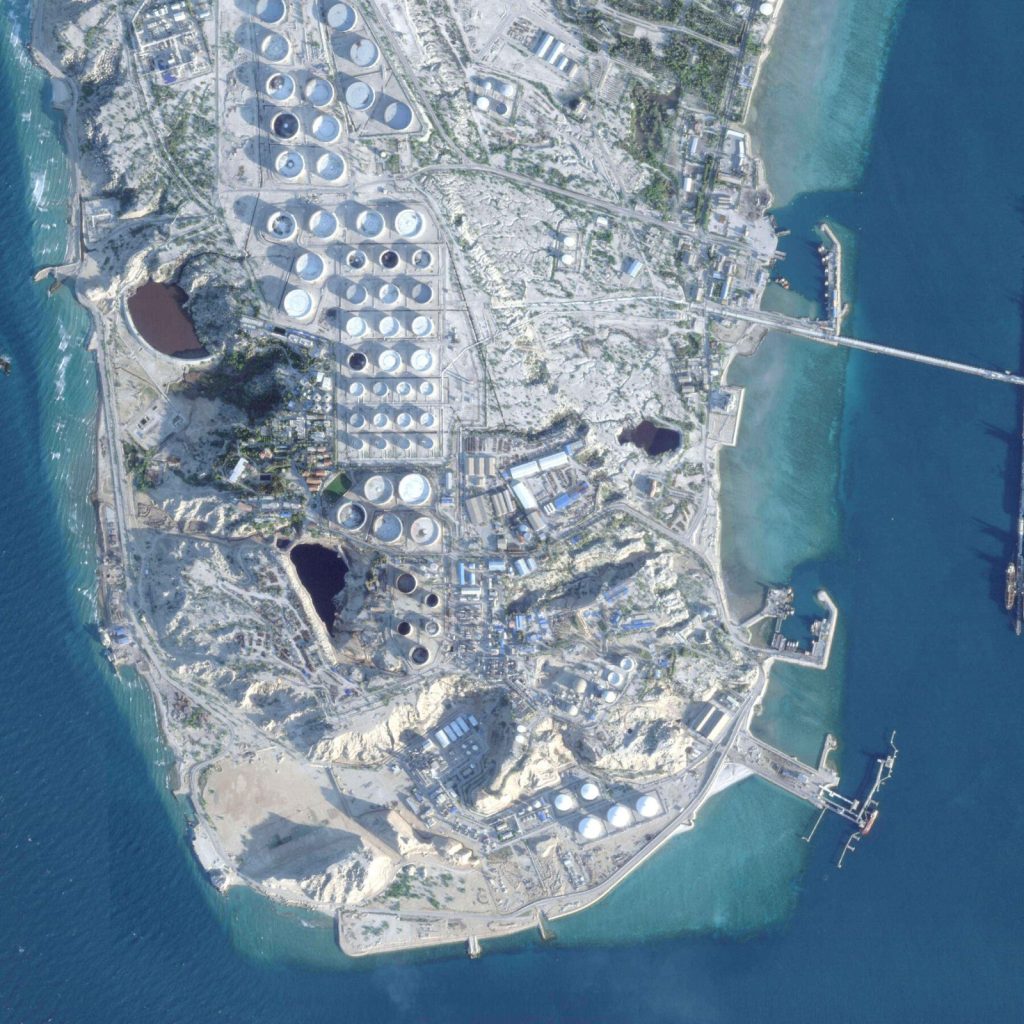
strikes irans kharg island:
In a dramatic escalation of the ongoing conflict in the Middle East, the United States has carried out a major military strike on Iran’s Kharg Island, the country’s most critical oil export terminal. U.S. President Donald Trump announced that American forces had “obliterated” military targets on the island but deliberately avoided destroying its oil infrastructure—for now. The operation marks one of the most significant attacks on Iran’s energy and military infrastructure since the war between Iran, the United States, and Israel erupted in late February 2026.
The strike on Kharg Island has raised fears of a wider regional conflict, potential disruptions to global energy supplies, and a surge in oil prices. Analysts say the attack directly targets the heart of Iran’s oil economy and could have far-reaching consequences for international markets and geopolitical stability.
What Happened: U.S. Bombing Raid on Kharg Island
According to President Trump, the U.S. military conducted a powerful bombing operation targeting Iranian military installations on Kharg Island. The strikes were reportedly carried out by U.S. Central Command and aimed at disabling defense systems, missile positions, and other military facilities stationed on the island.
Trump wrote on social media that American forces had executed “one of the most powerful bombing raids in the history of the Middle East.” He claimed the operation successfully destroyed every military target on the island.
However, the U.S. president emphasized that the country intentionally refrained from hitting the island’s oil infrastructure despite its strategic importance.
Trump stated that the oil facilities were spared “for reasons of decency,” but warned that they could become targets if Iran interferes with shipping through the Strait of Hormuz.
This warning signals that Washington may be willing to escalate further if Tehran continues its threats to global maritime traffic.
Why Kharg Island Is So Important
Kharg Island is widely considered the lifeline of Iran’s oil exports. Located in the Persian Gulf off the coast of Iran’s Bushehr province, the island serves as the primary terminal through which the majority of Iranian crude oil is shipped to international markets.
Several factors make Kharg Island strategically crucial:
1. Handles Most of Iran’s Oil Exports
The island processes around 90% of Iran’s crude oil exports, making it the backbone of the country’s energy industry.
2. Massive Oil Storage and Loading Infrastructure
Kharg Island has enormous storage tanks and specialized terminals capable of loading multiple supertankers simultaneously. This infrastructure allows Iran to export millions of barrels of oil daily.
3. Key Source of Government Revenue
Oil exports fund a large portion of Iran’s government budget. Disrupting operations at Kharg Island would therefore severely damage Iran’s economy and its ability to finance military activities.
4. Strategic Location Near the Strait of Hormuz
The island lies close to the Strait of Hormuz, one of the world’s most important energy shipping routes.
The Strait of Hormuz Crisis
The attack on Kharg Island comes amid an already volatile standoff in the Strait of Hormuz, a narrow waterway through which nearly 20% of the world’s oil supply passes each day.
Since the conflict began in February 2026, Iran has threatened to block the strait in retaliation for U.S. and Israeli strikes on its military infrastructure. These threats have already disrupted maritime traffic and triggered panic in global energy markets.
Shipping companies have suspended operations, and hundreds of vessels have avoided the route due to security risks.
The United States has warned that any attempt by Iran to block the strait would provoke a strong military response.
Trump’s warning about targeting Kharg Island’s oil facilities directly ties the island’s fate to the safety of maritime shipping in the region.
Iran’s Reaction
Iranian officials have reacted angrily to the U.S. strike and warned that targeting energy infrastructure would cross a major red line.
Tehran said that if the United States attacks oil facilities on Kharg Island, Iran could retaliate by striking energy infrastructure across the Middle East, including oil fields and pipelines in allied countries.
Iran’s military leadership has also signaled that the country could escalate attacks on:
- U.S. military bases in the region
- Oil infrastructure in Gulf states
- Commercial shipping in the Persian Gulf
Such retaliation could significantly widen the conflict and threaten the stability of global energy markets.
Part of a Wider War
The bombing of Kharg Island is part of a broader military confrontation between Iran and a coalition led by the United States and Israel.
The war began on February 28, 2026, following a series of escalating military strikes and retaliatory attacks across the region.
Since then:
- U.S. and Israeli forces have launched strikes on Iranian military targets.
- Iran has fired missiles and drones at regional bases and shipping.
- Proxy groups allied with Iran have attacked American and Israeli interests.
The conflict has already caused significant casualties and widespread destruction.
U.S. Military Build-Up in the Middle East
The strike on Kharg Island coincides with a major deployment of American forces to the Middle East.
Reports indicate that the United States has sent thousands of Marines and additional naval assets to the region to strengthen its military presence.
Among the assets deployed are:
- Amphibious assault ships
- Carrier strike groups
- Long-range bombers
- Marine expeditionary units
The Pentagon says these deployments are meant to protect shipping lanes and deter further Iranian attacks.
Potential Impact on Global Oil Markets
Energy analysts warn that the attack on Kharg Island could have dramatic consequences for global oil prices.
Even though the island’s oil infrastructure was not destroyed, the strike has heightened fears that future attacks could disrupt Iranian exports.
If Kharg Island were to be disabled, Iran’s ability to sell oil internationally would collapse almost overnight.
This could trigger a major shock to the global oil market.
Experts say oil prices could surge to $150 per barrel or higher if energy infrastructure in the Persian Gulf becomes a battlefield.
Such a spike would likely cause:
- Rising fuel prices worldwide
- Increased inflation
- Economic pressure on importing countries
Countries like India, China, and many European nations could be particularly affected due to their dependence on imported oil.
Historical Importance of Kharg Island
Kharg Island has long played a central role in Iran’s energy industry.
The island was developed as a major oil terminal during the 1960s and eventually became one of the largest offshore crude export facilities in the world.
During the Iran-Iraq War in the 1980s, Kharg Island was repeatedly bombed by Iraqi forces, severely damaging its facilities. However, Iran rebuilt the infrastructure and restored exports in the years that followed.
Since then, the island has remained heavily fortified and guarded by the Islamic Revolutionary Guard Corps (IRGC).
Could the U.S. Target the Oil Infrastructure Next?
Although the U.S. avoided hitting the oil terminals in this strike, analysts believe that could change if the conflict escalates.
Trump’s warning indicates that oil facilities may become targets if Iran continues to threaten maritime shipping.
Destroying Kharg Island’s oil infrastructure would be one of the most devastating blows to Iran’s economy.
However, it could also cause major disruptions to global energy markets.
For that reason, previous U.S. administrations have avoided directly targeting the island’s oil facilities.
Risk of Regional Escalation
The strike has raised fears that the war could expand beyond Iran.
Potential flashpoints include:
Gulf States
Iran could retaliate by targeting oil infrastructure in Saudi Arabia, the United Arab Emirates, or other Gulf nations.
Israel
Iran has already launched missile and drone attacks toward Israeli territory.
Maritime Warfare
Commercial vessels in the Persian Gulf and Red Sea remain at high risk of attacks.
Proxy Conflicts
Iran-aligned militias across the Middle East could escalate attacks on U.S. forces and allies.
Impact on Global Economy
Beyond energy markets, the war could have broader economic consequences.
Higher oil prices would likely increase costs for transportation, manufacturing, and agriculture worldwide.
Financial markets have already reacted with volatility as investors assess the risks of a prolonged conflict.
Energy-importing countries could face rising inflation, while oil-exporting states might experience short-term revenue gains.
What Happens Next?
The coming days will be crucial in determining whether the conflict escalates further.
Several scenarios are possible:
- Limited escalation – Iran retaliates symbolically without widening the war.
- Energy war – oil infrastructure across the region becomes a target.
- Maritime conflict – shipping lanes in the Persian Gulf are heavily militarized.
- Regional war – multiple countries become directly involved.
Much will depend on Iran’s response to the attack and whether the United States follows through on its threat to strike energy infrastructure.