Europe warns of Russia’s hybrid attacks but struggles to counter them
  Former chief election commissioner calls SIR scheme illegal.
  A Corruption Scandal Is Reshaping Brazil’s Presidential Election
  US citizen injured in Illinois after ICE agents mistook him for fugitive, tried to arrest him
  At 10 years old, Smithsonian’s Black museum is undaunted amid pressure from Trump administration
 India Secures Safe Passage Through Strait of Hormuz: Two LPG Tankers Cross After PM Modi’s Diplomatic Outreach Amid Iran War
India has secured safe passage for two LPG tankers through the highly sensitive Strait of Hormuz, following intense diplomatic engagement between New Delhi and Tehran, ensuring the continuation of crucial energy supplies amid escalating military tensions in the Gulf region.
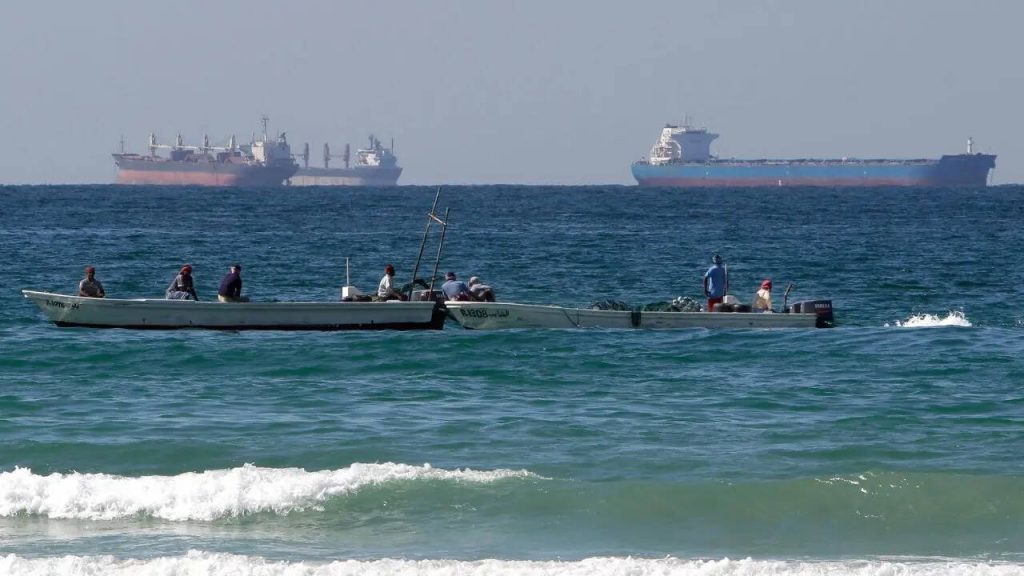
Two India-bound liquefied petroleum gas (LPG) tankers have successfully crossed the highly sensitive Strait of Hormuz, following intense diplomatic engagement between New Delhi and Tehran. The development comes at a time when the Gulf region is witnessing escalating military tensions due to the ongoing Iran-related conflict that has disrupted global energy shipping routes.
According to officials and reports, the passage of the vessels came after multiple rounds of phone calls and diplomatic outreach led by the Indian government, including communication at the highest political levels. The successful transit is seen as a major diplomatic breakthrough for India, ensuring the continuation of crucial energy supplies while hundreds of vessels remain stranded or diverted due to security concerns.
The two LPG tankers—Shivalik and Nanda Devi—are operated by India’s state-owned Shipping Corporation of India and are carrying significant quantities of gas needed for India’s domestic consumption. Their safe passage offers relief amid fears of supply disruptions triggered by the regional conflict.
The Strait of Hormuz: A Global Energy Lifeline
The Strait of Hormuz is one of the most strategically important waterways in the world. Located between Iran and Oman, the narrow passage connects the Persian Gulf with the Gulf of Oman and the Arabian Sea. Every day, massive volumes of crude oil, LNG, and LPG shipments move through this chokepoint.
Analysts estimate that around one-fifth of the world’s oil and gas shipments pass through the strait, making it essential for global energy security. Any disruption in this region has immediate consequences for oil prices, shipping routes, and geopolitical stability.
In recent weeks, tensions in the Middle East have led to heightened military activity in and around the strait. Drone attacks, missile strikes, and naval patrols have made the region extremely dangerous for commercial shipping.
As a result, shipping traffic dropped significantly, and many ship owners either delayed their journeys or waited for clearance from regional authorities before entering the waters.
How Diplomatic Outreach Cleared the Path
The safe passage of the Indian ships did not happen automatically. It followed four rounds of diplomatic conversations between India and Iran, conducted over the past several weeks.
Officials say discussions were held on February 28, March 5, March 10, and March 12, focusing on ensuring safe maritime transit for Indian vessels operating in the region. The talks involved senior officials and eventually escalated to the level of political leadership.
India’s leadership emphasized two key priorities:
- Safety of Indian sailors and merchant vessels
- Continuity of energy supplies critical to India’s economy
The diplomatic engagement appears to have worked. Iran reportedly granted permission for the two Indian LPG carriers to pass through the strait despite restrictions affecting vessels from several other countries.
This exemption underscores the complex diplomatic balance India maintains in West Asia, where it maintains relationships with Iran, Israel, and the United States simultaneously.
The Ships at the Center of the Operation
The two vessels involved in the transit are:
1. Shivalik
2. Nanda Devi
Both ships are LPG carriers operated by the Shipping Corporation of India, a state-run maritime company.
The tanker Shivalik alone is reportedly transporting around 40,000 metric tonnes of LPG, a crucial energy commodity widely used for cooking fuel in Indian households. The second vessel is carrying additional fuel supplies that will support India’s energy needs.
Given India’s massive population and heavy dependence on imported LPG, these shipments are strategically important.
Why India Was Concerned About LPG Supply
India is among the world’s largest importers of LPG. A significant portion of the country’s cooking gas consumption depends on imports from the Middle East.
Experts estimate that nearly 90% of India’s LPG imports originate from the Gulf region, meaning disruptions in shipping routes can quickly affect domestic energy supply.
With tensions rising in the Middle East, several vessels carrying LPG and crude oil to India were forced to wait near the Strait of Hormuz.
At one point:
- More than 20 India-linked vessels were reported stranded near the region
- Insurance premiums for ships traveling through the strait surged
- Shipping companies considered rerouting vessels
All these factors increased fears of a potential LPG shortage in India.
The successful transit of the two tankers therefore represents an important step toward stabilizing supply chains.
The Wider Hormuz Shipping Crisis
The current crisis in the Strait of Hormuz began after escalating military tensions involving Iran, the United States, and Israel.
Following airstrikes and regional confrontations, Iran reportedly warned that ships passing through the strait might not be safe without authorization. As a result, shipping activity dropped dramatically.
Some of the incidents reported in recent weeks include:
- Drone attacks on commercial vessels
- Missile strikes near shipping lanes
- Damage to oil tankers
- Casualties among international sailors
In one incident, an oil tanker north of Oman was hit by a projectile, killing two crew members and injuring others.
These events created panic in the global shipping industry and forced many companies to halt operations in the area temporarily.
India’s Maritime Security Response
India has been closely monitoring developments in the region through multiple agencies, including:
- Ministry of External Affairs
- Directorate General of Shipping
- Indian Navy
Officials said maritime security remains a top priority, especially considering the large number of Indian sailors working on international vessels.
India has previously launched operations to protect its shipping routes in volatile regions. One such mission is Operation Sankalp, a naval initiative designed to safeguard Indian-flagged ships in strategic waters including the Gulf and Arabian Sea.
Although the current crisis is different, similar maritime monitoring efforts are being used to track ship movements and ensure safety.
Ships Broadcasting “Indian Crew Onboard”
The tense situation in the region has produced some unusual maritime behavior.
Reports indicate that several ships near the Strait of Hormuz began broadcasting messages such as:
- “Indian Crew Onboard”
- “All Indian Crew”
These signals were displayed through the ships’ automatic identification systems, potentially to signal neutrality and avoid attacks amid the geopolitical conflict.
At least five India-linked ships were observed crossing the strait while using such identifiers during the crisis period.
Relief for India’s Energy Supply
The successful passage of the two LPG tankers offers immediate relief for India’s energy planners.
India’s LPG demand has grown significantly over the past decade due to government programs promoting clean cooking fuel. Schemes such as Ujjwala Yojana have expanded LPG usage among millions of households.
This means that even small disruptions in imports can create supply pressures.
Officials say that while the situation remains fragile, the successful transit demonstrates that diplomatic engagement can help maintain energy flows despite regional instability.
Diplomatic Balancing in West Asia
India’s ability to secure safe passage for its ships reflects its carefully balanced foreign policy in the Middle East.
New Delhi maintains strong ties with:
- Iran
- Israel
- Saudi Arabia
- United Arab Emirates
- United States
Managing these relationships has become increasingly complex amid the ongoing conflict.
India has repeatedly called for de-escalation and dialogue while prioritizing the safety of its citizens and economic interests.
The diplomatic outreach that enabled the tankers to pass through the Strait of Hormuz highlights the importance of maintaining communication with all regional stakeholders.
Impact on Global Oil and Gas Markets
The crisis in the Strait of Hormuz has already begun to affect global energy markets.
Key consequences include:
- Rising crude oil prices
- Higher shipping insurance costs
- Disruptions to LNG and LPG supply chains
- Increased volatility in commodity markets
Even rumors of a blockade can send oil prices soaring because of the enormous volume of energy shipments passing through the strait every day.
For major importers such as India, China, Japan, and South Korea, ensuring uninterrupted access to these routes is critical.
What Happens Next?
Although the successful transit of the two Indian LPG tankers is a positive development, the broader situation in the Gulf remains uncertain.
Several key questions remain unanswered:
- Will Iran continue allowing selected ships to pass?
- Will military tensions escalate further?
- Could global shipping lanes be permanently disrupted?
For now, shipping companies remain cautious.
Many vessels are still waiting outside the Strait of Hormuz until security conditions improve.