
 Chief Minister expands Jammu and Kashmir cabinet.
  Indian engineering student dies in U.S. internship.
  Andhra CM alerts officials about the cyclone in Bay of Bengal
 Delhi Police busts fraud gang posing as CBI officers
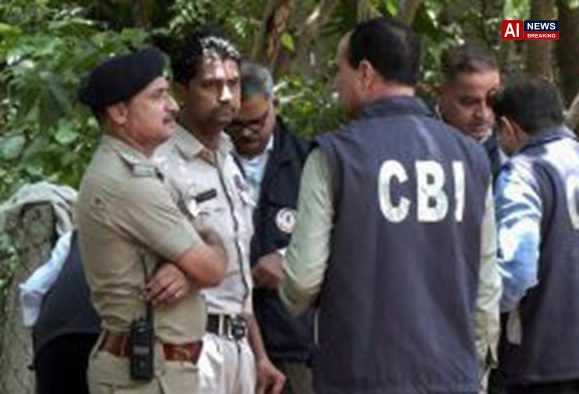
Delhi Police busts fraud gang posing as CBI officers - AI News Breaking
A sophisticated fraud ring operating with alarming precision has been dismantled by Delhi Police, marking a significant blow to organized criminal networks that have long exploited the prestige of central investigating agencies. The raid, conducted in the early hours of Wednesday, targeted a sprawling apartment complex in South Delhi, where investigators uncovered a cache of counterfeit documents, official-looking uniforms, and communication devices that pointed to a highly structured operation. Police officials described the seizure as unprecedented in its scale and meticulousness, noting that the suspects had not only forged identification cards but had also replicated the intricate design of Central Bureau of Investigation badges with terrifying accuracy..
The operation, codenamed Operation Shield, was launched following weeks of surveillance and intelligence gathering, which revealed a pattern of intimidation and harassment directed at business owners and homeowners across the National Capital Region.The initial tip-off came from a businessman who claimed he had been approached by individuals posing as CBI officers. These men, dressed in immaculate blue uniforms and carrying what appeared to be genuine authorization letters, demanded substantial sums of money under the threat of immediate arrest for alleged financial irregularities. The victim, suspecting foul play, discreetly recorded the interaction and passed the evidence to the local police..
What followed was a deep dive into the digital footprint of the suspects, which led detectives to a WhatsApp group that served as the nerve center for the gang’s operations. Within this encrypted chat, members coordinated raids, shared schedules of targets, and celebrated successful extortions with a chilling casualness that shocked investigators. The police noted that the group’s hierarchy was rigid, with clear roles assigned to lookouts, negotiators, and enforcers, mirroring the structure of a genuine investigative team.During the raid, police officers encountered resistance from two individuals who attempted to destroy documents by flushing them down toilets and setting others on fire..
However, swift intervention allowed investigators to salvage crucial evidence, including a ledger that detailed over fifty fraudulent raids conducted in the past six months. The apartment was found to be turned into a makeshift command center, complete with binders containing forged case numbers, fake warrants, and even printed passports with photocopied images of the suspects themselves. Among the most disturbing finds were several sets of CBI uniforms, complete with insignia, badges, and even specific name tags that had been laser-etched to appear authentic..
The attention to detail was such that police forensic experts initially questioned the validity of the evidence, only to confirm through material analysis that the fabric and embroidery were commercial reproductions designed to deceive the untrained eye.The modus operandi of the gang was meticulously planned and executed with a level of professionalism that belied its criminal nature. According to police statements, the perpetrators would often conduct reconnaissance on their targets, studying their daily routines and identifying vulnerabilities such as elderly family members living alone or businesses with poor security protocols. They would then send out fabricated notices via WhatsApp or email, bearing the name, designation, and digital signature of high-ranking CBI officials, including the Director..
These notices often cited urgent inquiries or subpoenas, creating a sense of immediate crisis that compelled victims to comply without seeking legal counsel. The psychological pressure applied was immense, as the fear of dealing with a powerful central agency paralyzed many victims, leading them to hand over cash, gold, or property documents in exchange for promised leniency.In one particularly egregious case, a retired couple was targeted by the gang, who claimed they were under investigation for tax evasion. The perpetrators arrived at the couple’s residence armed with fake arrest warrants and handcuffs, creating a scene of such authority that the elderly victims were too terrified to question their legitimacy..
The couple was forced to sign over the power of attorney for their property before the “officers” departed with a substantial cash payment. It was only when a relative, who had been informed of the situation, visited the local police station that the scam was unraveled. The police emphasized that the gang exploited the general public’s limited knowledge of legal procedures and the intimidating aura associated with the CBI, turning respect for law enforcement into a weapon of extortion.The apprehended suspects, six men in total, have been remanded to judicial custody and are facing multiple charges under the Indian Penal Code, including cheating, impersonation of public servants, and criminal conspiracy..
Police have also recovered several high-end smartphones and laptops, which are now being analyzed for digital evidence to uncover higher-level handlers or additional accomplices. The investigation is ongoing, with authorities working to trace money laundering pathways and identify other victims who may not have reported the incidents due to shame or fear. The Delhi Police Commissioner praised the tenacity of the investigative team, noting that the successful bust serves as a stark warning to such criminal enterprises that technological sophistication and fake badges no longer grant them immunity from detection.Forensic analysis of the seized materials has revealed that the counterfeit IDs were produced using advanced printing techniques, likely sourced from specialized forgers abroad..
The badges were made of metal alloys similar to those used in genuine insignia, and the uniforms were tailored to fit specific body types, suggesting that the gang had a dedicated supply chain for these items. This level of preparation indicates that the group was not an opportunistic outfit but a well-funded syndicate that had invested significant resources in perfecting their deception. Experts suggest that such groups often exploit gaps in inter-agency communication, relying on the assumption that victims will not immediately verify the authenticity of the officers through official channels.Legal experts have pointed out that impersonating a CBI officer is a grave offense under Section 171 of the Indian Penal Code, which carries a rigorous punishment given the potential for widespread harm to public trust..
However, the sheer volume of frauds committed by this particular gang suggests a systemic failure in verification processes that some citizens unfortunately accept at face value. Lawyers advising victims emphasize the importance of independent verification, urging individuals to contact the official CBI headquarters or their local police station whenever approached by unauthorized agents. The incident has sparked a broader debate on the need for stricter cybersecurity measures and public awareness campaigns to help citizens distinguish between genuine law enforcement actions and elaborate scams.The family of the initial victim, who brought the matter to light, has expressed relief but also frustration at the brazenness of the criminals..
They added that they received a purported notice through WhatsApp bearing the name and signature of the CBI Director, a detail that initially deepened their terror. The digital signature, though visually authentic, was easily disproven when cross-referenced with official records, a step the police now recommend all citizens take. This case highlights the evolving nature of fraud in the digital age, where technology is used not just to commit crimes but to create a veneer of legitimacy that is difficult for laypeople to penetrate..
The ease with which official documents can be forged and disseminated poses a significant challenge to law enforcement agencies tasked with maintaining public order.As the investigation expands, police are scrutinizing financial transactions linked.
Updated: August 20, 2026
Insight: The syndicate’s militaristic precision in forging state authority exposes a critical vulnerability where public reverence for law enforcement is weaponized against citizens.
This escalation from conventional bribery to high-tech impersonation demands immediate systemic verification protocols, as digital facades now grant criminals the terrifying power of the state.