Europe warns of Russia’s hybrid attacks but struggles to counter them
  Former chief election commissioner calls SIR scheme illegal.
  A Corruption Scandal Is Reshaping Brazil’s Presidential Election
  US citizen injured in Illinois after ICE agents mistook him for fugitive, tried to arrest him
  At 10 years old, Smithsonian’s Black museum is undaunted amid pressure from Trump administration
 Gulf Conflict Hits Indian Airlines Hard: Longer Routes, Idle Aircraft and Rising Fuel Costs Shake India–Middle East Air Travel
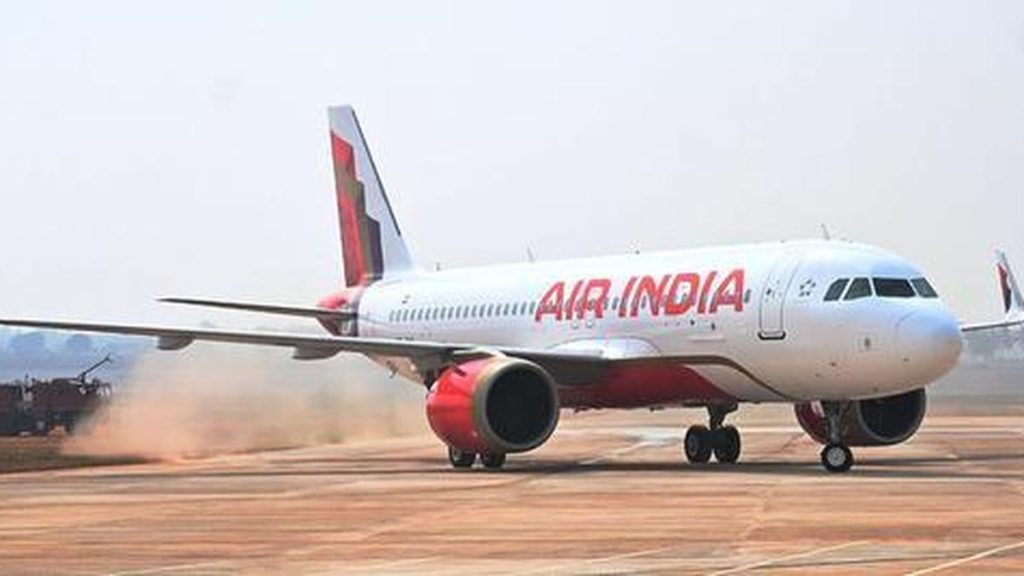
The escalating conflict in the Middle East has begun to ripple far beyond the battlefield, disrupting global trade, shipping, and aviation. Among the industries feeling the strongest impact is aviation—particularly Indian airlines, which rely heavily on air travel between India and the Gulf region.
The India–Gulf aviation corridor is one of the busiest international air travel networks in the world. Millions of migrant workers, business travelers, and tourists move between the two regions every year. In 2025 alone, nearly four crore passengers (about 40 million) flew between India and Gulf countries, accounting for around half of India’s international air traffic.
But with rising geopolitical tensions, airspace closures, missile threats, and military operations across the Middle East, Indian carriers are facing an unprecedented operational challenge. Flights are being rerouted, aircraft are grounded, fuel costs are soaring, and airlines are losing revenue.
The crisis has revealed how deeply dependent Indian aviation is on Gulf routes—and why airlines in India may be among the worst affected globally.
The Strategic Importance of the India–Gulf Air Corridor
The Gulf region—including countries such as the United Arab Emirates, Saudi Arabia, Qatar, Kuwait, and Oman—is one of the most important aviation markets for India.
Several factors make this corridor critical:
Massive Indian diaspora
More than 9 million Indians live and work in the Gulf, making it one of the largest overseas Indian communities.
Workers travel frequently between their home states and Gulf cities for jobs, vacations, and family visits.
High flight frequency
Routes connecting cities such as Dubai, Doha, Abu Dhabi, Riyadh, and Muscat with Indian cities operate dozens of flights daily.
Major revenue source
For many airlines, these routes are among the most profitable international services.
Airlines like Air India, IndiGo, SpiceJet, and Akasa Air rely heavily on this traffic.
Because of these factors, any disruption in the Gulf region immediately affects India’s aviation sector.
Airspace Closures and Flight Rerouting
One of the most immediate impacts of the conflict has been the closure or restriction of airspace across parts of the Middle East.
Flights that previously took direct routes across the region now have to detour to avoid high-risk zones.
Affected airspace includes parts of:
- Iran
- Iraq
- Israel
- Syria
Airlines must now fly around these areas, adding significant distance to many routes.
For example:
- Flights between Delhi and Dubai may now take 30–90 minutes longer.
- Some services have to fly via Central Asia or the Arabian Sea, avoiding conflict zones.
These detours increase fuel consumption and operating costs.
Longer Flights Mean Higher Fuel Bills
Fuel is the largest operating expense for airlines.
Even small increases in flight time can significantly raise fuel consumption.
When flights take longer routes:
- More fuel must be carried
- Aircraft weight increases
- Operational costs rise
At the same time, geopolitical tensions in the Middle East often push global oil prices higher, which increases aviation fuel costs.
For Indian airlines already operating with thin profit margins, the combined impact is severe.
Aircraft Are Being Grounded
Another major challenge is that several aircraft scheduled for Gulf routes are currently sitting idle.
Airlines design their fleet schedules months in advance. Aircraft are assigned to specific routes based on passenger demand and flight duration.
When flights are cancelled or reduced due to security concerns, these aircraft may not immediately find alternative routes.
As a result:
- Planes remain grounded
- Crew schedules are disrupted
- Airline revenue drops
Idle aircraft represent a significant financial burden because airlines must continue paying for leasing, maintenance, and parking.
Lower Passenger Demand
Safety fears have also affected passenger demand.
Some travelers are postponing or cancelling trips to the Gulf region due to uncertainty and potential travel risks.
This is especially noticeable among:
- Tourists
- Business travelers
- First-time migrant workers
Lower passenger numbers reduce ticket sales and weaken airline revenue.
Competition With Gulf Airlines
Another factor making the situation worse for Indian carriers is competition from Gulf airlines.
Major carriers such as:
- Emirates
- Qatar Airways
- Etihad Airways
have large fleets, stronger financial reserves, and global networks.
Even when conflicts disrupt travel, these airlines can quickly shift aircraft to other routes.
Indian airlines, by contrast, have more limited international networks, making them more vulnerable to regional disruptions.
Cargo Operations Are Also Affected
Passenger flights are not the only services affected.
The India–Gulf corridor is also important for air cargo, including:
- Electronics
- Pharmaceuticals
- Food products
- High-value industrial goods
Flight disruptions slow cargo deliveries and increase logistics costs.
For industries relying on fast air transport, delays can disrupt supply chains.
Rising Insurance and Security Costs
Conflicts also push up aviation insurance premiums.
When airlines fly near war zones, insurers classify those areas as high-risk zones.
Airlines may have to pay:
- Higher war-risk insurance
- Additional safety compliance costs
- Extra fuel reserves
These expenses further increase operating costs.
Impact on Migrant Workers
The aviation disruption also affects millions of Indian migrant workers in the Gulf.
Workers traveling between India and countries like Saudi Arabia and United Arab Emirates rely heavily on affordable flights.
Higher ticket prices and reduced flight availability can make travel difficult, particularly during peak seasons.
Many workers travel home only once every year or two, so even small changes in ticket prices can have major financial consequences.
Economic Impact on Indian Aviation
India’s aviation sector has been growing rapidly in recent years.
Before the conflict, international travel demand was recovering strongly after the pandemic.
However, the Gulf conflict threatens to slow that momentum.
Airlines could face:
- Reduced profitability
- Delayed expansion plans
- Higher debt levels
The impact may also extend to airport operators and tourism businesses.
Possible Long-Term Effects
If the conflict continues for an extended period, the aviation industry could see structural changes.
Possible long-term outcomes include:
Route diversification
Indian airlines may expand routes to Southeast Asia, Europe, and Africa to reduce dependence on the Gulf.
Fleet adjustments
Carriers may deploy larger aircraft on alternative international routes.
Strategic partnerships
Airlines may deepen partnerships with global carriers to share traffic and reduce risks.
The Global Aviation Context
The disruption is not limited to India.
Airlines worldwide are adjusting routes to avoid dangerous airspace.
However, few regions are as dependent on a single international corridor as India is on the Gulf.
That unique dependence explains why Indian airlines are among the hardest hit.