Europe warns of Russia’s hybrid attacks but struggles to counter them
  Former chief election commissioner calls SIR scheme illegal.
  A Corruption Scandal Is Reshaping Brazil’s Presidential Election
  US citizen injured in Illinois after ICE agents mistook him for fugitive, tried to arrest him
  At 10 years old, Smithsonian’s Black museum is undaunted amid pressure from Trump administration
 Zelenskyy Claims Russia Supplying Shahed-136 ‘Kamikaze’ Drones to Iran, Calls Evidence “100% Facts”
Ukrainian President Volodymyr Zelenskyy has accused Russia of supplying Iran with Shahed-136 “kamikaze” drones, citing “100% facts” as evidence, and warns that this could destabilize multiple regions and lead to further drone attacks across the Middle East and against Western interests.
Russia Accused of Sending Shahed Drones to Iran
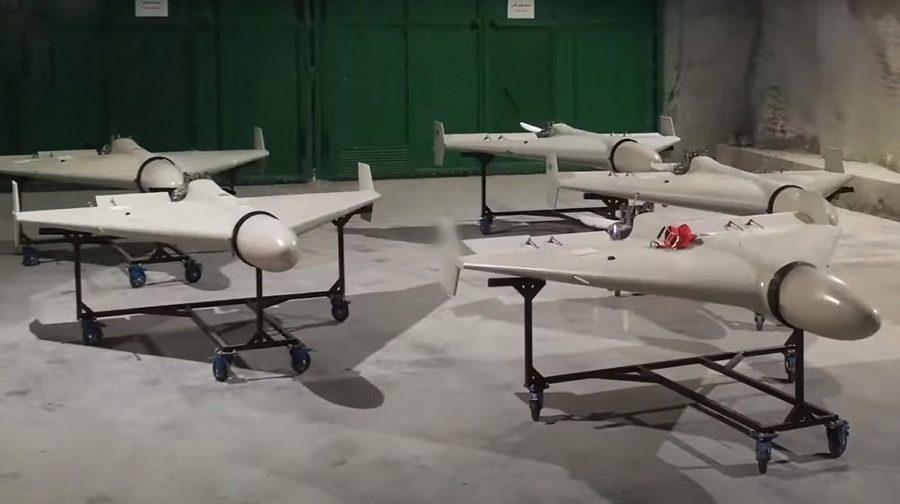
Ukrainian President Volodymyr Zelenskyy has claimed that Russia is supplying attack drones to Iran, reversing the earlier pattern of military cooperation between the two nations. According to Zelenskyy, the drones being transferred are the notorious Shahed-136 loitering munitions—often described as “kamikaze drones”—and the claim is backed by what he described as “100% facts.”
The allegation marks a significant escalation in concerns about the deepening military partnership between Moscow and Tehran. For years, Iran had been accused of supplying these drones to Russia for use in the war against Ukraine. Zelenskyy’s latest remarks suggest that the relationship has evolved into a two-way exchange of drone technology and weapons.
Speaking in a recent interview, Zelenskyy warned that the proliferation of Shahed drones could destabilize multiple regions at once. If Russia is indeed exporting the systems back to Iran, he argued, it could lead to further drone attacks across the Middle East and against Western interests.
What Are Shahed-136 Drones?
The Shahed-136 is a type of loitering munition developed by Iran. Unlike conventional drones that return after reconnaissance or strike missions, these weapons are designed to crash into targets and detonate on impact.
Key features include:
- Long operational range, allowing strikes hundreds of kilometers away
- GPS-guided navigation
- A relatively low production cost compared with missiles
- The ability to overwhelm air defenses when used in large swarms
Because of these characteristics, the drones have gained global notoriety. They have been deployed in multiple conflict zones and have become a signature weapon of modern asymmetric warfare.
Their affordability also makes them appealing to countries or groups seeking powerful strike capabilities without expensive missile systems.
From Iran to Russia — And Now Possibly Back Again
The allegations from Kyiv highlight a dramatic reversal in the flow of drone technology between Iran and Russia.
Early in the Ukraine war, Western intelligence agencies and Ukrainian officials accused Iran of providing Russia with Shahed-type drones. These drones were then used extensively in strikes against Ukrainian infrastructure and cities.
Iran initially denied supplying weapons to Moscow after the invasion began, though evidence later emerged suggesting that shipments and technical assistance had taken place.
Over time, Russia reportedly gained the knowledge and production capacity needed to manufacture its own versions of the drone domestically.
These locally produced drones are often referred to by the Russian designation “Geran-2.”
Satellite images and intelligence reports suggest that large manufacturing facilities in Russia now produce thousands of these drones annually. Some estimates indicate that Russia has dramatically reduced production costs and increased output as a result of domestic manufacturing.
Zelenskyy’s “100% Facts” Claim
During his remarks, Zelenskyy asserted that Ukraine possesses solid evidence showing Russian-made drones being transferred to Iran.
According to him, these drones are allegedly being used in attacks targeting United States and Israeli interests in the Middle East.
Zelenskyy did not publicly reveal all details of the intelligence supporting his claim, but he insisted the evidence was definitive.
He also warned that Russia’s involvement could intensify existing conflicts and expand the scope of drone warfare.
“Unfortunately, we know exactly what these weapons can do,” Zelenskyy said, referring to Ukraine’s experience defending against large-scale drone attacks.
Why the Allegation Matters
If confirmed, the transfer of drones from Russia to Iran would signal a deeper military alliance between the two countries.
Both governments have been under heavy Western sanctions and have increasingly cooperated on defense and technology.
Analysts say the alleged drone exchange could have several implications:
1. Expansion of Drone Warfare
The spread of Shahed-type drones could enable Iran or allied groups to launch more frequent attacks across the Middle East.
2. Strengthening Russia-Iran Military Cooperation
The relationship between Moscow and Tehran has grown significantly since the start of the Ukraine war, with cooperation spanning drones, missiles, and other military technologies.
3. Global Security Concerns
Western governments fear that widespread access to inexpensive loitering munitions could destabilize conflicts worldwide.
Russia’s Growing Drone Industry
Russia’s drone program has expanded rapidly since 2022.
Initially dependent on Iranian shipments, Moscow gradually developed its own manufacturing infrastructure.
One of the key production centers is located in the Alabuga special economic zone in Russia’s Tatarstan region. Intelligence reports suggest that this facility can produce thousands of drones each year.
Local manufacturing has allowed Russia to:
- Reduce the cost per drone
- Modify designs and add new features
- Increase production speed
These improvements have made the drones even more difficult for air defense systems to counter.
How Ukraine Has Responded
Ukraine has spent years developing tactics to defend against Shahed drone attacks.
According to Ukrainian officials, air defense forces have successfully intercepted a large percentage of incoming drones using a combination of:
- Anti-aircraft missiles
- Electronic warfare systems
- Mobile gun units
- Interceptor drones
In addition, Ukraine has deployed a network of acoustic sensors designed to detect the distinctive engine noise of incoming drones.
Despite these efforts, Shahed drones continue to pose a major threat due to their ability to be launched in large numbers.
Drone Warfare Becomes a Global Trend
The controversy surrounding Shahed drones reflects a broader transformation in modern warfare.
Unmanned aerial systems are becoming increasingly central to military operations. Countries around the world are investing heavily in drone technology for surveillance, reconnaissance, and precision strikes.
Loitering munitions like the Shahed-136 represent a particularly disruptive innovation because they combine the roles of missile and drone into a single, relatively inexpensive weapon.
This technology has been adopted by multiple countries and is likely to play an even larger role in future conflicts.
Reactions From the International Community
Zelenskyy’s claims have drawn attention from governments and analysts worldwide.
Western officials are closely monitoring the alleged transfer of drones between Russia and Iran.
Some experts believe that if the claims are verified, new sanctions could be imposed against both countries. Others warn that the spread of drone technology could accelerate an already dangerous arms race.
Meanwhile, Russia and Iran have not officially confirmed the allegations.
Both countries have historically denied accusations of weapons transfers that violate international sanctions or agreements.
The Strategic Importance of Drone Technology
Drone warfare has become one of the defining characteristics of modern conflict.
Unlike traditional aircraft or missile systems, drones can be produced at a fraction of the cost. This allows militaries to deploy them in large numbers, overwhelming defenses and increasing the likelihood of successful strikes.
For countries facing economic or technological constraints, drones offer a way to project military power without the enormous expense of conventional weapons.
The Shahed-136 is one of the most widely discussed examples of this trend.
A Conflict Spreading Beyond Ukraine
The controversy surrounding Russia, Iran, and Shahed drones highlights how the war in Ukraine is influencing security dynamics far beyond Eastern Europe.
Military technologies developed or tested in the conflict are now appearing in other regions.
If Russia is indeed supplying drones back to Iran, it would represent a major shift in the balance of technological exchange between the two countries.
Such a development could have ripple effects across the Middle East and beyond.