 Plaintiffs in Trump arch project seek injunction to stop administration from beginning work Nov. 5
  Trump says he ‘heard something about’ Justice Department probe into longtime ally Corey Lewandowski
  Trump administration stopped sharing evidence in Good and Pretti killings, Minnesota officials say
  Tamil Nadu CM orders Chennai flood‑prevention review.
  India and Bangladesh work
 UN Human Rights Committee Urges India to Act Against Hate Speech, Discrimination and Hate Crimes
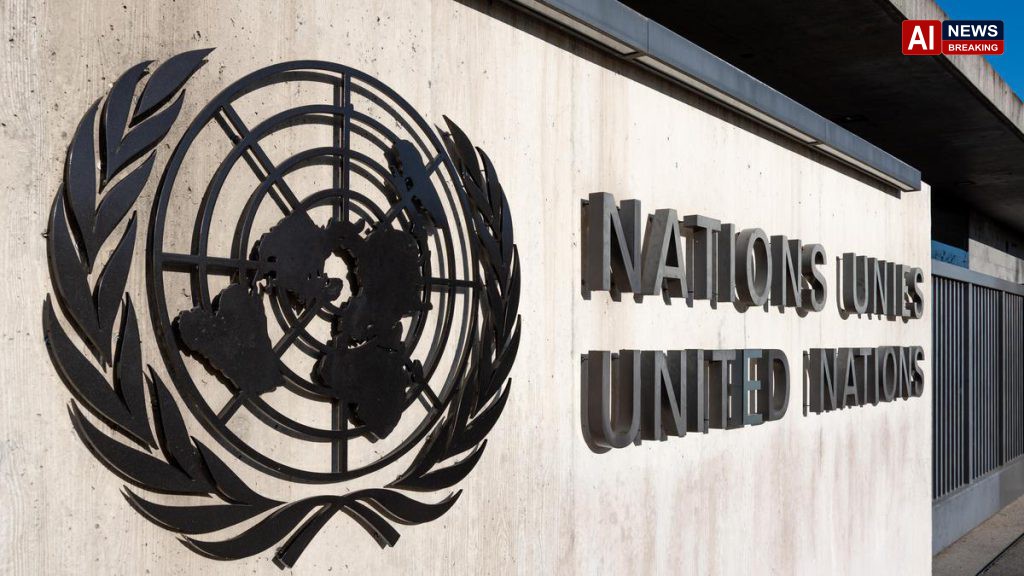
U.N. committee calls for addressing ‘hate speech’ and ‘hate crimes’ in India - AI News Breaking
The United Nations Human Rights Committee has issued a stark warning to India, urging the government to “urgently address discrimination, hate speech and hate crimes” and to “ensure accountability” for violations of fundamental rights. The call follows a series of high‑profile incidents that have drawn international scrutiny, including mob attacks on minorities, inflammatory online rhetoric and the perceived inaction of law‑enforcement agencies. In a formal statement released on Tuesday, the Committee said the pattern of hate‑filled discourse and violence threatens the country’s democratic fabric and contravenes obligations under the International Covenant on Civil and Political Rights (ICCPR), to which India is a party..
The Committee’s recommendation arrives at a politically volatile moment. Over the past year, India has seen a surge in communal tensions, with several cases of lynching and mob justice reported in states such as Uttar Pradesh, Gujarat and Karnataka. Human‑rights organisations contend that the perpetrators often enjoy impunity, while victims—predominantly Muslims, Dalits and tribal peoples—report intimidation when seeking legal recourse..
The United Nations body cited specific instances, including the 2024 Delhi “anti‑conversion” protest that escalated into violent clashes, and the recent attacks on a Sikh congregation in Punjab, as evidence of a systemic failure to curb hate‑motivated offences. In its 42‑page report, the Committee highlighted deficiencies in India’s legal framework. While the Indian Penal Code contains provisions against incitement to violence, the Committee argued that the law is unevenly applied and that recent amendments to the Criminal Law (Amendment) Act have diluted protections for vulnerable groups..
Moreover, the Committee pointed to the lack of a comprehensive hate‑speech law, noting that the existing provisions are “fragmented and insufficient to address the modern digital landscape where hate spreads at unprecedented speed.” It called for legislation that balances free expression with the need to protect citizens from targeted vilification. The statement also stressed the importance of an independent investigative mechanism. According to the Committee, many complaints of hate‑motivated offences are either dismissed or languish in courts for years, eroding public confidence..
It urged India to establish a specialized body, possibly within the National Human Rights Commission, equipped with the authority to monitor, investigate and prosecute hate crimes swiftly. Such a body, the Committee suggested, should be staffed by individuals with expertise in constitutional law, digital forensics and community relations, ensuring that investigations are both thorough and sensitive to the victims’ cultural contexts. India’s Ministry of Home Affairs responded to the UN’s call with a measured reply, acknowledging the concerns while defending the country’s existing legal safeguards..
In a press briefing, Home Minister Amit Shah asserted that “India remains committed to upholding the rule of law and protecting the rights of all its citizens.” He cited recent high‑profile convictions in hate‑crime cases as evidence of a “zero‑tolerance” approach. However, he also warned that external criticism must be “balanced against the sovereign right of a nation to manage its internal affairs,” a sentiment echoed by several senior officials who cautioned against perceived interference in domestic policy. Legal scholars in New Delhi offered a mixed appraisal of the Committee’s recommendations..
Professor Ranjit Singh of the National Law University, Delhi, praised the call for a dedicated investigative unit, arguing that “the current police structure is over‑stretched and often lacks the training to handle the nuanced nature of hate‑based offences.” Conversely, Dr. Aisha Qureshi, a constitutional law expert, warned that any new legislation must be crafted carefully to avoid curbing legitimate dissent. “India’s vibrant democratic discourse depends on robust freedom of expression,” she said, “but that freedom cannot be a shield for hate that incites violence.” Both agreed that a nuanced approach is essential to reconcile security concerns with civil liberties..
Civil‑society groups have welcomed the UN’s intervention, seeing it as a catalyst for overdue reforms. The People’s Union for Civil Liberties (PUCL) organized a rally in Mumbai, demanding immediate action against hate speech on social media platforms. Their spokesperson, Arvind Mehta, highlighted the role of tech giants in amplifying extremist narratives, urging the government to enforce stricter content‑moderation policies..
Meanwhile, the All‑India Muslim Personal Law Board issued a joint statement with Dalit activist coalitions, calling for “swift accountability for those who weaponise religion and caste to sow division.” They emphasized that without concrete steps, India risks alienating large segments of its population. International observers noted the broader implications of the Committee’s pronouncement. The European Union’s external action service, in a brief commentary, warned that “systemic hate crimes can affect trade, investment and people‑to‑people ties.” It suggested that persistent human‑rights concerns could influence future bilateral agreements, particularly in sectors such as technology and education where collaborative frameworks depend on shared values..
The United States, while not directly commenting on the UN report, reiterated its “continued engagement on human‑rights dialogues with India,” hinting that the issue may feature in upcoming diplomatic exchanges. The digital realm emerged as a focal point in the Committee’s analysis. Researchers from the Internet Freedom Foundation documented a 57 % rise in online hate content targeting minorities between 2022 and 2024, attributing the spike to algorithmic amplification on popular platforms..
The Committee urged India to adopt a “multistakeholder” approach, involving the government, civil society, academia and the private sector, to develop transparent guidelines for content removal.
Updated: August 26, 2026
The UN Human Rights Committee has warned India to act swiftly against hate speech and hate crimes, citing rising communal violence and inadequate legal safeguards. It urges new legislation and a specialised investigative body to ensure accountability while balancing free expression.