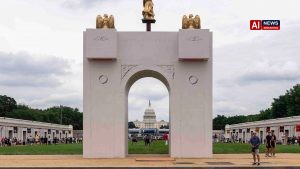
 Plaintiffs in Trump arch project seek injunction to stop administration from beginning work Nov. 5
  Trump says he ‘heard something about’ Justice Department probe into longtime ally Corey Lewandowski
  Trump administration stopped sharing evidence in Good and Pretti killings, Minnesota officials say
  Tamil Nadu CM orders Chennai flood‑prevention review.
  India and Bangladesh work
 Iran claims US missile struck oil tanker near Kharg Island.
** Tehran’s state TV reports a U.S. missile hit an Iranian oil tanker near the vital Kharg Island export terminal, a claim yet unverified by independent sources. The allegation emerges amid a surge in U.S. airstrikes on Iranian targets and growing worries about disruptions to global oil supplies through the Strait of Hormuz.**
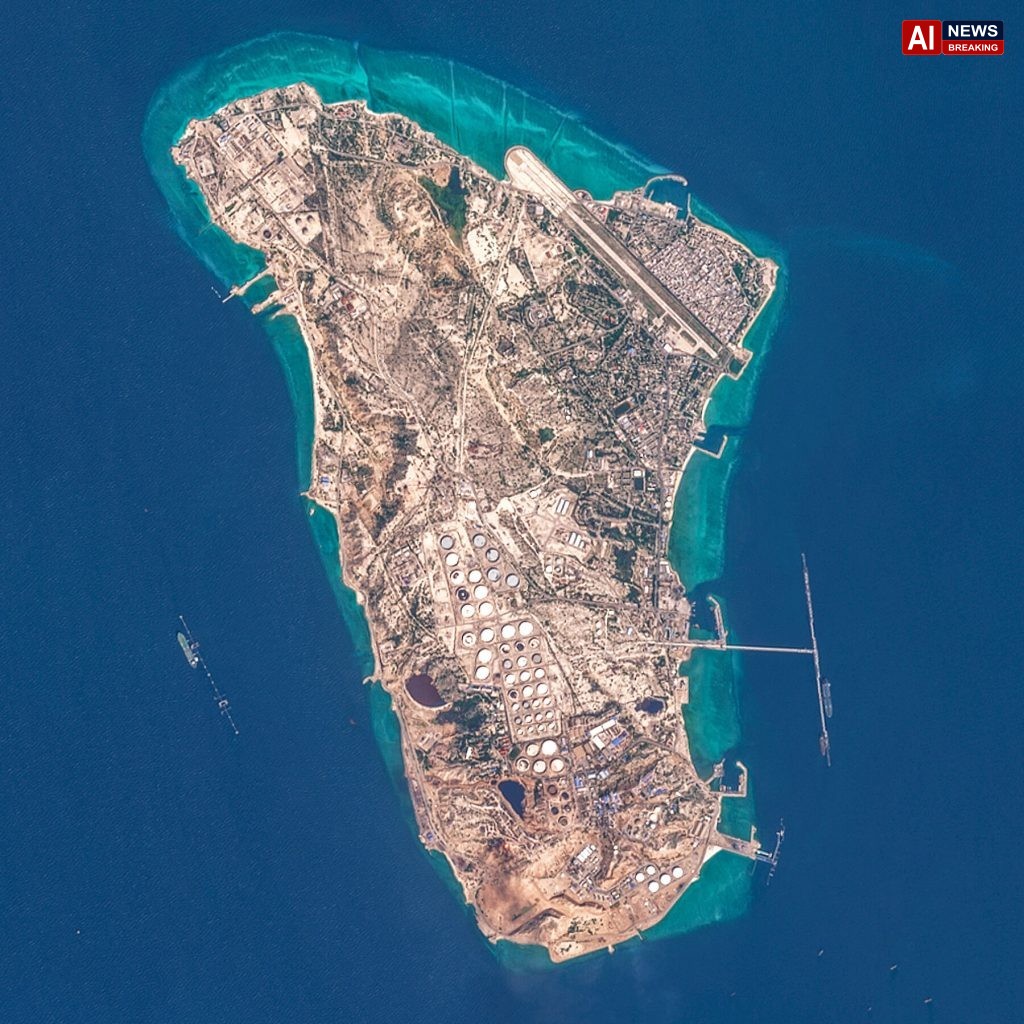
Iran claims US missile struck oil tanker near Kharg Island. - AI News Breaking
iran claims missile struck:
Tehran’s state-run media has reported that a United States missile struck an Iranian oil tanker in the Persian Gulf, located in close proximity to the nation’s critical Kharg Island export terminal. The assertion, which remains unverified by independent sources or international observers, emerged amid a period of heightened military tension following a series of American retaliatory strikes against Iranian positions. The United States military has not confirmed the incident, nor has it acknowledged any operational targeting of civilian commercial vessels, leaving a significant vacuum of factual clarity regarding the specific event and its immediate consequences for global energy markets.The report from Iranian state television described the vessel as a standard oil transport ship engaged in routine operations within the contested waters..
It is unclear whether the strike was intentional, a result of collateral damage from broader military engagements, or a misidentification by local authorities. Experts note that the waters around Kharg Island are among the most monitored in the world, with multiple international navies and satellite providers frequently tracking vessel movements. Consequently, any major incident involving such a prominent facility would likely be corroborated through open-source intelligence, yet no such definitive evidence has surfaced in the hours following the initial report.This development follows a rapid escalation in hostilities that began after Iran launched attacks on commercial shipping lanes and American-led coalition forces in the region..
In response, the United States executed a barrage of precision airstrikes targeting Iranian military infrastructure, including radar systems, command centers, and weapon depots. These retaliatory measures, described by Washington as proportionate and defensive, have drawn widespread international concern regarding the stability of the Strait of Hormuz, a chokepoint through which approximately one-fifth of the world’s oil supply passes daily.The strategic significance of Kharg Island cannot be overstated. As the hub of Iran’s oil exports, the facility handles the vast majority of the country’s crude oil shipments..
Any prolonged disruption to operations at Kharg, or damage to tankers navigating its sortie channels, would have immediate and severe repercussions for global energy prices. Traders in London, New York, and Dubai reacted with caution to the news, with Brent crude futures experiencing volatile swings as markets assessed the likelihood of a sustained supply shock. However, without confirmation of physical damage or a halt in exports, prices have not yet settled into a sustained upward trend.United States Defense Department officials have maintained a strict stance of operational security regarding the specific targets of recent strikes..
While public statements have been carefully worded to emphasize the defensive nature of the actions, they have consistently denied targeting commercial maritime traffic or civilian infrastructure. A spokesperson for the Pentagon stated that military operations are conducted in accordance with international law and that care is taken to minimize collateral damage. The lack of a specific rebuttal to the tanker incident has been interpreted by some analysts as standard protocol during active conflicts, rather than an admission of guilt or omission.Iranian officials have used the reported strike to reinforce their narrative that United States military actions are escalating recklessly and threatening global economic stability..
State media broadcasts have featured images of smoke rising from the vicinity of the reported strike zone, though these visuals have not been independently verified. Iranian leadership has vowed further retaliation, warning that any attack on its economic lifelines will be met with corresponding measures against American interests in the region. This rhetoric has heightened fears of a widening conflict that could draw in regional proxies and further destabilize the Middle East.International diplomatic efforts have intensified in the wake of these developments..
Representatives from the European Union, the United Nations, and key regional powers have called for immediate de-escalation and restraint. The United Nations Security Council is expected to convene emergency consultations to address the growing threat to civilian maritime safety. Diplomatic channels between Washington and Tehran, though largely frozen, remain open for indirect communication through intermediaries such as Oman and Qatar, who have historically facilitated dialogue during periods of acute tension..
These intermediaries are reportedly urging both sides to avoid actions that could precipitate a full-scale war.Maritime insurance premiums in the Gulf region have surged, reflecting the Heightened risk environment for commercial vessels. War risk insurance rates, which cover losses due to conflict, have reached levels not seen since the early stages of the conflict in 2020, when tanker seizures were common. Shipping companies are recalibrating their routes, with some opting to avoid the immediate vicinity of Kharg Island entirely..
This logistical shift adds another layer of complexity to global supply chains, which are already strained by geopolitical uncertainties elsewhere.The uncertain nature of the report highlights the challenges of verifying information in modern hybrid conflicts, where digital propaganda and real-time misinformation can spread as quickly as conventional weapons. Until independent confirmations emerge from neutral parties, satellite imagery providers, or the United States military, the incident remains an allegation. However, the mere possibility of a strike on a major oil asset serves as a potent reminder of the fragility of the global energy market..
As tensions continue to simmer, the international community watches closely, aware that a single misstep could transform a contained military exchange into a broader regional catastrophe with devastating economic consequences. The coming days will be critical in determining whether de-escalation holds or if the region spirals further into instability..
Updated: September 5, 2026
Iranian state media claims a U.S. missile hit an oil tanker near the crucial Kharg Island export hub, a report unverified by independent sources amid escalating U.S.-Iran clashes. The allegation has spurred market caution, higher insurance rates and calls for de‑escalation, while Washington denies targeting civilian vessels.
Insight: If the claim proves true, even a single missile on a tanker near Kharg could force market participants to price in a “risk‑of‑supply‑shock” premium, tightening global oil flows before any actual production loss materializes.
Conversely, the murky narrative itself fuels a feedback loop: