Europe warns of Russia’s hybrid attacks but struggles to counter them
  Former chief election commissioner calls SIR scheme illegal.
  A Corruption Scandal Is Reshaping Brazil’s Presidential Election
  US citizen injured in Illinois after ICE agents mistook him for fugitive, tried to arrest him
  At 10 years old, Smithsonian’s Black museum is undaunted amid pressure from Trump administration
 AAP Power Struggle: Sandeep Pathak vs Arvind Kejriwal in Delhi Election Showdown
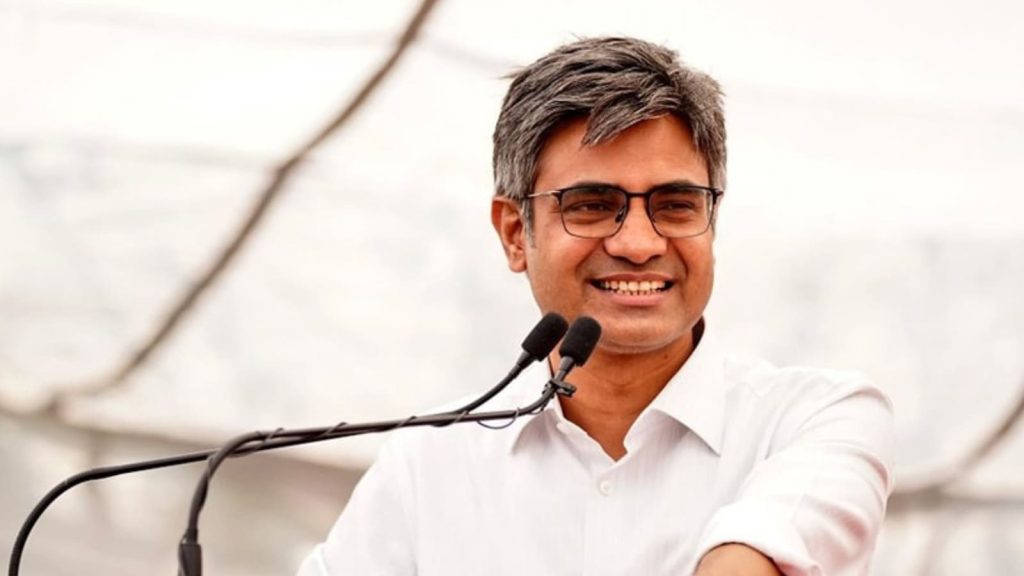
power struggle sandeep pathak:
The evolving tensions within the Aam Aadmi Party (AAP) have taken a dramatic turn with senior leader Sandeep Pathak emerging at the center of a growing political storm. Once considered a trusted strategist and close aide of Arvind Kejriwal, Pathak is now being portrayed in political narratives as an unexpected adversary—raising questions about internal dynamics, leadership control, and the future trajectory of the party.
From Trusted Insider to Controversial Figure
Sandeep Pathak has long been seen as one of AAP’s key organizational minds, particularly credited for:
- Strengthening the party’s election machinery
- Playing a crucial role in Punjab’s electoral success
- Acting as a bridge between leadership and grassroots workers
His proximity to Kejriwal and involvement in strategic decision-making positioned him as a core insider within AAP’s power structure.
What Triggered the Rift?
While there is no single publicly confirmed breaking point, multiple factors appear to have contributed to the fallout:
1. Power and Influence Within the Party
As AAP expanded beyond Delhi, internal roles became more complex. Pathak’s growing influence reportedly led to:
- Perceptions of parallel power centers
- Friction with other senior leaders
- Concerns over centralized vs distributed authority
2. Strategic Differences
Differences in political strategy—particularly around:
- State-level leadership autonomy
- Candidate selection
- Alliance-building approaches
may have widened the gap between Pathak and sections of the leadership.
3. Internal Communication Breakdown
Political insiders suggest that lack of transparent communication channels and internal dispute resolution mechanisms often intensify such conflicts, leading to public fallout.
The ‘Backstabber’ Narrative: Political Framing
The characterization of Pathak as a “backstabber” is largely political rhetoric, not a legal or verified label. It reflects:
- Internal frustration within sections of the party
- Attempts to shape public perception of the conflict
- Broader struggles over loyalty and control
Such language is common in high-stakes political environments, especially when trusted insiders turn critics or rivals.
Impact on AAP’s Political Standing
1. Organizational Stability
Internal discord at senior levels can:
- Affect decision-making efficiency
- Create confusion among party workers
- Impact coordination across states
2. Electoral Strategy
AAP’s expansion ambitions—especially beyond Delhi and Punjab—depend heavily on cohesive leadership and unified messaging. Any visible rift could:
- Weaken campaign effectiveness
- Provide ammunition to Opposition parties
3. Public Perception
Voters often view internal conflict as a sign of:
- Instability
- Leadership challenges
- Governance distractions
Opposition Reaction
Rival parties have been quick to capitalize on the situation, suggesting that:
- AAP is facing internal contradictions
- Leadership struggles are undermining its governance claims
- The party’s “alternative politics” narrative is under strain
AAP’s Response
The party leadership has largely avoided escalating the issue publicly, focusing instead on:
- Highlighting governance achievements
- Maintaining a unified external front
- Downplaying internal disagreements as routine
However, the persistence of the narrative suggests that the issue remains politically significant.
Broader Context: Growing Pains of Expansion
AAP’s internal tensions can also be seen as part of a broader pattern:
- Transition from a movement-driven party to a multi-state political force
- Increasing complexity in leadership hierarchies
- Balancing central control with regional autonomy
Such transitions often bring internal challenges, especially as power structures evolve.
AI Insights
The portrayal of Sandeep Pathak as a “backstabber” highlights more than just a personal rift—it points to deeper structural and strategic tensions within AAP. As the party navigates expansion and electoral pressures, how it manages internal dissent will be crucial in determining whether it can sustain its political momentum or face fragmentation.
This is a developing story. More updates will follow as new information becomes available.