Europe warns of Russia’s hybrid attacks but struggles to counter them
  Former chief election commissioner calls SIR scheme illegal.
  A Corruption Scandal Is Reshaping Brazil’s Presidential Election
  US citizen injured in Illinois after ICE agents mistook him for fugitive, tried to arrest him
  At 10 years old, Smithsonian’s Black museum is undaunted amid pressure from Trump administration
 Albanese Calls for Emergency Meeting as Labor Proposes 25 Tax on Gas Exports to Mitigate Fuel Crisis
** Prime Minister Anthony Albanese has announced an emergency National Cabinet meeting to discuss the ongoing fuel crisis in Australia. Labor MP Ed Husic proposes introducing a 25% tax on gas exports in the upcoming budget to boost domestic oil supplies, amidst growing discontent with multinational energy companies.
albanese calls emergency meeting:
Updated: April 20, 2026
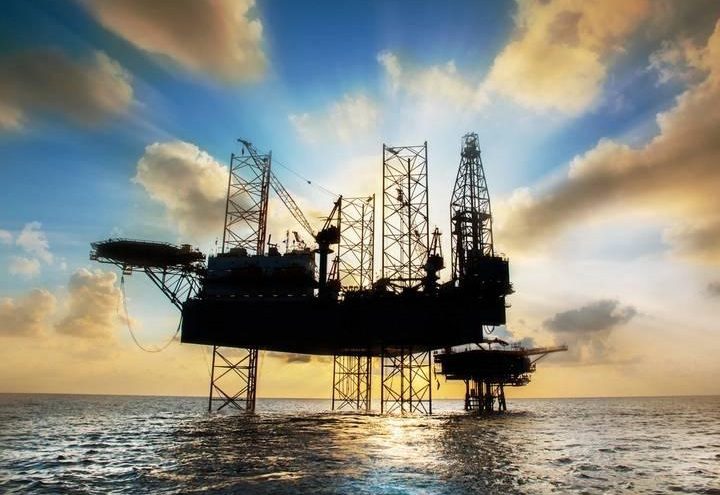
Prime Minister Anthony Albanese has announced that the National Cabinet will convene this week to address the prolonged fuel crisis affecting Australia. During the meeting, the Cabinet will consider measures to enhance oil refining capacity in the country, aiming to alleviate the burden on consumers and businesses.
Ed Husic, a Labor MP, suggested introducing a 25% tax on gas exports in the upcoming budget to rectify a perceived disparity in the industry. Husic’s comments come amidst growing discontent with multinational energy companies, which he describes as having enjoyed “an obscenely sweet deal” for far too long.
According to Husic, the country is sitting on a significant resource reserve yet is struggling to afford essential gasoline due to the substantial portion of gas being exported. This situation has unified people across the political spectrum, with many questioning why Australia’s gas is being sold offshore while domestic supplies dwindle.
In a separate development, Australia is urging a de-escalation of tensions in the Middle East, alongside the international community. This stance is aligned with the United States as it endeavors to negotiate a resolution to alleviate the oil supply shortages that have contributed to the current fuel crisis.
Husic’s comments come after Labor’s proposed budget plan was released for public scrutiny. While some have welcomed the proposed measures, others remain skeptical about their potential impact on the economy and industry players.
As the National Cabinet deliberates, Australians continue to grapple with the consequences of the fuel crisis, including higher fuel prices and supply shortages. With the country struggling to maintain adequate domestic oil supplies, the stakes remain high as leaders weigh their options to boost refining capacity and alleviate the crisis.
The meeting between the National Cabinet is seen as a critical juncture in Australia’s response to the fuel crisis. The proposed measures to boost refining capacity and impose a tax on gas exports are likely to shape the nation’s energy policy and economy in the long term.
Australia’s decision to join the international call for a de-escalatory approach in the Middle East highlights the country’s reliance on oil exports. As tensions ease and oil supplies increase, Australians can look forward to relief at the bowser, as the government and industry stakeholders work to alleviate the fuel crisis.
The proposal to introduce a 25% tax on gas exports in the upcoming budget suggests a significant policy shift in Australia’s energy landscape. This move can be seen as a response to growing public discontent with multinational energy companies enjoying favorable deals at the expense of domestic consumers. However, the effectiveness of this tax in alleviating the fuel crisis and boosting domestic oil supplies remains to be seen, as it depends on several factors, including the industry’s response and the overall economy.