Indonesia denies foreign claim to rescued orangutans
 Turkey hosts COP31 climate talks in Antalya.
 Pope meets Argentine bishops.
 APOD: 2026 November 8 – Major Fireball Meteor
 Indonesian Horror Hit ‘Pabrik Gula’ Gets 2028 Sequel as MD Entertainment Lines Up Three Imax Films
Any plan to restrict sale of liquor in hotel bars and clubs located close to educational institutions? Madas High Court asks Commissioner of Prohibition and Excise
**
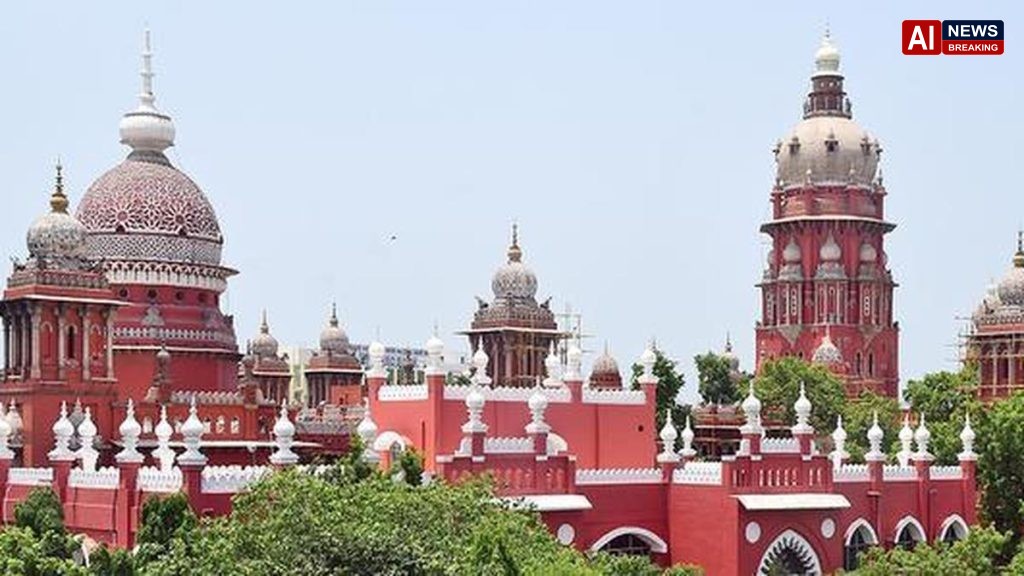
Any plan to restrict sale of liquor in hotel bars and clubs located close to educational institutions? Madas High Court asks Commissioner of Prohibition and Excise - AI News Breaking
plan restrict sale liquor:
The Madras High Court on Tuesday directed the State’s Commissioner of Prohibition and Excise to examine whether a ban on the sale of liquor in hotel bars and night‑clubs situated within a prescribed radius of schools, colleges and other educational institutions is required, after a startling incident was brought to its notice. The matter arose when a 19‑year‑old college student allegedly consumed alcohol at a bar that is part of a hotel reportedly managed by the same college’s administration. Justice N. Ramesh, presiding over the bench, expressed “utter shock” at the revelation and asked the commissioner to submit a comprehensive report on the existing regulatory framework, enforcement mechanisms and any pending proposals to tighten the rules.The petition, filed by a private citizen on behalf of the student, claims that the bar was operating on the premises of the institution’s hostels, thereby making alcohol readily accessible to under‑age students..
According to the petitioner, the hotel’s license permits the sale of liquor to patrons aged 21 and above, but the enforcement of age verification is lax, and the proximity of the venue to the college campus creates an environment where illegal consumption can flourish unchecked. The petition also points to the fact that the college management, which runs the hostel, allegedly derived a portion of its revenue from the bar’s operations, raising concerns about a conflict of interest.In response, the Commissioner of Prohibition and Excise, through his counsel, highlighted that the current Tamil Nadu Liquor Policy, as amended in 2018, already restricts the location of liquor outlets within a 500‑metre radius of any educational institution. However, the commissioner noted that the policy primarily applies to standalone liquor shops and does not automatically extend to hotel bars or clubs that operate under a separate hospitality licence..
“The statutory framework differentiates between retail liquor licences and on‑premises consumption licences,” he said, “and the latter are governed by the Tamil Nadu Hotel and Restaurant Act, which does not currently incorporate a proximity clause for educational establishments.”Legal experts observing the hearing noted that the gap identified by the petition is not new. In 2020, the Madras High Court had issued guidelines urging the State to tighten controls over the sale of alcohol near schools and colleges, but those directions were largely confined to the retail sector. Professor S. Muralidharan of the National Law School, Chennai, remarked that “the judiciary is now confronting a nuanced regulatory lacuna where hospitality licences, which are often more lucrative and politically sensitive, escape the purview of existing proximity restrictions.” He added that a comprehensive approach would require legislative amendment rather than merely administrative orders.The court’s request for a detailed report is expected to include an audit of all hotel licences that operate bars or night‑clubs within 1,000 metres of an educational institution, an assessment of compliance with age‑verification protocols, and an evaluation of the financial linkages between educational bodies and hospitality ventures..
The commissioner has been given two weeks to submit the findings, after which the bench may decide whether to issue interim orders or refer the matter to a legislative committee for further action.Stakeholders from the hospitality industry have expressed apprehension that a blanket ban could have far‑reaching economic consequences. The Tamil Nadu Hotel Owners’ Association warned that many hotels rely on bar revenues to subsidise accommodation costs, especially in tier‑two cities where tourism and business travel are growing. “A sudden prohibition in the vicinity of colleges could destabilise the business model of numerous establishments, leading to job losses and reduced investment in the sector,” said the association’s president, K. Ravichandran..
He urged the court to consider a graduated approach, such as mandatory age‑verification technology, stricter monitoring, and limited operating hours, rather than an outright prohibition.Student groups, on the other hand, have welcomed the court’s intervention, calling the incident a “troubling indicator” of how commercial interests can infiltrate academic environments. The All‑India Student Federation organised a protest outside the court earlier in the week, demanding that any venue serving alcohol within a half‑kilometre of a campus be shut down immediately. Their spokesperson, Anitha Menon, argued that “the presence of a bar inside a college‑run hostel sends a dangerous message that alcohol consumption is normalized for young adults, undermining years of public health campaigns aimed at curbing under‑age drinking.”Public health officials have long warned that easy access to alcohol among adolescents is linked to higher rates of road accidents, academic dropout and mental‑health issues..
The State Health Department’s 2022 report indicated a 12 percent rise in alcohol‑related incidents among youths aged 15‑24 over the preceding five years, with a notable concentration in urban centres where hospitality venues cluster near campuses. V. Lakshmi, a senior epidemiologist with the department, noted that “proximity matters; when alcohol is within a short walk from where students live and study, the barriers to consumption diminish dramatically.” She recommended a combination of zoning laws, stringent licensing checks and community‑based awareness programmes.The petition also raised the question of accountability for the college administration that allegedly profited from the bar’s earnings. While educational institutions in Tamil Nadu are governed by the Directorate of Collegiate Education, the legal status of a college‑run hostel operating a commercial bar is ambiguous..
If the court finds that the institution violated statutory provisions, it could face penalties ranging from the revocation of its hostel licence to the imposition of fines under the Prohibition Act. Legal analyst Meera Krishnan pointed out that “the intertwining of public education and private liquor sales creates a conflict of interest that the law is ill‑equipped to resolve without clear legislative guidance.”As the deadline for the commissioner’s report approaches, observers anticipate that the High Court’s next steps could set a precedent for other Indian states grappling with similar issues. The Supreme Court, in a 2021 judgment, upheld the authority of state governments to impose location‑based restrictions on liquor outlets, emphasizing the need to balance commercial liberty with public welfare..
Whether Madras High Court will extend that principle to on‑premises licences remains to be seen. In the meantime, the incident has sparked a broader debate on the role of educational institutions in safeguarding student well‑being, the responsibilities of hospitality operators, and the adequacy of existing liquor‑control policies in an evolving urban landscape..
Madras High Court has asked the state’s liquor regulator to review whether hotel bars and night‑clubs near schools and colleges should face a proximity ban after a 19‑year‑old student was found drinking at a college‑run hostel bar. The court’s inquiry highlights a regulatory gap between retail liquor shops and on‑premise licences, prompting calls for stricter age checks, possible legislative changes and a balanced response from the hospitality sector.
The High Court’s probe exposes a blind spot where hospitality licences outpace public‑health law, letting college‑run bars slip through zoning loopholes that should protect students. If the state tightens those on‑premise permits, it could force a reckoning between revenue‑driven campus enterprises and