 Indonesia denies foreign claim to rescued orangutans
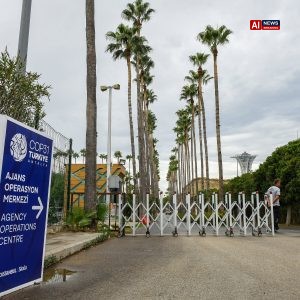
 Turkey hosts COP31 climate talks in Antalya.
 Pope meets Argentine bishops.
 APOD: 2026 November 8 – Major Fireball Meteor
 Indonesian Horror Hit ‘Pabrik Gula’ Gets 2028 Sequel as MD Entertainment Lines Up Three Imax Films
Are Freezers Being Hacked? Europe and the U.S. Military Are Investigating.
**
Are Freezers Being Hacked? Europe and the U.S. Military Are Investigating. - AI News Breaking
freezers being hacked europe:
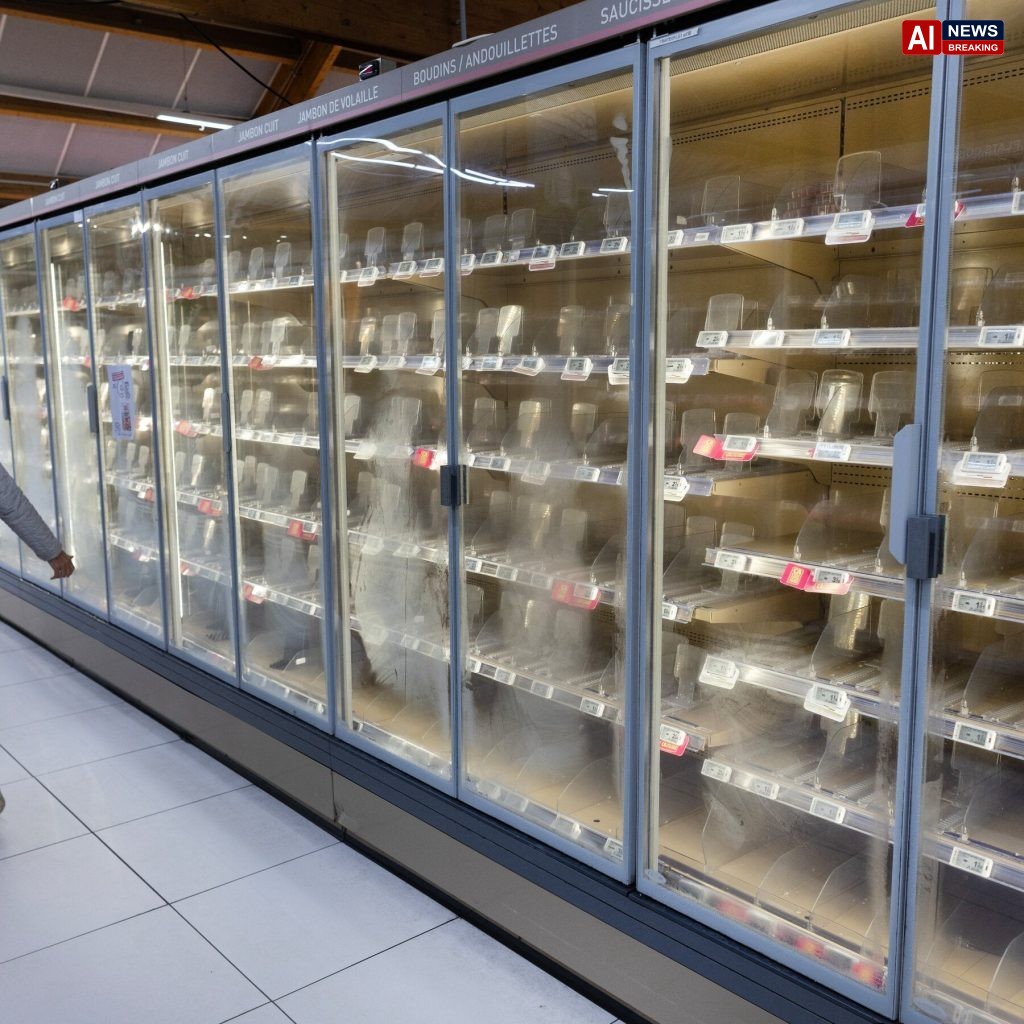
The sudden failure of refrigeration units in a string of supermarkets across Europe on Monday has revived concerns about the security of food‑supply chains in an era of increasingly sophisticated cyber threats. While retailers initially blamed power‑grid fluctuations and mechanical wear, several national authorities have now opened investigations into the possibility that coordinated hacking attempts are responsible for the widespread loss of temperature control in cold‑storage facilities. The incidents, which have forced stores to discard perishable goods worth millions of euros and have left consumers scrambling for fresh produce, come at a time when governments and the military in the United States are also scrutinising the vulnerability of critical infrastructure to digital intrusion.In the United Kingdom, the Food Standards Agency (FSA) issued an urgent notice to supermarkets, urging them to conduct immediate checks of their freezer and refrigeration systems and to report any anomalies to the National Cyber Security Centre (NCSC)..
Similar advisories were released in Germany, France, and the Netherlands, where supermarket chains reported that temperature sensors had abruptly triggered alarms, causing automatic shutdowns of cooling compressors. According to a spokesperson from the German Federal Office for Information Security (BSI), the pattern of failures suggests a “simultaneous, external influence” rather than isolated equipment faults. The BSI is coordinating with the European Union Agency for Cybersecurity (ENISA) to analyse logs from the affected sites and to determine whether malicious code was introduced into the control systems.The technical details emerging from the investigations point to a potential compromise of industrial control systems (ICS) that manage the refrigeration cycles in large‑scale cold rooms..
These systems often rely on legacy software that communicates over network protocols such as Modbus and OPC-UA, which, while widely used, can be vulnerable if not properly segmented from corporate IT networks. Preliminary forensic examinations of the affected equipment have revealed unusual outbound traffic to IP addresses located in regions known for hosting botnets and other illicit activity. Although the data is still being verified, cybersecurity experts warn that a malicious actor could have exploited these connections to issue commands that override temperature set points, effectively turning off compressors or opening valves.The European Union’s Directorate‑General for Cybersecurity has expressed alarm at the scale of the disruptions, noting that they occurred within a narrow time window of less than fifteen minutes across multiple countries..
“If these events are indeed the result of coordinated cyber operations, they demonstrate a frightening ability to target physical processes that are essential for public health,” the agency wrote in a statement. The EU is now accelerating its ongoing “Cyber Resilience for Critical Infrastructure” programme, which aims to harden supply‑chain assets against similar attacks by promoting the adoption of zero‑trust architectures and mandatory patch‑management cycles for industrial devices.Across the Atlantic, the United States is watching the European developments with a keen eye. The Department of Defense’s Cyber Command (USCYBERCOM) has convened a joint task force with the Department of Homeland Security’s Cybersecurity and Infrastructure Security Agency (CISA) to assess whether the tactics observed in Europe could be replicated against U.S..
Military cold‑storage facilities, which house everything from field rations to vaccine stockpiles, rely on similar refrigeration technology. A senior officer briefed to the press on Tuesday said that “any successful intrusion into civilian supply chains provides a playbook that adversaries could adapt for military purposes, potentially compromising operational readiness.”Industry insiders suggest that the timing of the attacks may be linked to geopolitical tensions surrounding the ongoing conflict in Eastern Europe and the broader competition for technological dominance between Western nations and state‑backed cyber groups. A report from a leading cybersecurity firm, released last week, identified a cluster of threat actors with a history of targeting energy and manufacturing sectors in Europe, employing ransomware and wiper malware that can disrupt physical processes..
While the firm stopped short of naming a specific group, it noted that the code observed in the freezer incidents bore a resemblance to previously documented toolsets used by a Russian‑linked collective known for exploiting industrial protocols.Retailers, meanwhile, are grappling with the immediate fallout. In France, a major hypermarket chain announced that it had to discard over 10,000 kilograms of meat, dairy, and frozen vegetables, resulting in an estimated loss of €12 million. The chain’s chief operating officer warned that “the financial hit is only part of the story; the erosion of consumer confidence could have longer‑term repercussions for the entire sector.” Similar statements have emerged from British and German chains, which are now accelerating the rollout of backup generators and redundant cooling systems to mitigate the risk of future disruptions.Consumer advocacy groups have called for greater transparency about the nature of the threat and for stronger regulatory oversight..
A coalition of European consumer organisations submitted a petition to the European Parliament demanding that legislators enact mandatory cybersecurity standards for all cold‑chain operators, akin to those already imposed on energy providers and water utilities. Their argument rests on the premise that food safety is a public good, and that the failure of refrigeration units not only threatens economic losses but also poses health risks if spoiled products reach the market.In response, the European Commission has announced a provisional framework that would require all entities handling perishable goods to conduct regular cyber‑risk assessments and to certify that their control systems meet a baseline of security controls, including network segmentation, multi‑factor authentication for remote access, and continuous monitoring for anomalous command patterns. The draft legislation, expected to be debated later this year, would also create a dedicated reporting channel for supply‑chain operators to share incident data with national CERTs (Computer Emergency Response Teams) in real time.The unfolding situation underscores a broader shift in how security professionals view the interface between the digital and physical worlds..
Where once cyber attacks were largely confined to data theft or financial fraud, the current trend points to an emerging “cyber‑physical” threat landscape where the manipulation of machinery can have direct, tangible impacts on daily life. Academic researchers at a leading European university have warned that as the Internet of Things (IoT) proliferates within industrial settings, the attack surface expands dramatically, making it more difficult for traditional IT security teams to detect and respond to breaches that occur at the level of sensors and actuators.Nevertheless, some experts caution against a rush to attribute the freezer failures solely to malicious hacking. Mechanical failures, power‑quality issues, and human error remain common culprits in refrigeration breakdowns, and the pressure to find a high‑profile explanation can sometimes lead to premature conclusions..
An independent auditor commissioned by a consortium of European supermarkets has highlighted that several of the affected sites had delayed software updates on their PLC (Programmable Logic Controller) units, a known vulnerability that can be exploited without sophisticated tools. The auditor’s interim report suggests that a combination of outdated firmware and inadequate network isolation.
Updated: November 2, 2026
The frantic scramble to patch legacy refrigeration controls reveals a larger truth: supply‑chain security has become the new battleground for state‑level influence, where a single botnet‑driven glitch can ripple into national food‑safety crises. If regulators fail to enforce hardening standards, the same cyber‑physical playbook that ruined supermarkets could soon turn military logistics into a high‑stakes target, eroding public trust in both civilian and defence infrastructure.