A Corruption Scandal Is Reshaping Brazil’s Presidential Election
  US citizen injured in Illinois after ICE agents mistook him for fugitive, tried to arrest him
  At 10 years old, Smithsonian’s Black museum is undaunted amid pressure from Trump administration
  Beleaguered at Home, a Bellicose Netanyahu Heads to the U.N.
  Family to release cellphone report in Nolan Wells case
 Australia tightens visa rules for students, visitors and workers: Key changes explained
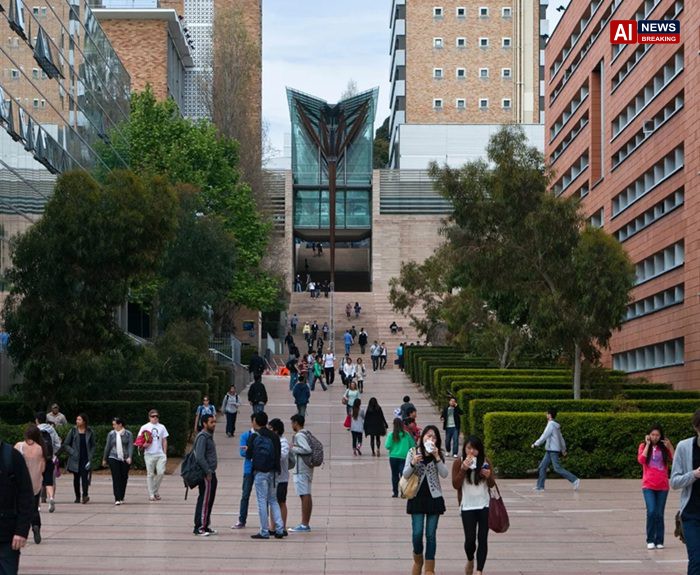
Proposed Australian Migrant Work Rules Trigger Widespread Opposition - AI News Breaking
Australia has announced a fresh set of migration measures affecting student, visitor, skilled migration and working holiday visas, with the changes to be rolled out progressively over the next 12 months. The new framework seeks to tighten controls on temporary entrants while preserving the country’s reputation as a destination for education and tourism, according to the Department of Home Affairs. The policy package includes adjustments to visa eligibility, application processing, health and character requirements and enforcement powers for immigration officers.Central to the package is the introduction of a “points-based” system for students arriving on temporary visas..
While the existing points framework has primarily applied to skilled migrants, the new rule will apply to international students who enroll in courses lasting more than two years. Applicants will need to accumulate a minimum of 70 points, calculated from factors such as English proficiency, age, occupational field and previous employment experience. The points threshold is intended to encourage students whose skills align with Australian labour market needs, especially in science, technology, engineering and mathematics..
However, educators warn that the extra hurdle could push some candidates toward alternative study destinations, potentially impacting enrolment figures at Australian universities.Visitor visas will also see a tightening of conditions. The visa subclass 600, which covers tourism and business visits, will now require applicants to submit a detailed itinerary and proof of financial means covering the entire duration of stay. The new rule will introduce a “risk assessment” process, whereby applicants from high‑risk countries may be subject to additional scrutiny..
While the Australian government argues that such measures protect national security and reduce illegal stay, opposition parties have raised concerns about the potential to discriminate against travellers from certain regions and to increase administrative costs for both consulates and applicants.The working holiday visa, which has traditionally offered young people from a limited set of partner countries the chance to work and travel across the country, will undergo a change in the eligibility age range and financial thresholds. The minimum age has been lowered from 18 to 16 for most participating nations, while the maximum age has been raised from 30 to 35, allowing a broader cohort of youth to benefit from the program. Simultaneously, the financial requirement has been increased from AUD 5,000 to AUD 7,000 to demonstrate that applicants can support themselves in the early stages of their stay..
Critics argue that the higher cost may deter low‑income students and limit the diversity of participants, while proponents say it reduces the likelihood of financial hardship and subsequent reliance on public assistance.The skilled migration stream will see the introduction of a “skill shortage list” that will be updated annually by the Department of Home Affairs in consultation with industry stakeholders. This list will identify occupations that experience persistent shortages and will give preferential treatment to applicants in those fields. In addition, applicants will be required to provide evidence of their current employment status and a letter of recommendation from their employer..
The new rule also introduces a cap on the number of visas issued in any given month for high‑demand occupations, a move intended to prevent market distortion and protect domestic workers.Health and character requirements will be tightened across all visa categories. Applicants will need to undergo an expanded medical examination covering a broader range of conditions, including mental health assessments. The new policy will also broaden the definition of “serious character” offences to include non‑violent domestic abuse, allowing immigration authorities to deny visas to applicants who have been found guilty of such offences..
The expansion of character checks reflects the government’s commitment to ensuring that temporary residents do not pose a risk to public safety and welfare. However, civil libertarians caution that the expanded criteria could unfairly exclude individuals who have reformed after past mistakes.A significant element of the policy package is the introduction of “digital visa portals” that will enable real‑time tracking of application status, automated eligibility checks and a new biometric verification system. The digital portals are expected to reduce processing times by an estimated 25 per cent, according to the Home Affairs Department..
However, concerns have been raised about data security, with privacy advocates demanding robust safeguards against the misuse of biometric and personal data.To support the implementation of the new rules, the government has announced a series of training programmes for immigration officers and overseas consular staff. These programmes will cover the updated points calculations, risk assessment protocols, and enforcement procedures. The Department of Home Affairs has also allocated additional resources to high‑risk consulates, particularly those in the Middle East and Southeast Asia, where visa processing volumes are highest..
The training initiative aims to reduce the incidence of fraudulent applications and to streamline compliance checks at border entry points.The policy rollout will be phased, with the points-based system for students becoming active on 1 January 2025, the visitor visa changes coming into force on 1 July 2025, and the working holiday adjustments on 1 January 2026. The skilled migration and health and character reforms will be implemented on 1 March 2025. The Department has indicated that any adjustments will be reviewed annually, with the possibility of further refinements to respond to economic conditions and global migration trends.The Australian Parliament has already begun to debate the implications of the new visa rules..
In the Senate, the opposition leader has called for a comprehensive review of the points system, arguing that it could undermine Australia’s position as a global education hub. In the House of Representatives, the government spokesperson defended the changes as necessary to maintain national security and protect domestic labour markets, citing the growing global competition for talent and the need for rigorous border controls. The debate is likely to continue through the remainder of the fiscal year, with stakeholders from education, tourism and industry sectors offering their perspectives.Industry groups have welcomed the skill shortage list, noting that it aligns with the Australian Skills Quality Framework and will facilitate a more targeted recruitment of professionals in critical sectors such as healthcare, digital technology and renewable energy..
The Australian Chamber of Commerce has highlighted the potential for increased productivity if the government can attract and retain high‑skill talent, especially in regions where labour shortages have hindered growth. Conversely, several small business associations have raised concerns that the new visa caps could limit the availability of seasonal workers, particularly during peak agricultural periods.The education sector is grappling with the practical implications of the points threshold for students. Universities have already begun to adjust their recruitment strategies, placing greater emphasis on attracting applicants from high‑points categories..
The Australian Council for International Student Affairs has warned that the additional administrative burden could result in longer processing times for students, potentially affecting enrolment deadlines. At the same time, the policy is expected to reduce the number of “low‑skill” student entrants, a trend that has been observed in the past decade as foreign student numbers have risen.The working holiday reforms have been met with a mixed response from the youth community. While some young people welcome the opportunity to work in a broader range of occupations and to stay in.
Updated: September 23, 2026
Australia has rolled out a sweeping migration overhaul that tightens visa eligibility, introduces a points‑based system for long‑term students, raises financial thresholds for working holiday holders and expands health and character checks across all temporary entrants. The changes, phased over the next year, aim to curb illegal stays and align talent inflows with labour market needs while sparking debate over potential impacts on education, tourism and worker supply.