 Behind India’s record performance at International Math Olympiad 2024
  El Al flight
  Brazil bans online gambling ahead of election.
  Medical helicopter crashes into Pacific, killing two crew members
 Brazil bans online gambling ahead of election.
As Brazil heads to the polls, President Lula’s last‑minute decree outlawing online gambling has ignited controversy. While supporters cite consumer protection, critics warn of lost tax revenue and enforcement challenges amid a soaring public debt that now tops 94 % of GDP. The clash between regulation and fiscal needs could shape voter sentiment and Brazil’s economic trajectory.
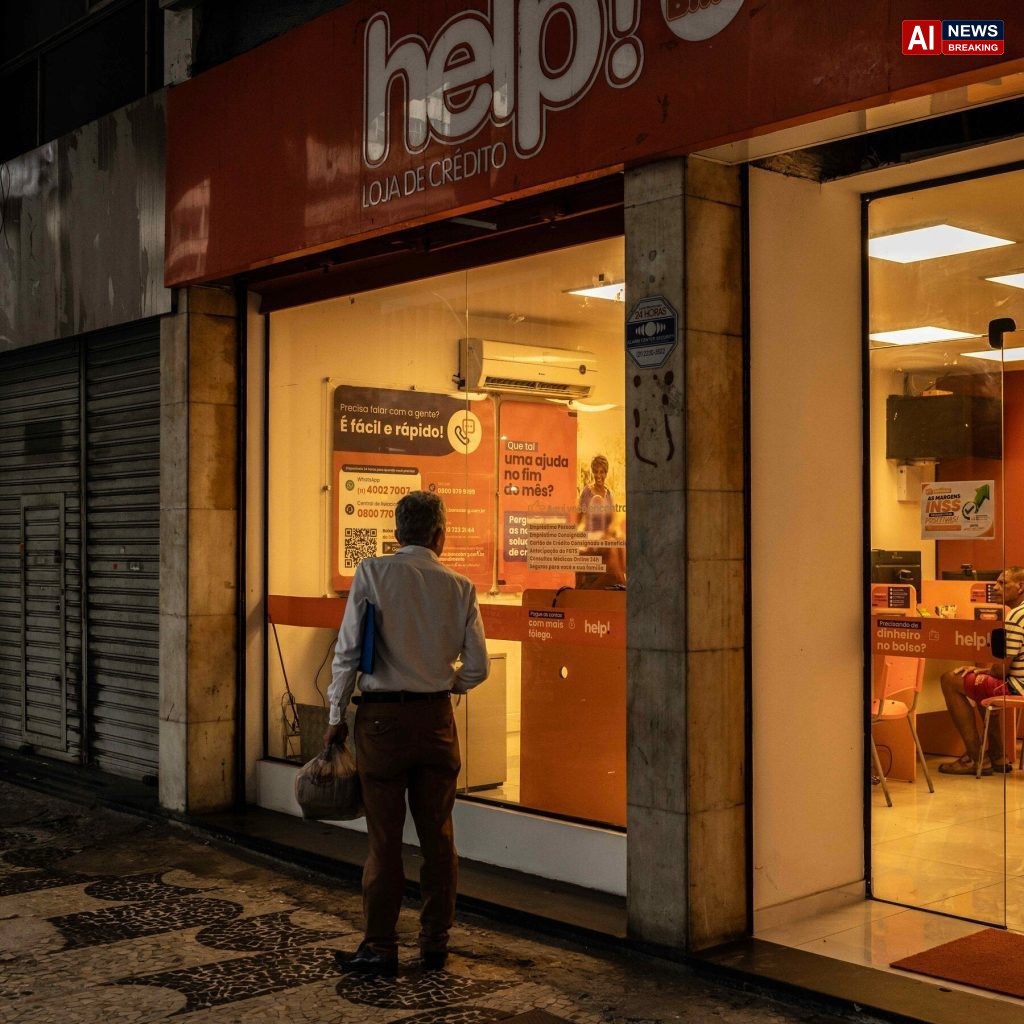
One Issue Hanging Over Brazil’s Presidential Election: Online Gambling and Record-High Debts - AI News Breaking
The Brazilian electorate will go to the polls on Sunday with a slate of entrenched concerns and fresh policy moves shaping voter sentiment, but perhaps none looms larger than the twin spectres of a newly imposed ban on online gambling and a public debt that has surged to unprecedented levels. Both issues cut across socioeconomic strata, affecting the poorest households and the affluent alike, and they intersect with broader debates over fiscal responsibility, social protection and the role of the state in regulating digital markets.President Luiz Inácio Lula da Silva’s decision to prohibit online gambling was announced just days before the election, a timing that has sparked vigorous discussion in the media and among policy analysts. The decree, signed on Thursday, criminalises the operation and promotion of digital gambling platforms that have proliferated in recent years, citing concerns about addiction, money laundering and the erosion of family finances..
While the measure enjoys support from certain social groups and religious organisations, it also about enforcement capacity, potential loss of tax revenue and the impact on a nascent sector that had begun to contribute to the formal economy.Proponents of the ban argue that Brazil’s regulatory framework has lagged behind the rapid expansion of internet‑based betting, poker and casino games, leaving many consumers vulnerable to predatory practices. A 2023 study by the Federal University of São Paulo estimated that roughly 2.8 million Brazilians had engaged in some form of online gambling in the previous year, with a significant share reporting financial strain as a result. The government’s move, according to the Ministry of Economy, is intended to protect citizens from the “hidden costs” of digital wagering, which can be more difficult to monitor than traditional, brick‑and‑mortar establishments.Critics, however, contend that the ban may be more symbolic than effective..
Enforcement would require coordination between the Federal Police, the tax authority and the judiciary, all of which are already stretched thin by a backlog of cases related to corruption and organized crime. Moreover, the decree does not address the underlying demand for gambling services, which many argue could simply shift to offshore operators that remain beyond the reach of Brazilian law. Industry observers point out that, before the ban, the sector was projected to generate upwards of 3 billion reais in annual tax receipts, a sum that could help offset the nation’s ballooning fiscal deficit.That deficit, which now stands at a record‑high 94 percent of gross domestic product, is the other dominant issue on voters’ minds..
The public debt, which climbed to 6.8 trillion reais in the last quarter, has forced the government to adopt austerity measures that have sparked protests across major cities. Health and education budgets have been trimmed, while social assistance programmes have faced tighter eligibility criteria. For many families, the combination of higher interest rates and rising inflation has translated into a shrinking real income, eroding purchasing power and deepening inequality.The fiscal crunch has also intensified scrutiny of the Lula administration’s economic strategy..
While the president’s advisers argue that a modest increase in public spending is essential to revive growth after the pandemic, opposition parties accuse the government of fiscal irresponsibility, warning that unchecked borrowing could trigger a sovereign debt crisis. International rating agencies have already downgraded Brazil’s credit outlook, citing the “high debt burden and limited fiscal space” as key risk factors. The debate is further complicated by the fact that Brazil’s debt-to‑GDP ratio has not only surpassed previous peaks but also outstripped that of many emerging market peers.In the run‑up to the election, candidates from both the Workers’ Party and the centre‑right coalition have pledged divergent solutions..
Lula’s campaign stresses the need for progressive taxation and targeted public investment, particularly in infrastructure and renewable energy, to stimulate job creation and increase revenue. By contrast, his main challenger, former president Jair Bolsonaro, has campaigned on a platform of fiscal tightening, promising to freeze public wages and curb social spending in order to restore confidence among investors. Both narratives hinge on the assumption that voters will prioritise either growth or stability when casting their ballots.The intersection of online gambling and debt relief is not purely theoretical..
Several policy proposals on the table suggest that a regulated digital gambling market could become a source of fiscal revenue, earmarked for debt repayment or social programmes. In 2022, a draft bill to legalise and tax online betting was debated in Congress, with estimates that the sector could contribute between 1.5 and 2 percent of GDP in tax proceeds over the next decade. The recent ban, however, has effectively shelved those discussions, at least for the immediate future, and left the potential fiscal upside untapped.Public opinion polls conducted after the ban indicate a divided electorate..
A survey by Ibope in early September showed that 42 percent of respondents supported the prohibition, citing moral and consumer‑protection arguments, while 38 percent opposed it, emphasising personal freedom and the economic benefits of a regulated market. The remaining 20 percent were undecided, reflecting broader ambivalence towards both the policy and the country’s debt trajectory. Analysts note that voter attitudes may shift as the election approaches, especially if candidates use the issues to mobilise their bases.Beyond the numbers, the human dimension of these policy choices is palpable..
In the northeastern state of Ceará, a mother of three described how a modest win on a mobile betting app had turned into a cascade of loans, culminating in the loss of her home. In São Paulo’s financial district, a senior economist warned that the nation’s debt service costs are set to consume an ever‑larger share of the federal budget, potentially crowding out essential public services. These stories, while anecdotal, illustrate the divergent ways in which the gambling ban and the debt crisis intersect with everyday life.As Brazil heads to the polls, the outcome will determine how the government balances the competing imperatives of protecting citizens, sustaining public finances and fostering economic dynamism..
Whether the new administration will revisit the ban on online gambling, seek to legalise and tax the sector, or pursue a more aggressive debt‑reduction agenda remains to be seen. What is clear, however, is that both issues have already reshaped the political discourse, compelling candidates to articulate concrete plans for a country that is simultaneously grappling with a moral quandary and a fiscal mountain.In the days following the election, observers will be watching closely for any sign that the new leadership will attempt to reconcile these challenges. A pragmatic approach could involve a phased regulation of online gambling, coupled with a transparent debt‑management strategy that prioritises growth‑enhancing investments while maintaining fiscal discipline..
Conversely, a continuation of the current hardline stance on both fronts could deepen public discontent and risk further economic instability..
Updated: October 1, 2026
Brazil’s gamble‑ban is a political shortcut that trades a potential revenue stream for short‑term moral wins, a trade‑off voters may regret when debt service swallows more of the budget.
If Lula’s team can turn the ban into a phased, taxed market, the same digital arena