Indonesia denies foreign claim to rescued orangutans
 Turkey hosts COP31 climate talks in Antalya.
 Pope meets Argentine bishops.
 APOD: 2026 November 8 – Major Fireball Meteor
 Indonesian Horror Hit ‘Pabrik Gula’ Gets 2028 Sequel as MD Entertainment Lines Up Three Imax Films
Cancer 360: Overview of Detection, Treatment, Palliation
**
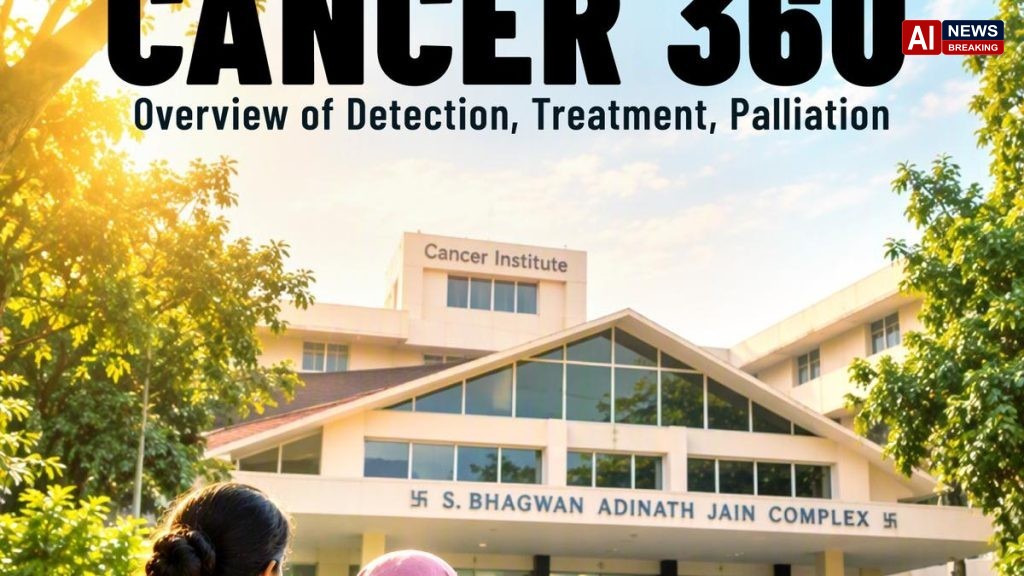
Cancer 360: Overview of Detection, Treatment, Palliation - AI News Breaking
cancer overview detection treatment:
The fight against cancer has evolved from a single‑track battle focused on tumour removal to a multifaceted approach that spans early detection, targeted therapies, and comprehensive palliative care. This shift reflects advances in molecular biology, imaging technology and a growing understanding of the disease’s social and psychological dimensions. While the incidence of some cancers continues to rise, mortality rates have fallen in many high‑income countries, underscoring the impact of coordinated strategies that address the whole patient rather than just the tumour..
The e‑book “Cancer 360” collates the latest evidence and practice guidelines across the spectrum of care, offering a panoramic view of how modern oncology functions as an integrated system.Detection now begins long before symptoms appear, with screening programmes tailored to specific cancers and risk groups. Population‑based mammography, low‑dose CT scans for high‑risk smokers and HPV testing for cervical disease have become entrenched in many national health services, reducing late‑stage diagnoses and improving survival. In parallel, advances in liquid biopsy—analysis of circulating tumour DNA and other biomarkers in blood—promise earlier identification of malignancies that lack effective screening tools..
However, the expansion of testing raises concerns about overdiagnosis, false positives and the psychological burden on patients awaiting confirmatory results. Policymakers are therefore urged to balance the benefits of early detection with the costs and potential harms of unnecessary interventions.Once a tumour is identified, the treatment paradigm has shifted from a one‑size‑fits‑all model to precision medicine. Genetic profiling of tumours can reveal mutations that are susceptible to targeted agents, such as EGFR inhibitors in non‑small cell lung cancer or HER2‑directed therapies in breast cancer..
Immunotherapy, which harnesses the body’s own immune system to attack cancer cells, has transformed outcomes for melanoma, renal cell carcinoma and several other malignancies. Yet these innovations are not universally accessible; disparities in genomic testing, drug availability and specialist expertise persist between urban and rural areas, and between wealthier and less affluent nations. The e‑book highlights the importance of establishing equitable pathways that ensure patients can benefit from cutting‑edge therapies regardless of geography or socioeconomic status.Surgical techniques have likewise benefited from technological progress..
Minimally invasive approaches, including laparoscopic and robotic surgery, reduce postoperative pain and shorten hospital stays, while image‑guided navigation systems increase precision in tumour resection. Multidisciplinary tumour boards—comprising surgeons, medical and radiation oncologists, pathologists and radiologists—facilitate coordinated decision‑making that tailors treatment sequences to individual patient profiles. Evidence suggests that such collaborative models improve adherence to guidelines and enhance survival, particularly for complex cases where curative intent hinges on the timing and combination of modalities.Radiotherapy has become more refined through intensity‑modulated and image‑guided delivery, allowing higher doses to be concentrated on malignant tissue while sparing surrounding healthy structures..
Proton therapy, though still limited by high capital costs, offers further dose reduction for paediatric cancers and tumours adjacent to critical organs. The e‑book discusses ongoing trials that compare conventional photon therapy with proton beams, seeking to establish whether the theoretical advantages translate into measurable reductions in long‑term side effects and secondary malignancies.Despite these advances, a substantial proportion of patients will experience disease progression or recurrence, underscoring the need for robust palliation. Modern palliative care extends beyond pain management to address breathlessness, fatigue, nutritional concerns and the emotional toll of living with cancer..
Early integration of palliative services—often concurrent with active treatment—has been shown to improve quality of life, reduce hospital admissions and even prolong survival in some cohorts. The text emphasizes the role of multidisciplinary teams that include palliative physicians, nurses, social workers and spiritual care advisors, ensuring that care plans reflect patient values and cultural preferences.The psychosocial dimension of cancer care is increasingly recognised as integral to outcomes. Survivorship programmes now incorporate mental health screening, vocational rehabilitation and peer support groups, aiming to mitigate the long‑term effects of treatment such as cognitive impairment, cardiotoxicity and secondary cancers..
Digital health platforms, ranging from teleconsultations to mobile applications that track symptoms, are expanding access to follow‑up care, particularly for individuals in remote locations. However, concerns about data privacy, digital literacy and the digital divide remain, prompting calls for standards that protect patient information while fostering inclusive innovation.Economic considerations permeate every stage of the cancer journey. The cost of novel agents, especially combination regimens and checkpoint inhibitors, can strain public health budgets and outpace the capacity of insurance schemes in low‑ and middle‑income countries..
Health technology assessments, cost‑effectiveness analyses and value‑based pricing models are therefore essential tools for decision‑makers seeking to allocate resources responsibly. The e‑book outlines strategies for negotiating drug prices, encouraging generic competition and implementing outcome‑based reimbursement, all aimed at sustaining affordable access without compromising therapeutic advancement.Education and research form the backbone of the 360‑degree approach. Training programmes now incorporate genomics, bioinformatics and patient‑centred communication into curricula for oncologists, nurses and allied health professionals..
Clinical trials are increasingly designed with adaptive protocols that allow real‑time modifications based on emerging data, accelerating the translation of discoveries into practice. International collaborations, such as data‑sharing consortia and multinational registries, enrich the evidence base and enable benchmarking across health systems. By fostering a culture of continuous learning, the oncology community can respond more swiftly to evolving disease patterns and therapeutic opportunities.In sum, the landscape of cancer care has broadened from a narrow focus on tumour eradication to a comprehensive ecosystem that integrates detection, personalised treatment, supportive care and socioeconomic stewardship..
The “Cancer 360” e‑book synthesises current knowledge and highlights gaps that demand attention, from equitable access to emerging technologies to the seamless incorporation of palliative services. As health systems grapple with rising demand and constrained resources, the holistic model presented offers a blueprint for delivering high‑quality, patient‑centred oncology that is both scientifically rigorous and socially responsible..
Updated: October 27, 2026
Modern oncology has shifted from sole tumour removal to an integrated 360‑degree model that blends early detection, precision therapies, advanced surgery and radiotherapy, and holistic palliative care. The new “Cancer 360” e‑book outlines this comprehensive approach while urging equitable access, cost‑effective policies and multidisciplinary coordination to sustain high‑quality, patient‑centred cancer treatment.