 Australia probes AI‑driven breach of My Health Record portal
  Engineering student’s ‘suicide’ turns out to be murder; two arrested
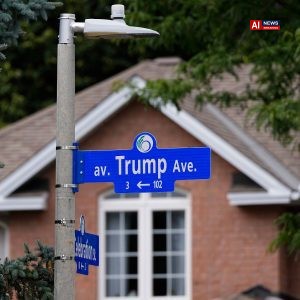
  Canada’s Capital Bids Good Riddance to Trump Avenue as Tensions With U.S. Rise
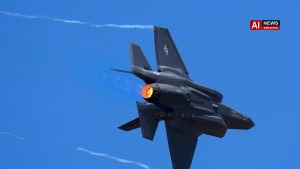
  Pentagon investigates after China obtains parts from F-35 stealth fighter jet
 China warns against linking tariffs to Russian oil purchases, says it will not accept ‘long-arm jurisdiction’
**
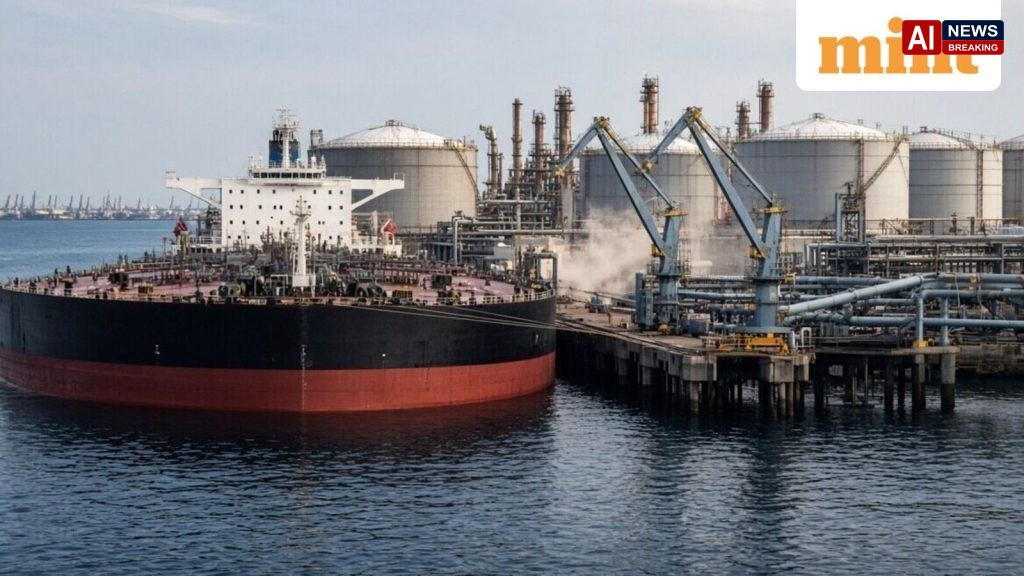
China warns against linking tariffs to Russian oil purchases, says it will not accept ‘long-arm jurisdiction’ - AI News Breaking
China has issued a stark warning to the United States after the House of Representatives approved the Lindsey O. Graham Sanctioning Russia and Iran Act 2026, a measure that would give the president authority to impose sweeping tariffs on countries that import Russian oil and gas. Beijing described the proposal as an overreach of “long‑arm jurisdiction” and cautioned that any attempt to tie tariffs to Russian energy purchases would “undermine the rules‑based international trading system” and could provoke counter‑measures that would affect global markets.The legislation, which passed the House with a narrow majority, would allow the president to levy tariffs of up to 30 per cent on imports of oil, liquefied natural gas and refined petroleum products from any nation that continues to buy Russian energy after a specified deadline..
In addition, it would give the administration the power to sanction financial institutions that facilitate such transactions, effectively cutting off access to the U.S. financial system for firms deemed to be “supporting Russia’s war effort.” The bill, championed by Republican senators and backed by a coalition of energy‑dependent states, is framed as a tool to pressure Moscow into ending its invasion of Ukraine while also signalling Washington’s resolve to defend its allies.Beijing, however, has rejected the premise that a sovereign nation can unilaterally impose economic penalties on third parties for conducting lawful trade with a third state. In a statement released by the Ministry of Commerce, senior official Wang Wentao said the United States was attempting to “export its own geopolitical agenda through economic coercion” and that such actions “contravene the principles of the World Trade Organization and the United Nations Charter.” Wang warned that China would “resist any attempts to use tariffs as a weapon of political pressure” and would consider “appropriate measures to safeguard the legitimate rights and interests of Chinese enterprises and the broader Chinese economy.”The warning follows a series of U.S..
moves aimed at choking off revenue streams that Russia relies on to fund its military campaign. Since February 2022, Washington has layered sanctions on Russian banks, state‑owned enterprises and oligarchs, while also coordinating with European allies to restrict the flow of high‑technology components that could be used in weapons production. The new House bill, however, marks a shift from targeting Russian entities directly to penalising third‑party buyers, a strategy that analysts say could have far‑reaching implications for global energy markets.Energy analysts note that the proposed tariffs could destabilise the delicate balance of supply and demand that has emerged since the war began..
Europe, still heavily reliant on Russian gas despite a concerted push for diversification, could see import costs rise sharply if the tariffs are applied to the continent’s remaining purchases. Meanwhile, Asian economies that have turned to Russia as a cheaper alternative to Western supplies might also face higher prices, prompting a re‑evaluation of long‑term contracts and potentially accelerating a shift towards renewable sources.China, which is the world’s largest importer of oil and a major consumer of natural gas, has been careful to maintain a neutral stance on the conflict in Ukraine, calling for dialogue and a negotiated settlement. Nonetheless, Beijing has cultivated a pragmatic relationship with Moscow, encompassing energy trade, infrastructure projects and strategic coordination on issues ranging from North Korea to the United Nations..
In 2023, Russia became China’s second‑largest source of crude oil, accounting for roughly 12 per cent of China’s total imports, while Chinese firms have invested heavily in Russian pipelines and refineries.The prospect of U.S. tariffs could force Chinese companies to reassess the economics of their Russian dealings. State‑owned oil giant Sinopec and private refiner PetroChina have both built supply chains that depend on Russian crude, and any additional cost imposed by Washington could erode profit margins..
“If the United States tries to weaponise tariffs against our energy purchases, Chinese firms will have to weigh the risk of higher costs against the strategic importance of the Russian market,” said Liu Ming, a senior fellow at the Shanghai Institute for International Studies. “We expect Beijing to take a measured approach, possibly seeking diplomatic channels to mitigate any punitive measures.”Washington’s approach reflects a broader trend among Western capitals to broaden the scope of sanctions beyond direct state actors. By targeting “major buyers” of Russian energy, U.S..
lawmakers aim to cut off the revenue that sustains the Kremlin’s war machine, while also sending a signal to other potential purchasers that continued trade carries financial consequences. Critics, however, argue that such extraterritorial measures could set a dangerous precedent, effectively allowing the United States to dictate the trade policies of sovereign nations.Legal scholars echo this concern, pointing out that the proposed tariffs could clash with established WTO rules that prohibit discrimination against foreign products and mandate transparent, predictable trade policies. “The United States is essentially extending its domestic sanction regime into the global marketplace,” said Professor Emily Chen of Georgetown Law..
“If upheld, it could open the floodgates for other major economies to adopt similar tactics, eroding the multilateral trading system that has underpinned global growth for decades.”In response to the House bill, senior U.S. officials have emphasized that the measure is not intended to target China specifically, but rather to apply pressure uniformly on any nation that continues to purchase Russian energy. “Our aim is to create a level playing field,” said a spokesperson for the Department of Commerce, who declined to be named..
“If a country decides to buy Russian oil in defiance of the sanctions, it must be prepared to face the consequences, irrespective of its size or strategic importance.”The diplomatic fallout from the legislation could manifest in a range of arenas, from bilateral trade talks to broader geopolitical negotiations. China’s foreign ministry has signalled that it will raise the issue in upcoming multilateral forums, including the G20 and the WTO, where it plans to rally support from other emerging economies that view U.S. extraterritorial sanctions with suspicion..
Meanwhile, European nations, still heavily dependent on Russian energy but also keen to maintain strong ties with Washington, find themselves walking a tightrope between solidarity with allies and protecting their own energy security.As the House prepares to send the bill to the Senate for consideration, the timing of any potential enactment remains uncertain. The Senate, controlled by the opposition party, is expected to scrutinise the proposal closely, weighing the geopolitical benefits against possible retaliatory measures from Beijing and the broader economic impact on global markets. In the interim, both sides appear poised for a diplomatic contest that could reshape the architecture of sanctions and trade in the post‑Cold War era.Regardless of the legislative outcome, the episode underscores the increasingly intertwined nature of energy, finance and geopolitics..
With the world still grappling with the aftershocks of Russia’s invasion of Ukraine,.
Updated: September 17, 2026
China warned Washington that the House‑passed bill authorising up to 30% tariffs on nations buying Russian oil and gas oversteps WTO rules and could trigger retaliatory measures, urging Beijing to protect its firms and the broader economy. The legislation, aimed at cutting Russia’s war financing, raises fresh concerns about extraterritorial sanctions and could destabilise global energy markets as Europe and Asia weigh higher costs.
U.S. attempts to weaponise tariffs against Russian energy buyers risk fracturing the WTO‑based order, prompting a backlash that could spawn a new era of reciprocal extraterritorial sanctions and destabilise global supply chains.
If Beijing counters decisively, the clash may accelerate a strategic pivot toward diversified, renewable imports, reshaping the geopolitics of energy finance for decades to come.