
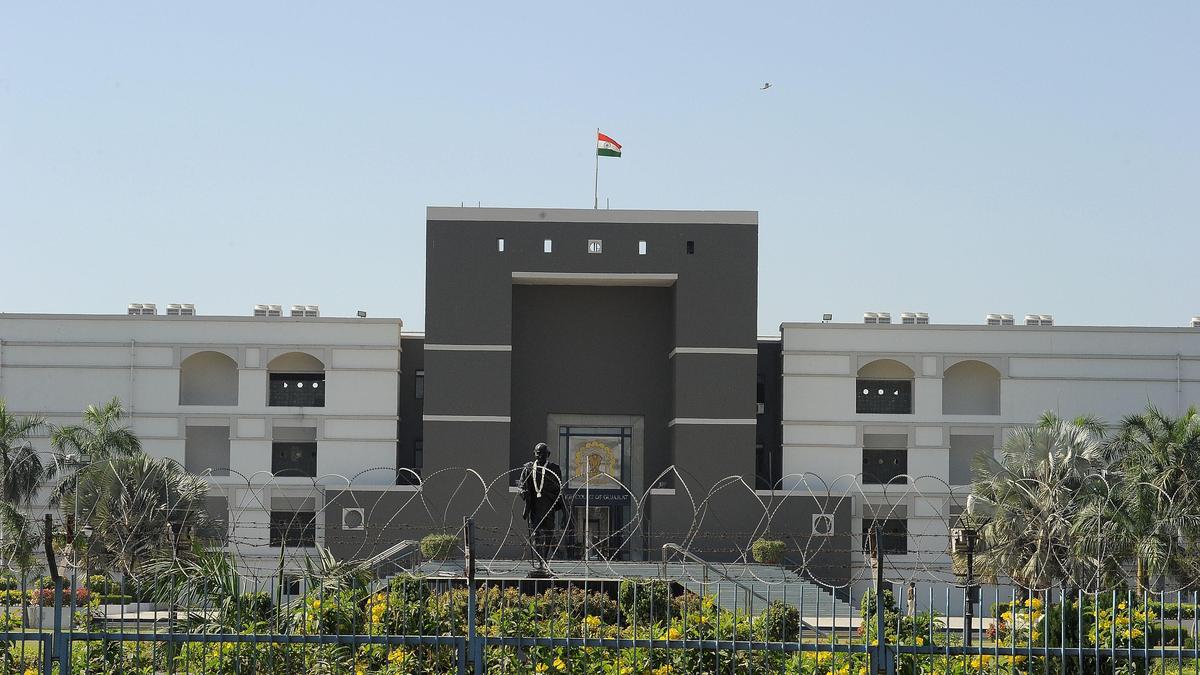
Courts Take a Stand on Artificial Intelligence: Gujarat HC Sets Precedent in AI Use Limitations
The Gujarat High Court has made a significant move by establishing guidelines that prohibit the use of artificial intelligence (AI) in decision-making and judgment drafting. A policy document released by the court emphasizes that AI cannot be used to author, generate, or substantially compose any judgment, final order, or binding legal ruling, even if reviewed by a judge at a later stage.
This development comes as a response to the increasing use of AI tools in various aspects of the judicial system. Courts around the world have been exploring the potential benefits of AI in automating tasks and improving efficiency. However, the Gujarat High Court’s stance highlights concerns about the potential risks associated with relying on AI in critical decision-making processes.
The policy document, which has been widely adopted by the court’s judges and staff, serves as a landmark decision in addressing the role of AI in the judicial system. It underscores the importance of human judgment and decision-making in high-stakes cases, where the outcome can have significant consequences for individuals and communities.
While the use of AI is not entirely prohibited in the court’s administrative tasks, its application in matters that require judicial discretion is strictly limited. This move is seen as a cautious approach to ensure that AI does not compromise the integrity and independence of the judiciary.
The decision by the Gujarat High Court is set to have a significant impact on the way courts elsewhere consider the use of AI in their processes. It serves as a timely reminder of the need for careful consideration and regulatory frameworks to govern the integration of AI in critical areas of governance.
By establishing this precedent, the Gujarat High Court is contributing to a global debate on the role of AI in the judiciary. As the use of AI technology continues to evolve, this decision is likely to influence the way courts worldwide navigate the complex issues surrounding its integration.
The policy document issued by the Gujarat High Court is a clear indication of its commitment to maintaining the highest standards of fairness, transparency, and accountability in the administration of justice.
This article may be prepared with the assistance of artificial intelligence (AI) and is reviewed before publication. While we aim for accuracy and timeliness, readers should verify important facts from official or primary sources. If you believe any information is inaccurate or that any content infringes your rights, please contact ainewsbreaking.com for review and appropriate action.