Europe warns of Russia’s hybrid attacks but struggles to counter them
  Former chief election commissioner calls SIR scheme illegal.
  A Corruption Scandal Is Reshaping Brazil’s Presidential Election
  US citizen injured in Illinois after ICE agents mistook him for fugitive, tried to arrest him
  At 10 years old, Smithsonian’s Black museum is undaunted amid pressure from Trump administration
 Cruise Ship Hantavirus Outbreak Spreads Across Netherlands and Americas.
A Hantavirus outbreak on a cruise ship has sparked international concern, with cases reported in several countries, highlighting the need for enhanced health screening and global cooperation to prevent the spread of infectious diseases.
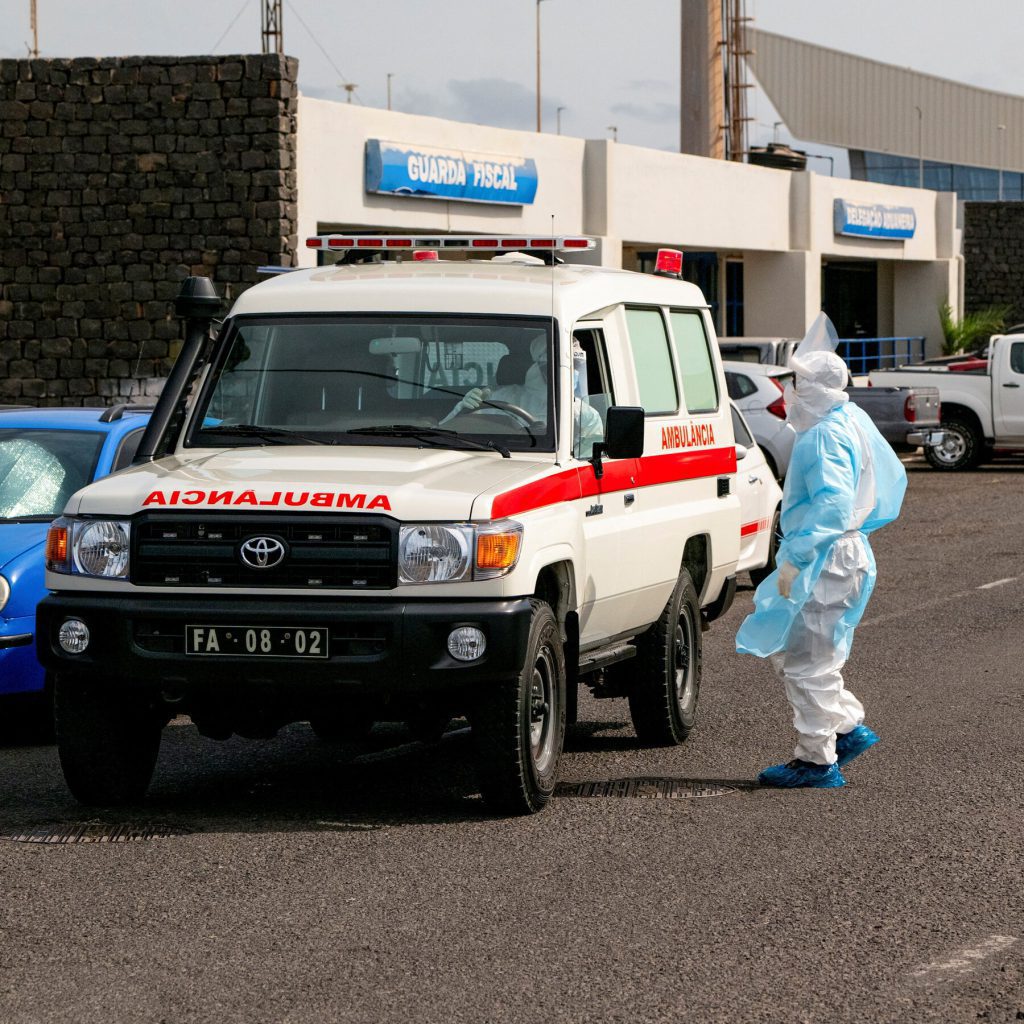
Dutch authorities are on high alert following a rare outbreak of Hantavirus on a cruise ship, with multiple cases now reported across several countries.
An investigation led by Dutch officials has implicated a flight attendant who recently came into contact with one of the infected passengers.
Updated: May 7, 2026
Dutch authorities are on high alert following a rare outbreak of Hantavirus on a cruise ship, with multiple cases now reported across several countries. An investigation led by Dutch officials has implicated a flight attendant who recently came into contact with one of the infected passengers. Details of the incident are beginning to emerge, revealing a complex web of global travel and potential health risks.
The outbreak is believed to have originated on board the cruise ship, which set sail from the United States and called at several ports in the Caribbean before docking in the Netherlands. One of the infected passengers, a 70-year-old woman, briefly stepped off the ship at an Amsterdam airport before she succumbed to the disease. Her body was subsequently isolated and cremated, but not before she had potentially exposed others to the virus.
The Hantavirus is a rare but deadly viral disease that can cause severe respiratory and kidney problems. Although it is primarily transmitted through contact with rodents and their droppings, experts warn that human-to-human transmission can occur through close proximity to an infected individual.
Health officials in the Netherlands have tested several individuals who came into contact with the deceased passenger, including the flight attendant, for the virus. So far, test results have been negative, but the public is on edge as a precautionary measure. We are taking this situation extremely seriously and are working closely with international partners to prevent further spread of the disease, said a spokesperson for the Dutch Ministry of Health.
The incident has raised concerns about the potential risks of Hantavirus transmission in the era of global travel. Cruise ships, in particular, have been identified as potential hotspots for the spread of infectious diseases due to their high passenger volumes and limited onboard medical facilities.
Experts point out that the Dutch authorities’ response to the crisis has been swift and effective, but more needs to be done to address the underlying issue. This incident highlights the urgent need for enhanced health screening measures at airports and ports of entry, particularly for high-risk areas, said a leading health expert.
As the investigation into the outbreak continues, global health authorities are urging the public to remain vigilant and take precautions to prevent the spread of Hantavirus. Symptoms of the disease include fever, headache, and muscle aches, which can resemble those of the flu or other respiratory conditions.
The Dutch authorities have issued a statement reassuring the public of their commitment to protecting public health, but many are left wondering whether more could have been done to prevent the outbreak. As investigations into the crisis continue, one thing is clear: the Hantavirus outbreak on the cruise ship serves as a stark reminder of the interconnectedness of the world and the risks that come with it.
With cases of Hantavirus now reported in several countries, the risk of further transmission is impossible to ignore. Global health authorities must take a proactive approach to addressing the issue, including implementing enhanced health screening measures and coordinating international responses to prevent the spread of the disease.
In the aftermath of this alarming outbreak, one question remains: what can be done to prevent similar crises in the future? By learning from this incident and taking swift action to address the issues, we can reduce the risk of future transmissions and protect public health on a global scale.
This incident highlights the need for global cooperation and proactive measures to prevent the spread of infectious diseases. The Hantavirus outbreak on the cruise ship serves as a stark reminder of the importance of investing in public health infrastructure and adopting a unified approach to addressing the challenges of global travel.
This Hantavirus outbreak on the cruise ship is a wake-up call for the global health community, emphasizing the need for seamless coordination and proactive measures to prevent the spread of infectious diseases across borders. As we navigate the complexities of an increasingly interconnected world, it's clear that enhanced health screening and international cooperation will be crucial in safeguarding public health.