Europe warns of Russia’s hybrid attacks but struggles to counter them
  Former chief election commissioner calls SIR scheme illegal.
  A Corruption Scandal Is Reshaping Brazil’s Presidential Election
  US citizen injured in Illinois after ICE agents mistook him for fugitive, tried to arrest him
  At 10 years old, Smithsonian’s Black museum is undaunted amid pressure from Trump administration
 Delhi High Court hears plea against internet shutdown around Jantar Mantar protest site.
The Delhi High Court is considering a plea against the internet shutdown near the Jantar Mantar protest site, with petitioners arguing that the move is a brazen attack on the fundamental right to freedom of expression and a classic example of government overreach, highlighting the growing tension between government control and individual freedom in the digital age.
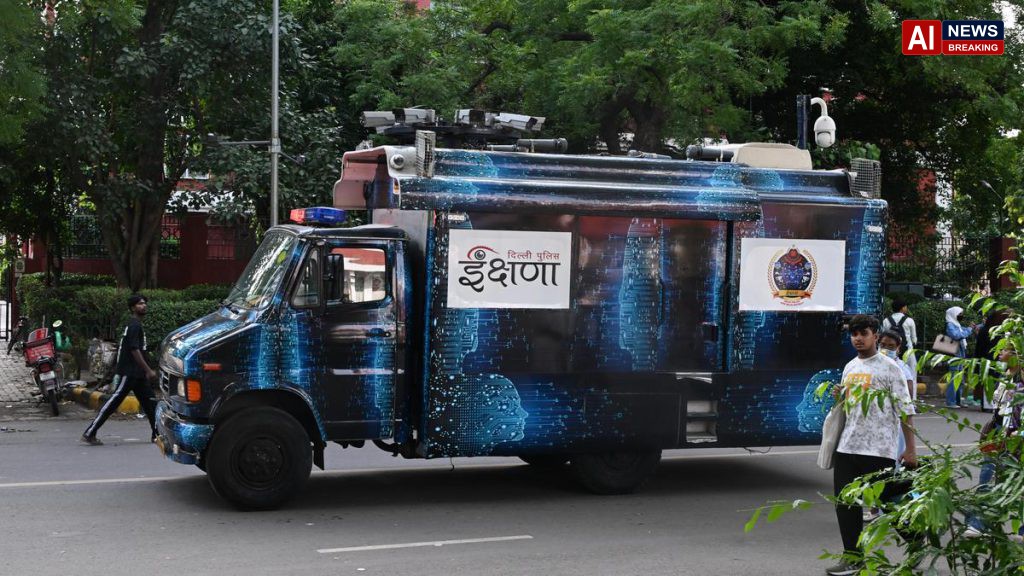
Delhi High Court hears plea against internet shutdown around Jantar Mantar protest site. - AI News Breaking
Plea in Delhi HC challenges internet shutdown around Jantar Mantar protest site The Delhi High Court has been hearing a plea challenging the internet shutdown near the Jantar Mantar protest site, with petitioner’s arguing that the move is unconstitutional and arbitrary. The court has been considering the plea since last week and is expected to deliver its judgment soon. The shutdown was enforced by the authorities to prevent social media from spreading misinformation about the protest, which they claim was a security risk..
The petitioners, who include several journalists and activists, have argued that the shutdown is a brazen attack on the fundamental right to freedom of expression. They claim that the suspension of internet services has caused significant disruptions to their work and daily lives. The petitioners have also argued that the shutdown is a classic example of a ‘shoot first, ask questions later’ approach, which is not in line with the principles of justice and fairness..
The authorities had enforced the internet shutdown citing law and order issues and the potential for the spread of misinformation. However, the petitioners have argued that this is not a valid reason for suspending internet services. They claim that the authorities had not followed the due process and had not provided any concrete evidence to justify the shutdown..
The plea was filed by several lawyers and activists, who have been at the forefront of the protest movement. They have argued that the shutdown is a blatant attempt by the authorities to stifle dissent and opposition. The petitioners have also argued that the shutdown has disproportionately affected the most vulnerable sections of society, including poor and marginalized communities..
The Delhi High Court’s judgment is being closely watched by civil liberties groups and human rights activists, who are closely monitoring the development. The court’s decision is expected to have far-reaching implications for the country’s digital policies and the fundamental right to freedom of expression. The authorities had argued that the shutdown was necessary to maintain law and order and prevent the spread of misinformation..
However, the petitioners have argued that this is not a valid reason for suspending internet services. They claim that the authorities had not followed the due process and had not provided any concrete evidence to justify the shutdown. The plea has also highlighted the issue of unequal access to information, which has been exacerbated by the shutdown..
The petitioners have argued that the shutdown has disproportionately affected marginalized communities, who rely heavily on the internet for accessing information and news. The court has been hearing the petitioners’ arguments and has sought to know the position of the authorities on the issue. The authorities had claimed that the shutdown was temporary and was necessary to prevent a potential security threat..
However, the petitioners have argued that this is not a valid reason for suspending internet services and that the shutdown is unconstitutional. The plea has also highlighted the issue of arbitrary power being wielded by the authorities. The petitioners have argued that the authorities have been unaccountable and have not provided any concrete evidence to justify the shutdown..
They claim that the shutdown is a classic example of government overreach. The Delhi High Court’s judgment is expected to have far-reaching implications for the country’s digital policies and the fundamental right to freedom of expression. The court’s decision will determine whether the shutdown was justified or not..
The plea has also been supported by several international human rights organizations, which have argued that the shutdown is a serious infringement on human rights. They claim that the shutdown has the potential to stifle dissent and opposition and has been used as a tool of oppression. The Delhi High Court’s judgment is expected to be delivered in the coming days, and it is likely to have significant implications for the country’s digital policies and the fundamental right to freedom of expression..
The court’s decision will determine whether the shutdown was justified or not and whether the authorities were justified in taking such an action. The petitioners are cautiously optimistic about the outcome and hope that the court will deliver a judgment that upholds the fundamental right to freedom of expression. The court’s decision will be closely watched by civil liberties groups and human rights activists, who are monitoring the development closely..
Updated: July 24, 2026