 Trump administration offers mixed messages on limits to Ukraine’s Starshield access
  US Treasury proposes a rule to crack down on high-tech investments in China, other adversaries
  Calley Means, a key MAHA advocate, resigns as a top RFK Jr. adviser
  Spotify Tightens Family Plan Controls with QR Code Verification
  Use of Chief Minister C. Joseph Vijay’s deep fake videos to collect money: Rajasthan youth moves Madras High Court seeking bail
 Denmark tracks lone wolf.
A lone wolf has been roaming the Danish countryside, reigniting a complex debate over conservation and public safety, as authorities work to balance wildlife protection with human well-being and economic interests.
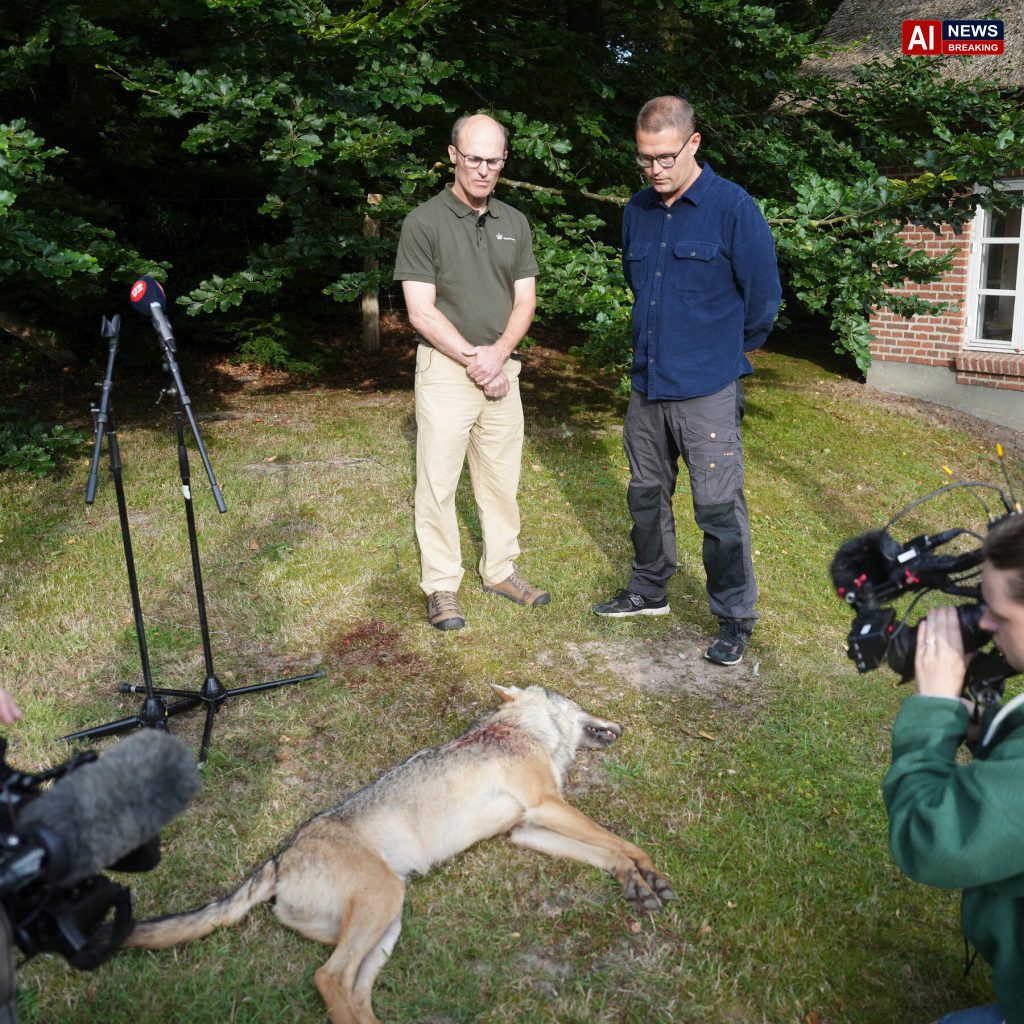
Denmark tracks lone wolf. - AI News Breaking
When a Rare Wolf Got Too Close, Denmark Faced a Conservation Dilemma The small Scandinavian country of Denmark has found itself at the center of a heated debate over the presence of a rare wolf species in its territory. A lone wolf, estimated to be around three years old, has been roaming the Danish countryside for several months now, sparking a complex mix of emotions and reactions from residents. The wolf, which has been identified through camera traps and eyewitness accounts, has been the subject of intense interest and scrutiny from both wildlife enthusiasts and those who fear for their safety..
On several occasions, the wolf has been spotted in close proximity to residential areas, prompting authorities to issue warnings to residents to exercise caution and keep a safe distance. One particular resident, a young mother, reported being frightened by the sight of the wolf in her backyard, which reignited long-standing concerns about the presence of wolves in a country that is densely populated and has a history of agricultural activity. As the wolf’s presence becomes more pronounced, the debate over conservation and protection of wildlife versus the safety and livelihoods of local residents has intensified..
Many argue that Denmark has a responsibility to protect and preserve its natural habitats and the species that inhabit them. Others claim that allowing wolves to roam freely poses an unacceptable risk to human life and property. The situation has also raised questions about the efficacy of local wildlife management policies, which have often been criticized for being too liberal or hands-off..
In an effort to better understand the behavior and movement of the wolf, wildlife experts and researchers have launched a series of tracking and monitoring projects. Camera traps have been deployed in strategic locations, capturing images of the wolf’s movements and habits. Local residents have also been encouraged to report any further sightings, helping to build a comprehensive picture of the wolf’s activities and preferences..
The wolf in question is believed to have originated from a neighboring country, where it is likely to have ventured into Denmark in search of food and shelter. Denmark’s unique geography and climate, characterized by lush forests and fertile pastures, create an attractive environment for many mammal species, including wolves. Conservationists argue that wolves play a vital role in maintaining the delicate balance of Denmark’s ecosystem and should be allowed to coexist with humans..
Some local residents, however, remain unconvinced, citing incidents of livestock being attacked and territorial fencing being damaged as reasons for concern. Many have also expressed frustration at the lack of clear protocols for dealing with wildlife conflicts and the need for more robust measures to ensure public safety. In response, authorities have assured residents that they are working closely with experts to identify long-term solutions to the issue, including potential relocation or controlled management of the wolf population..
Meanwhile, Danish Prime Minister Mette Frederiksen has weighed in on the debate, stating that her government recognizes the importance of wildlife protection and the need to balance conservation efforts with public safety concerns. Frederiksen acknowledged that the situation with the lone wolf has created a unique challenge for Denmark’s authorities, but expressed her commitment to exploring solutions that prioritize both human and animal well-being. The controversy surrounding the lone wolf has also sparked a wider debate about the importance of preserving natural habitats and supporting conservation efforts in Denmark..
Many argue that by protecting and preserving wildlife areas, Denmark can benefit from the numerous eco-tourism opportunities and the economic benefits they bring. Others, however, believe that the country’s focus on agricultural production and land use should take precedence, citing the economic importance of the agriculture sector to Denmark’s economy. Wildlife experts argue that the lone wolf represents a small but significant part of a larger conservation effort to protect and restore natural habitats in Denmark..
The country has a rich biodiversity, with many species of plants and animals that are found nowhere else in the world. By supporting conservation initiatives, Denmark can help ensure the long-term health and sustainability of its ecosystem, which is critical for the country’s development and growth. Denmark has been working to expand its protected wildlife areas and restore habitats that have been degraded or destroyed over time..
The country’s efforts have received international recognition and support, with many organizations collaborating with Danish authorities to develop and implement effective conservation policies. However, progress has been hindered by resistance from local residents, who often express concerns about the impact of conservation efforts on their livelihoods and property values. As the situation with the lone wolf continues to unfold, many are watching with interest to see how Denmark will navigate this complex issue..
Some have expressed skepticism about the ability of authorities to manage the situation effectively, while others believe that the country’s commitment to conservation and environmental protection will ultimately prevail. The experience has also highlighted the need for greater awareness and public engagement on wildlife conservation and protection. As Denmark continues to grapple with this challenge, experts and authorities are likely to emphasize the importance of coexistence with wildlife and the need for long-term, sustainable solutions that balance the needs of humans and animals..
Ultimately, the presence of the lone wolf has sparked a nuanced and multifaceted conversation about the intricate relationship between humans, wildlife, and the natural environment. As the debate continues, Denmark’s residents, wildlife experts, and policymakers will have to grapple with competing values and perspectives to find a solution that balances individual interests with the greater good..
Updated: August 14, 2026
A lone wolf’s presence in Denmark has sparked a heated debate over conservation and safety concerns, with some arguing the animal’s habitat is crucial to maintaining the country’s ecosystem. While authorities work to protect both humans and wildlife, local residents remain divided on the issue, with some calling for more robust measures to ensure public safety.
The presence of a rare wolf in Denmark highlights the delicate balance between human safety and wildlife conservation, revealing a deeper societal fissure between those who prioritize environmental protection and those who prioritize economic and personal interests. Ultimately, finding a solution will require a nuanced and empathetic approach that acknowledges the complex interplay between human and animal well-being.