Europe warns of Russia’s hybrid attacks but struggles to counter them
  Former chief election commissioner calls SIR scheme illegal.
  A Corruption Scandal Is Reshaping Brazil’s Presidential Election
  US citizen injured in Illinois after ICE agents mistook him for fugitive, tried to arrest him
  At 10 years old, Smithsonian’s Black museum is undaunted amid pressure from Trump administration
 EU Approves 90B Ukraine Loan
The European Union is set to approve a €90 billion loan package for Ukraine, alongside implementing fresh sanctions against Russia, in a significant escalation of the EU’s support for Ukraine amid its ongoing conflict with Russia.
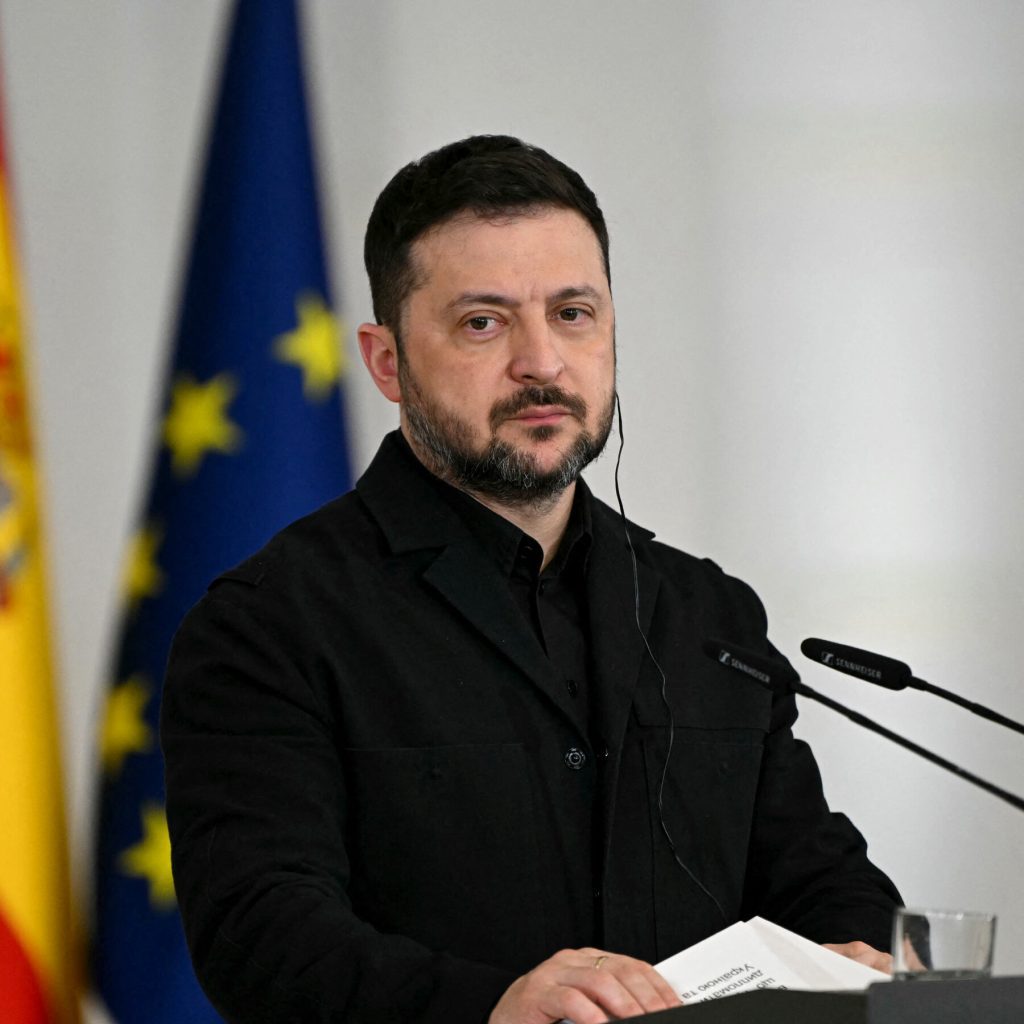
approves ukraine loan:
Updated: April 23, 2026
The European Union is on the verge of approving a substantial €90 billion loan package for Ukraine, alongside implementing fresh sanctions against Russia. This development comes after Hungary and Slovakia withdrew their opposition to the plan, following the recent reopening of the critical Druzhba oil pipeline. The move signals a significant escalation in the EU’s support for Ukraine, which has been embroiled in a protracted conflict with Russia for the past five years.
What happened is that the EU has managed to secure a unanimous agreement among its member states to provide financial assistance to Ukraine. This agreement was made possible after Hungary and Slovakia dropped their objections, which had been a major hurdle in the negotiation process. The loan package is intended to provide much-needed financial support to Ukraine, enabling the country to continue its resistance against Russian aggression.
To understand the context of this development, it is essential to look at the background timeline of events. The conflict between Ukraine and Russia began in 2014, when Russia annexed Crimea and supported separatist movements in eastern Ukraine. Since then, the EU has imposed several rounds of sanctions against Russia, while also providing financial and military aid to Ukraine. The Druzhba oil pipeline, which was reopened recently, is a critical piece of infrastructure that supplies oil to several European countries, including Hungary and Slovakia. The pipeline’s closure had put these countries under pressure, and its reopening has alleviated some of their concerns.
The key concerns in this situation are multifaceted. On one hand, the EU’s decision to provide financial support to Ukraine is seen as a significant escalation in the bloc’s response to the conflict. The fresh sanctions against Russia are also expected to have a significant impact on the country’s economy. On the other hand, there are concerns about the potential consequences of these actions, including the risk of retaliation from Russia and the potential for further destabilization in the region. Additionally, the visit by Britain’s Prince Harry to Kyiv is seen as a symbolic show of support for Ukraine, but it also highlights the human cost of the conflict and the need for a peaceful resolution.
The real-world impact of these developments will be significant. The €90 billion loan package will provide a much-needed boost to Ukraine’s economy, which has been severely impacted by the conflict. The fresh sanctions against Russia will also have a major impact on the country’s economy, potentially leading to further economic contraction and instability. The reopening of the Druzhba oil pipeline will help to alleviate some of the pressure on European countries that rely on Russian oil, but it also highlights the complex web of energy dependencies that exist in the region.
So, what next? The EU’s decision to provide financial support to Ukraine and impose fresh sanctions against Russia marks a significant escalation in the bloc’s response to the conflict. The coming weeks and months will be crucial in determining the outcome of this situation, as the EU and its member states work to implement these decisions and respond to any potential retaliation from Russia. The visit by Prince Harry to Kyiv is a symbolic reminder of the human cost of the conflict and the need for a peaceful resolution. Ultimately, the goal of these efforts must be to bring an end to the conflict and promote a lasting peace in the region.
The European Union is on the verge of approving a substantial €90 billion loan package for Ukraine, alongside implementing fresh sanctions against Russia. This development comes after Hungary and Slovakia…