Europe warns of Russia’s hybrid attacks but struggles to counter them
  Former chief election commissioner calls SIR scheme illegal.
  A Corruption Scandal Is Reshaping Brazil’s Presidential Election
  US citizen injured in Illinois after ICE agents mistook him for fugitive, tried to arrest him
  At 10 years old, Smithsonian’s Black museum is undaunted amid pressure from Trump administration
 Rebel Akali Factions Unite Ahead of Polls, But Can They Challenge the Badal Stronghold
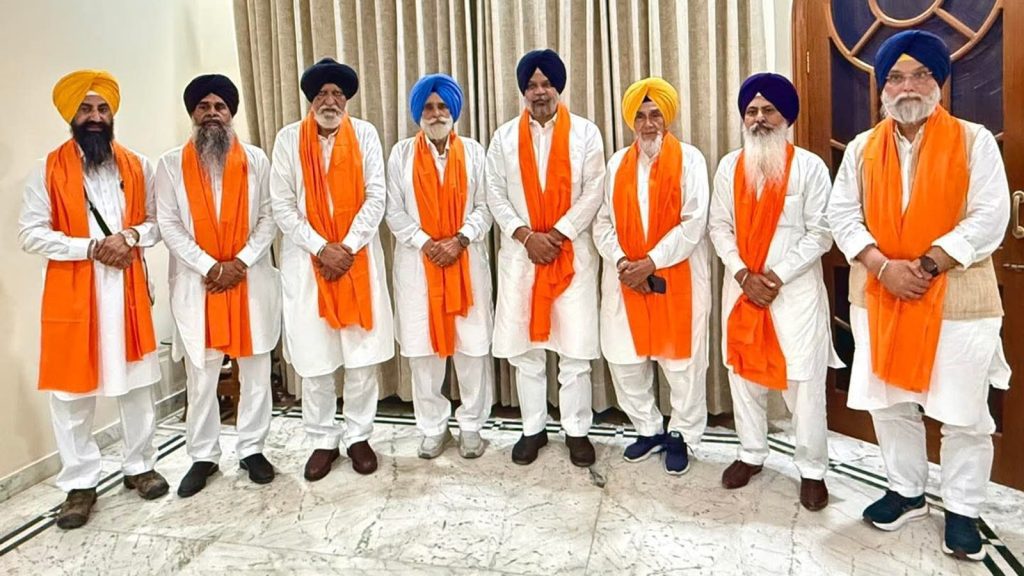
In a significant development in Punjab’s political landscape, several rebel factions of the Shiromani Akali Dal (SAD) have come together in a bid to present a united front against the dominant Badal-led leadership. While the move signals a renewed attempt to consolidate dissent within the Akali fold, a critical question looms large: can this alliance meaningfully challenge the entrenched influence of the Badal family?
The coming together of these splinter groups reflects long-standing dissatisfaction with the leadership style and political direction of the Shiromani Akali Dal under the Badals. However, despite the symbolic significance of unity, political observers remain cautious about the alliance’s ability to translate this consolidation into electoral success.
The Background of the Akali Rift
The Shiromani Akali Dal, one of Punjab’s oldest and most influential political parties, has witnessed internal fractures over the past decade. Several senior leaders and factions broke away, citing ideological differences, leadership concerns, and disagreements over key policy decisions.
The turning point came in the aftermath of controversies surrounding farm laws and subsequent protests, which significantly impacted the party’s standing among its core rural base. The Badal leadership faced criticism for its handling of these issues, leading to a wave of resignations and the emergence of alternative Akali voices.
Since then, multiple rebel groups have operated independently, each attempting to carve out its own political space while criticizing the parent party.
A United Front Emerges
The recent decision by these factions to unite marks an effort to consolidate their influence and avoid further fragmentation of anti-Badal sentiment. Leaders involved in the alliance have emphasized the need to “revive the original ideology” of the Akali movement, positioning themselves as the true inheritors of the party’s legacy.
The unified group aims to present itself as a credible alternative to the Badal-led SAD, focusing on issues such as farmer welfare, regional autonomy, and governance reforms. By pooling their resources and support bases, the factions hope to strengthen their electoral prospects in upcoming contests.
The Badal Factor: A Formidable Challenge
Despite the emergence of a united rebel front, the Badal family continues to wield significant influence in Punjab politics. With decades of organizational experience, a well-established cadre network, and strong name recognition, the Badals remain a dominant force within the Akali Dal and beyond.
The party’s existing infrastructure gives it a clear advantage in mobilizing voters and managing election campaigns. Additionally, the loyalty of a substantial section of the traditional Akali voter base continues to favor the Badal leadership.
Political analysts argue that dislodging such an entrenched leadership requires more than just unity among dissenting factions. It demands a compelling narrative, grassroots mobilization, and the ability to connect with voters on key issues.
Challenges Facing the Rebel Alliance
While the unification of rebel groups is a step forward, several challenges could limit its effectiveness. One of the primary concerns is the lack of a single, widely recognized leader who can serve as the face of the alliance.
Leadership cohesion will be crucial in maintaining unity and avoiding internal conflicts. Past experiences suggest that alliances formed out of dissent can struggle with coordination and decision-making, especially when multiple leaders with differing priorities are involved.
Another challenge lies in voter perception. The rebel factions must convince the electorate that they represent a viable alternative rather than a fragmented opposition. Building trust and credibility will be essential, particularly in rural constituencies where the Akali Dal has traditionally been strong.
Electoral Implications
The impact of the rebel alliance on Punjab’s electoral dynamics remains uncertain. In some constituencies, the presence of multiple Akali factions could split votes, potentially benefiting rival parties such as the Aam Aadmi Party (AAP) or the Congress.
However, if the alliance succeeds in consolidating anti-Badal sentiment, it could create pockets of strong competition, especially in regions where dissatisfaction with the current leadership is high.
The outcome will likely depend on how effectively the alliance can coordinate its campaign, select candidates, and articulate a clear vision for the state’s future.
Broader Political Context
The developments within the Akali Dal come at a time when Punjab’s political landscape is undergoing significant changes. The rise of new political forces, shifting voter preferences, and evolving socio-economic issues have created a more competitive environment.
In this context, the fragmentation of traditional parties can have far-reaching consequences. For the Akali Dal, maintaining unity and relevance is critical to sustaining its position in state politics.
The rebel alliance’s emergence adds another layer of complexity to this evolving scenario, potentially reshaping alliances and electoral strategies.
The Road Ahead
As Punjab moves closer to future electoral battles, the effectiveness of the rebel Akali alliance will be closely watched. The coming months will be crucial in determining whether this unity can be sustained and translated into tangible political gains.
Key indicators will include the alliance’s ability to expand its support base, attract influential leaders, and present a cohesive campaign. Engagement with grassroots workers and addressing local issues will also play a vital role.