Europe warns of Russia’s hybrid attacks but struggles to counter them
  Former chief election commissioner calls SIR scheme illegal.
  A Corruption Scandal Is Reshaping Brazil’s Presidential Election
  US citizen injured in Illinois after ICE agents mistook him for fugitive, tried to arrest him
  At 10 years old, Smithsonian’s Black museum is undaunted amid pressure from Trump administration
 Iran Seizes Two Ships Near Strait of Hormuz, Escalating Global Tensions and Fueling Fears of Economic Downturn in Middle East
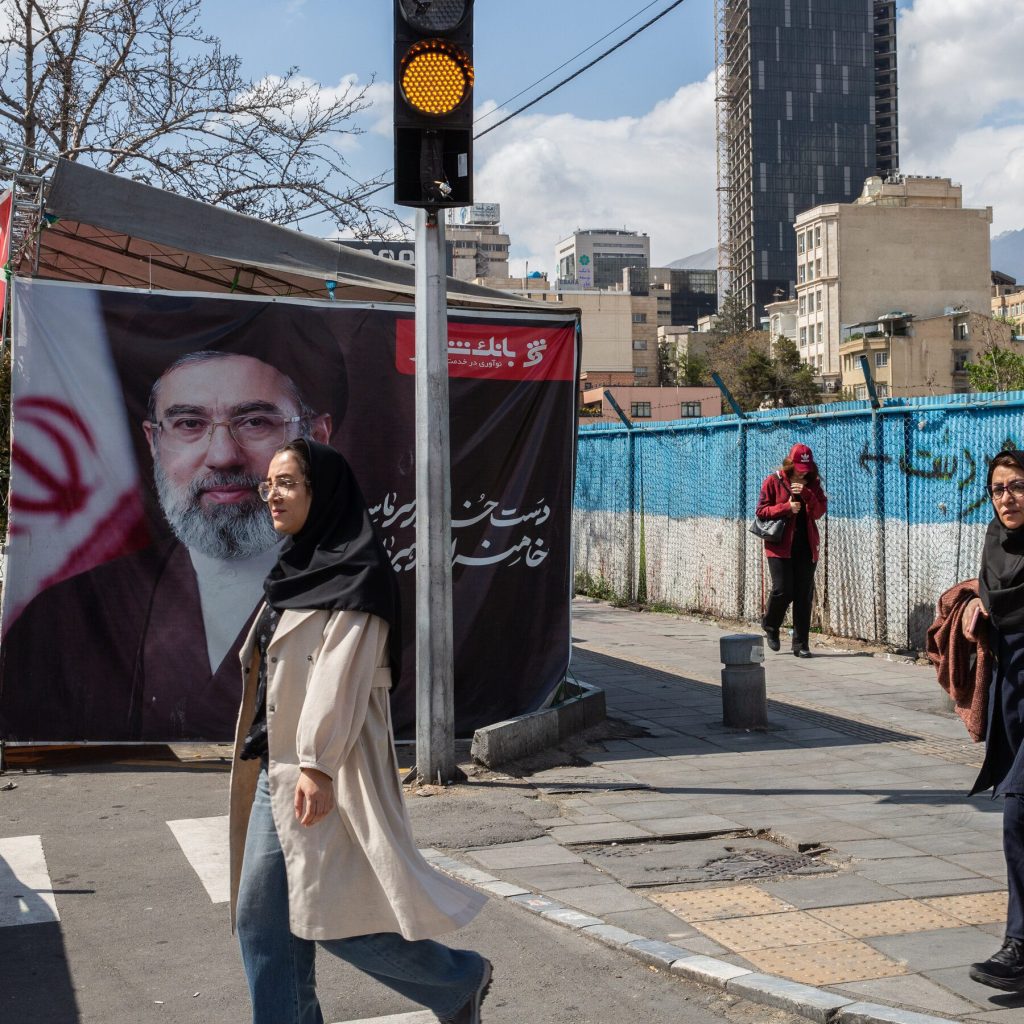
iran seizes ships near:
Updated: April 22, 2026
Tensions in the Middle East Escalate as Iran Seizes Two Ships in the Strait of Hormuz, Fueling Fears of a Global Economic Downturn
In a dramatic escalation of tensions between the West and Iran, Iranian authorities have seized two ships near the strategic Strait of Hormuz, a key waterway that connects the Persian Gulf to the Arabian Sea. This development comes as the United States continues to impose a blockade on Iran’s ports, further straining already frayed relations between the two nations.
According to a statement from the British naval agency, the two vessels came under attack near the strait, prompting an emergency response from international shipping companies. Details of the incident are sketchy, but sources close to the situation say that the Iranian Navy intercepted the ships, citing concerns over maritime security and the country’s sovereignty.
The Strait of Hormuz is a critical chokepoint for global oil trade, with approximately 20% of the world’s total oil production flowing through it. Any disruptions to shipping in this region have far-reaching consequences, not only for Iran but also for the global economy. The seizure of the two ships has sparked fears of a potential naval blockade, which could severely impact Iran’s oil exports and, subsequently, global oil prices.
The United States has long been a vocal opponent of Iran’s nuclear program and has imposed numerous sanctions on the country in an effort to curb its activities. The ongoing blockade on Iran’s ports is the latest salvo in this diplomatic standoff, which has been building for years. However, experts warn that this escalation could have catastrophic consequences, including a global economic downturn, if not resolved quickly.
As tensions between the West and Iran continue to escalate, the international community is bracing for the worst. The seizure of the two ships has sparked an emergency meeting of the United Nations Security Council, which will likely focus on finding a diplomatic solution to the crisis. However, with the situation on the ground continuing to deteriorate, the prospect of a peaceful resolution seems increasingly unlikely.
Meanwhile, global markets are jittery, with oil prices spiking in response to the Strait of Hormuz crisis. The economic implications of this escalation are already being felt, with many experts predicting a global economic downturn if the situation is not brought under control.
For its part, Iran maintains that its actions are defensive in nature and aimed at protecting its national security. However, the international community remains skeptical, viewing the seizure as a deliberate attempt to disrupt global shipping and further isolate Iran on the world stage.
The consequences of this crisis are far-reaching and multifaceted. The impact on global oil markets is just the beginning, with many economists warning of a broader economic ripple effect. As the situation continues to unfold, one thing is clear: the world is watching, and the stakes are higher than ever.
As the crisis deepens, the international community must come together to find a peaceful resolution. The alternative is too dreadful to contemplate – a global economic downturn that would have far-reaching consequences for nations and communities around the world.
Looking ahead, the future of global trade and security hangs in the balance. If a diplomatic solution can be found, it may be possible to calm the waters and prevent a global economic catastrophe. However, if the situation continues to deteriorate, the consequences could be disastrous – and the world may be left to pick up the pieces.
Tensions in the Middle East Escalate as Iran Seizes Two Ships in the Strait of Hormuz, Fueling Fears of a Global Economic Downturn In a dramatic escalation of tensions between…