Indonesia denies foreign claim to rescued orangutans
 Turkey hosts COP31 climate talks in Antalya.
 Pope meets Argentine bishops.
 APOD: 2026 November 8 – Major Fireball Meteor
 Indonesian Horror Hit ‘Pabrik Gula’ Gets 2028 Sequel as MD Entertainment Lines Up Three Imax Films
Flash floods trigger evacuations in Arizona and Colorado amid heavy rains in southwest
**
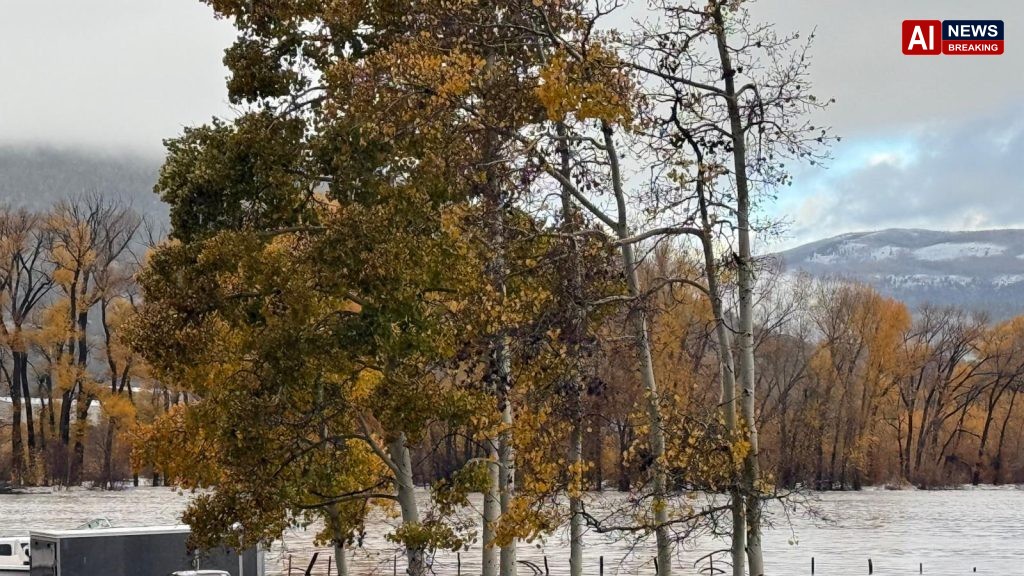
Flash floods trigger evacuations in Arizona and Colorado amid heavy rains in southwest - AI News Breaking
Flash floods trigger evacuations in Arizona and Colorado amid heavy rains in southwest Heavy rain has turned the Southwest into a patchwork of rising water and emergency responses, as authorities across Arizona and Colorado rush to contain the threat of flash floods. The latest rainfall, concentrated over the past 48 hours, has saturated the soil and swollen rivers to dangerous levels. Residents in vulnerable communities are being advised to move to higher ground, and emergency services are on standby to assist those caught in rising streams..
In Arizona, the San Pedro River has surged beyond its historical high, prompting evacuations in several towns along its banks. The National Weather Service issued a flash flood warning for the area, citing rainfall totals that exceeded 4 inches in just a few hours. Emergency shelters have opened in nearby cities, and volunteers are distributing blankets and water to those displaced..
Local officials urge residents to stay tuned to radio broadcasts for updates and to avoid driving through flooded roads. Colorado’s situation mirrors that in Arizona, with the Rio Grande and San Juan Rivers experiencing dramatic rises. The San Juan River, in particular, is forecast to crest at more than 19 feet around 11:00 p.m., a level that could inundate homes and infrastructure along its valley..
Army Corps of Engineers has activated flood control gates at key spillways, and the state emergency management office has coordinated with local fire departments to conduct search and rescue operations where necessary. The United States Geological Survey has noted that the region’s geology, with steep slopes and loose alluvial deposits, makes it especially prone to rapid runoff. When heavy rain falls on such terrain, water moves quickly down the hillsides, leading to sudden, powerful floods that can sweep away vehicles and damage properties..
Scientists warn that the current weather pattern may persist for several days, raising the risk of continued flooding. Local governments are responding with a mix of infrastructure measures and community outreach. In Arizona, the City of Flagstaff has deployed sandbags along riverbanks, while the Department of Transportation has posted detour signs on major highways..
In Colorado, the town of Durango has temporarily closed several bridges to prevent traffic from entering hazardous zones. Both states are also reinforcing levees and monitoring river gauges in real time. Emergency shelters have been established in a range of facilities, from schools to community centers..
Staff at these sites are preparing to accommodate families with pets, and food supplies are being organized through the Red Cross. In addition, mobile medical units are being dispatched to assess injuries and provide first aid to those affected by the sudden floods. Residents are encouraged to bring essential documents and personal belongings, as the damage to homes may be extensive..
The economic impact of the flooding is already becoming apparent. Agricultural lands in both states are at risk of soil erosion and crop loss, while businesses along river corridors face potential closures. Local farmers have reported that irrigation channels have been damaged, and the risk of water contamination is high due to runoff carrying debris and pollutants..
Recovery efforts will likely require significant funding and coordination across multiple agencies. Weather forecasts predict continued rainfall, with the National Weather Service indicating that the Southwest could see additional precipitation over the next 24 hours. This forecast has prompted state governors to declare emergency status in affected counties, allowing for the deployment of National Guard troops and federal aid..
The governors have also urged residents to stock up on supplies and to avoid traveling unless absolutely necessary. In response to the rising water levels, several communities have organized volunteer groups to assist with evacuation and to clear debris from roads. These groups are working closely with law enforcement and the Red Cross, ensuring that the most vulnerable are reached first..
Social media platforms have been used to share real-time updates, but officials caution that not all information posted online is verified, urging people to rely on official channels. Department of Agriculture has issued advisories for livestock owners in the region. Heavy rains can lead to flooding of pasturelands, putting animals at risk of drowning or being to contaminated water..
The department is coordinating with state agricultural agencies to provide resources and guidance for protecting livestock during this crisis. As the evening approaches, the 11:00 p.m. crest of the San Juan River is a focal point for emergency planners..
Engineers are monitoring the river’s flow rates, while evacuation teams are preparing to move residents who are still in low-lying areas. The anticipation of the crest has caused a surge in calls to emergency hotlines, as people seek information about their safety and potential evacuation routes. While the immediate focus remains on preventing loss of life and minimizing property damage, officials are also considering long-term strategies to mitigate future flood risks..
These include improving drainage systems, restoring wetlands that can absorb excess water, and updating building codes to reflect the increasing frequency of extreme weather events. The current crisis serves as a stark reminder of the need for resilient infrastructure and proactive community planning in the face of a changing climate..
Updated: November 1, 2026
The relentless rains are exposing a chronic vulnerability: infrastructure in the Southwest was never designed for the rapid, high-volume runoff now flooding homes and roads. If policymakers don’t invest in durable drainage and flood‑plain restoration, communities will keep paying the price every time the sky turns into a torrent.