 Keralam’s multiplex pricing debate: SC order in 2023 permits cinema hall owners to fix food prices
  DMK chief Stalin accuses Tamil Nadu CM Vijay of using ‘reels’ to cover up administrative failures
  High Court pauses data centre lease dispute.
  CSD urges govt to drop Gram Sabha consent rule for projects
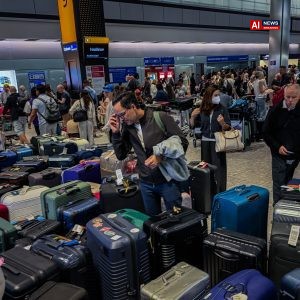
  Misery at Heathrow: ‘Never Seen Chaos Like That’
 French health authorities identify patient with Ebola virus.
France has confirmed its first case of Ebola, a 29-year-old male doctor who recently traveled to the Democratic Republic of Congo, where a significant outbreak is ongoing. Health authorities are taking precautions to prevent the spread of the virus, including contact tracing and quarantine measures.
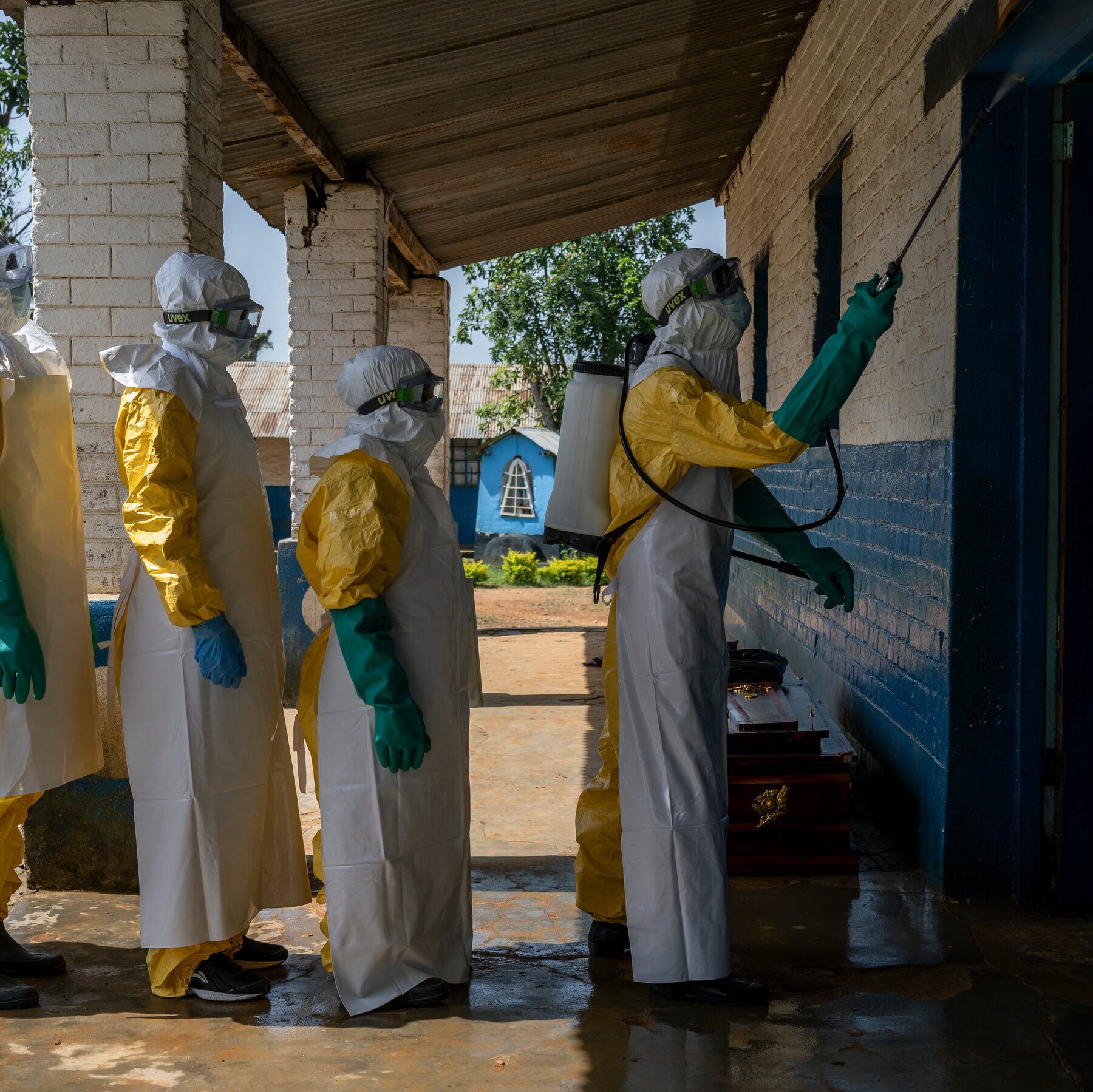
France Identifies First Case of Ebola The French health ministry has confirmed the country’s first case of Ebola, a highly infectious and often deadly disease. The patient, a 29-year-old male doctor, had recently traveled to the Democratic Republic of Congo, where a significant Ebola outbreak has been ongoing. He presented symptoms at a hospital in Nice, which quickly led to the identification of the virus..
A health ministry statement released on Tuesday evening confirmed the case and assured the public that measures are being taken to prevent the spread of the virus. The doctor had been visiting his family in France and was not working in the health sector during his stay. Despite this, health authorities are taking a cautious approach to ensure the virus does not spread..
Workers are racing against time to trace anyone who may have had contact with the infected doctor before he started showing symptoms. This includes people on his flight from the Democratic Republic of Congo, his family members, and colleagues who may have interacted with him at the hospital. Officials will conduct thorough interviews, and potentially, further screening for symptoms..
The DRC, home to the ongoing Ebola outbreak, has had thousands of cases and hundreds of deaths since the start of the epidemic. This latest case in France highlights the need for vigilance in maintaining public health. The World Health Organization (WHO) has been coordinating the international response to the outbreak, working closely with governments and health authorities in affected countries..
Public health officials are warning those who may have been in contact with the infected doctor to monitor their own health carefully. They should be alert to any signs of Ebola, such as fever, vomiting, diarrhea, abdominal pain, and sore muscles and joints. If symptoms appear, people are encouraged to seek medical attention immediately..
To prevent the spread of Ebola, authorities will be conducting contact tracing and implementing quarantine measures. In a statement, the French health ministry stressed that the risk to the general public is low, but it is crucial that everyone takes precautions. They advised the public to maintain good hygiene, avoid close contact with anyone showing symptoms, and avoid sharing food, drinks, or utensils..
Ebola, named after the Ebola River in the DRC, is a viral disease first identified in 1976. It is usually fatal, with a mortality rate ranging from 25% to 90%, depending on the strain and availability of healthcare. However, with prompt medical care, treatment with a range of medications, and close monitoring, survival rates can be significantly higher..
The WHO has been working to contain the Ebola outbreak in the DRC, with aid efforts including vaccination campaigns, enhanced surveillance, and strengthening of healthcare infrastructure. These efforts have helped to reduce the number of new cases and contain the spread of the virus. In the case of the infected doctor, it is unclear why he did not undergo Ebola checks upon returning to France..
Health officials are investigating the circumstances of his travel and possible interactions with others before he fell ill. They are also tracing the route of his recent travel to identify any potential sources of the infection. Despite the alert raised, public life in France remains unaffected due to the low risk of a widespread outbreak..
Health officials stress that the country’s well-established healthcare system is equipped to handle the case and prevent the spread of the virus. The French health ministry has assured the public that everything is being done to minimize any risk to public health. Public health campaigns are set to increase awareness and inform the public about Ebola prevention strategies..
Key messages will include hand hygiene, maintaining social distancing, and the importance of seeking medical help if symptoms occur. The aim is to empower individuals with the knowledge they need to stay safe and protect others. Experts say that the situation in France serves as a reminder of the ongoing Ebola crisis in the DRC and the need for vigilance globally..
The outbreak has had significant economic, social, and human impacts on affected communities, and it is essential that aid efforts and surveillance continue. The French case highlights the importance of preparedness and readiness in dealing with emerging infectious diseases. The incident should serve as a lesson for countries to strengthen their public health infrastructure, including surveillance and detection systems..
Updated: June 24, 2026
The fact that the infected doctor was able to travel to France without undergoing Ebola checks highlights a glaring gap in global health security, underscoring the need for more robust screening protocols. This incident serves as a wake-up call for countries to reassess their preparedness and response strategies for emerging infectious diseases.