Europe warns of Russia’s hybrid attacks but struggles to counter them
  Former chief election commissioner calls SIR scheme illegal.
  A Corruption Scandal Is Reshaping Brazil’s Presidential Election
  US citizen injured in Illinois after ICE agents mistook him for fugitive, tried to arrest him
  At 10 years old, Smithsonian’s Black museum is undaunted amid pressure from Trump administration
 Global Financial Leaders to Simulate Bank Collapse in High-Stakes War Game
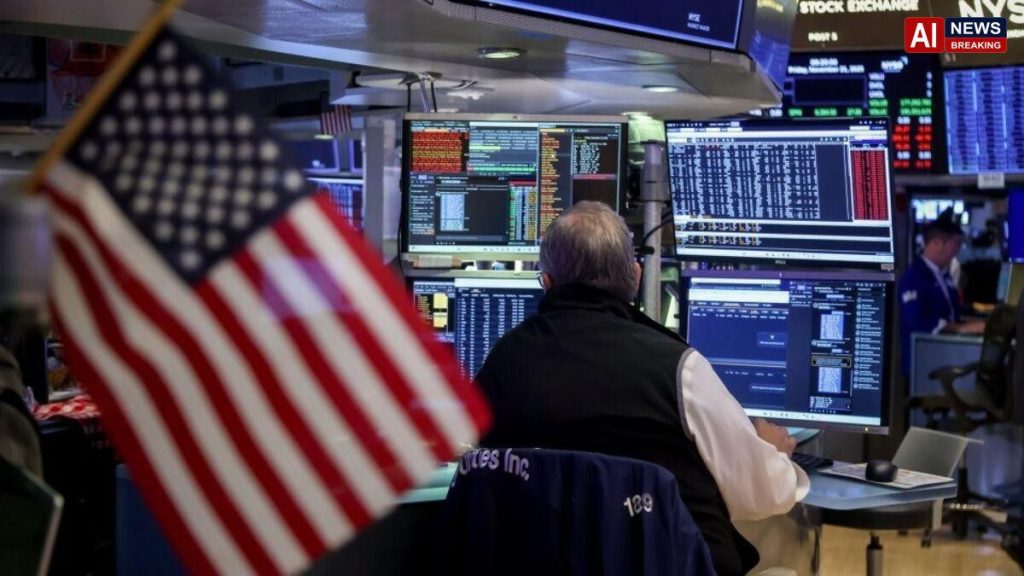
US Stock Futures Slide as AI Safety Warnings Shake Tech Stocks and Oil Prices Rise - AI News Breaking
global financial leaders simulate:
In a move to assess their preparedness for a potential financial crisis, top officials from the world’s leading central banks and treasuries are set to participate in a simulated war game in Washington. The exercise, scheduled for Saturday, aims to evaluate how these financial leaders would respond to the collapse of a major bank with global implications. The war game comes at a time of growing concerns over the stability of the global financial system, with many experts drawing parallels to the 2008 Lehman Brothers collapse.
The simulation will bring together some of the most influential figures in global finance, including the governor of the Bank of England, Andrew Bailey. Other participants will include senior officials from the US Federal Reserve and the European Central Bank. The presence of such high-ranking officials underscores the seriousness with which the global financial community is treating the threat of a potential banking collapse.
The war game is designed to test the decision-making processes and communication strategies of the participating officials. By simulating a real-world scenario, the exercise aims to identify potential weaknesses and areas for improvement in the event of a financial crisis. The simulation will also provide an opportunity for the officials to share their experiences and expertise, with the goal of strengthening the global financial system.
The decision to hold the war game in Washington reflects the city’s status as a hub for global financial policy-making. The US Federal Reserve, in particular, plays a critical role in maintaining stability in the global financial system. The exercise is also a testament to the growing recognition of the need for international cooperation in addressing potential financial crises.
As the global economy continues to navigate uncertain waters, the war game serves as a reminder of the importance of preparedness and cooperation among financial leaders. With the memories of the 2008 financial crisis still fresh, the simulation provides a timely opportunity for officials to reassess their strategies and response mechanisms.
The war game is scheduled to take place on Saturday, with the participating officials expected to engage in a series of simulated scenarios and discussions. The outcome of the exercise is likely to be closely watched by financial markets and policymakers around the world, as they seek to gauge the readiness of the global financial system to respond to potential crises.
The participation of Andrew Bailey, the governor of the Bank of England, highlights the UK’s commitment to international cooperation on financial stability. The Bank of England has been at the forefront of efforts to strengthen the global financial system, and Bailey’s involvement in the war game underscores the importance of collaboration among central banks.
The war game is a significant development in the ongoing efforts to promote global financial stability. As the financial leaders gather in Washington, they will be focusing on finding ways to mitigate the risks of a potential banking collapse and to ensure that the global financial system is better equipped to respond to future crises.