 Tao Tokyo Spring 2027
 Karnataka SIR: Teaching on the back burner
 Trump administration offers mixed messages on limits to Ukraine’s Starshield access
 US Treasury proposes a rule to crack down on high-tech investments in China, other adversaries
 Calley Means, a key MAHA advocate, resigns as a top RFK Jr. adviser
Houthi Attacks on Saudi Arabia Put In Doubt Kingdom’s Sports and Business Events
**
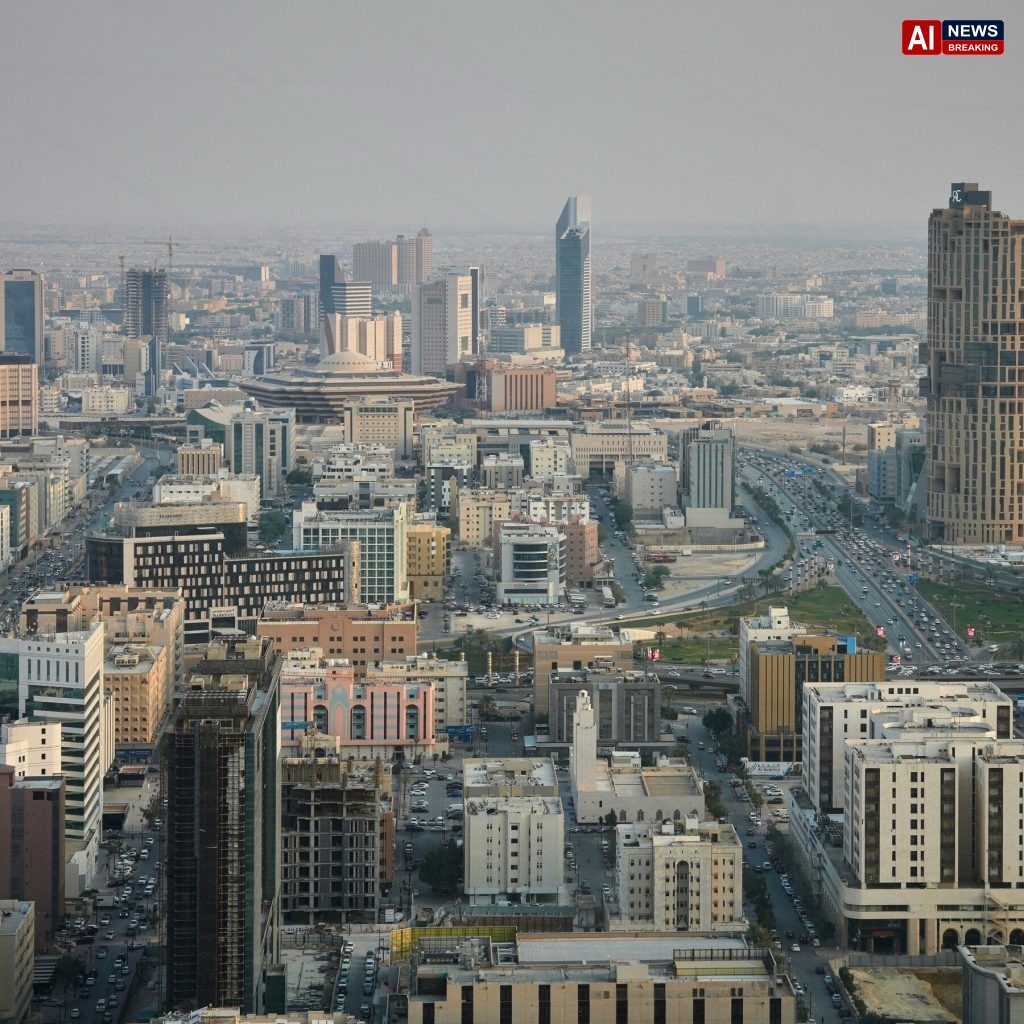
Houthi Attacks on Saudi Arabia Put In Doubt Kingdom’s Sports and Business Events - AI News Breaking
houthi attacks saudi arabia:
Saudi Arabia’s ambition to showcase its growing sporting and commercial clout has been repeatedly dented in recent months by a series of attacks launched by the Iran‑backed Houthi movement from Yemen. The militants have targeted airports, ports and oil facilities, but their reach now extends to the high‑profile events that Riyadh and its allies have cultivated to signal a post‑oil diversification strategy. The disruption has forced organisers to reconsider security protocols, delayed tournaments and raised concerns among investors about the kingdom’s capacity to guarantee safety in an increasingly volatile region.The first clear sign of the impact came in early March when the Houthi‑claimed missile strike on a cargo terminal at Saudi Arabia’s Jeddah Islamic Port forced the cancellation of a scheduled exhibition for the International Trade Expo, a showcase that annually draws thousands of business delegations from Europe and Asia..
Officials cited “unforeseeable security threats” as the reason for the abrupt shutdown, and the Ministry of Commerce later confirmed that the loss would amount to tens of millions of riyals in projected revenue. The incident underscored the delicate balance the kingdom must maintain between promoting openness and shielding its infrastructure from cross‑border hostilities.Sporting events have proved equally vulnerable. The Saudi Arabian Football Federation, which has invested heavily in bringing European clubs and international tournaments to the kingdom, announced the postponement of the Riyadh International Cup after a Houthi drone was detected hovering near King Fahd International Stadium..
While the drone never made contact, the decision was made “out of an abundance of caution,” according to a spokesperson for the federation. The postponement not only affected the teams’ preparation schedules but also threatened the broader narrative that Saudi Arabia is emerging as a global sports hub capable of hosting the world’s elite competitions.The repercussions have reverberated beyond the immediate loss of ticket sales and sponsorship dollars. Analysts at the Gulf Research Centre note that the Houthi threat has introduced a “new risk premium” into the pricing of insurance for events held in the kingdom..
Premiums for event cancellation and liability coverage have risen by an estimated 30‑40 percent since the attacks began, a cost that organisers are likely to pass on to participants and spectators. This upward pressure on prices could deter smaller clubs and corporations, which had previously viewed Saudi events as relatively affordable gateways to the Middle Eastern market.Investors have also begun to reassess the appeal of Saudi projects tied to high‑visibility events. A consortium of European venture capital firms, which had pledged over $200 million to a series of tech start‑ups slated to exhibit at the upcoming Saudi Tech Summit, signalled a review of its commitments after a Houthe‑claimed missile landed near the summit’s venue in Riyadh’s Al‑Othman district..
While the summit itself proceeded without incident, the episode highlighted how even peripheral threats can cast a shadow over the kingdom’s broader economic diversification agenda, known as Vision 2030.The Saudi government has responded with a multi‑pronged strategy aimed at restoring confidence. Crown Prince Mohammed bin Salman’s office issued a statement affirming that “the kingdom’s security apparatus remains robust and fully capable of protecting all international partners and guests.” In tandem, the Ministry of Interior announced the deployment of additional air‑defence systems along the Red Sea coast and the establishment of a joint command centre with allied forces to monitor Houthi activities in real time. Critics argue, however, that these measures are reactive rather than preventative, pointing to the fact that Houthi capabilities have evolved to include longer‑range missiles and more sophisticated drone technology.International partners are watching closely..
The United Kingdom’s Foreign, Commonwealth and Development Office released a brief advising British firms operating in Saudi Arabia to maintain heightened vigilance, particularly around ports and transport hubs. The advisory, while not a travel warning, signals a shift in diplomatic tone that may influence the decisions of foreign companies contemplating entry into the Saudi market. Similarly, the United States’ Department of State has urged American athletes and event staff to register with the embassy before travelling to the kingdom, a step that was not customary for previous sporting visits.The economic stakes are considerable..
Saudi Arabia has positioned high‑profile events as a cornerstone of its strategy to reduce reliance on oil revenues, seeking to attract tourism, foreign direct investment and a new generation of domestic talent. The 2025 Asian Football Confederation Champions League final, scheduled for Riyadh, is expected to generate upwards of $500 million in direct and indirect economic activity. Any further disruptions could jeopardise the projected fiscal benefits and undermine the credibility of the kingdom’s promises to the international community.Yet there are signs that the kingdom may be adapting its approach..
Organisers of the upcoming Saudi International Golf Tournament have announced a partnership with a private security firm specialising in counter‑drone technology, aiming to create a “secure corridor” for players and spectators. Moreover, the Ministry of Sports is reportedly drafting a contingency framework that would allow events to be relocated to inland venues less to maritime missile threats, while still preserving the branding and broadcasting arrangements that make such events financially viable.The broader geopolitical context adds another layer of complexity. The Houthi attacks are part of a wider campaign of proxy warfare that has seen Iran’s influence extend into the Red Sea and the Gulf of Aden, regions crucial to global trade..
While Saudi Arabia has secured support from the United States and several Gulf Cooperation Council partners, the persistence of Houthi capabilities suggests that a purely military response may not be sufficient to guarantee the uninterrupted flow of commerce and sport. Diplomatic engagement, confidence‑building measures and perhaps a negotiated settlement could prove essential in stabilising the environment for future events.In the meantime, the kingdom’s leadership faces a delicate balancing act. On one hand, the desire to project an image of resilience and openness compels Saudi officials to press ahead with marquee events, using them as symbols of modernity and economic transformation..
On the other, the reality of an ongoing security threat forces a pragmatic reassessment of risk, compelling organisers and investors to factor in a new set of variables that could reshape the landscape of Saudi Arabia’s sports and business calendar for years to come..
Updated: October 16, 2026
The Houthi barrage is turning Saudi Arabia’s Vision 2030 showcase into a security‑cost calculator, where every marquee event now carries a hidden premium that could deter the very investors the kingdom needs.
If Riyadh can’t embed resilient, low‑risk infrastructure—beyond reactive air defenses—its ambition