Europe warns of Russia’s hybrid attacks but struggles to counter them
  Former chief election commissioner calls SIR scheme illegal.
  A Corruption Scandal Is Reshaping Brazil’s Presidential Election
  US citizen injured in Illinois after ICE agents mistook him for fugitive, tried to arrest him
  At 10 years old, Smithsonian’s Black museum is undaunted amid pressure from Trump administration
 India Commemorates National Technology Day, Honoring 1998 Pokhran Nuclear Tests
India commemorated National Technology Day, honoring its remarkable advancements in nuclear technology. However, concerns over nuclear proliferation and regional stability cast a shadow over the country’s accomplishments, sparking questions about its continued reliance on nuclear technology.
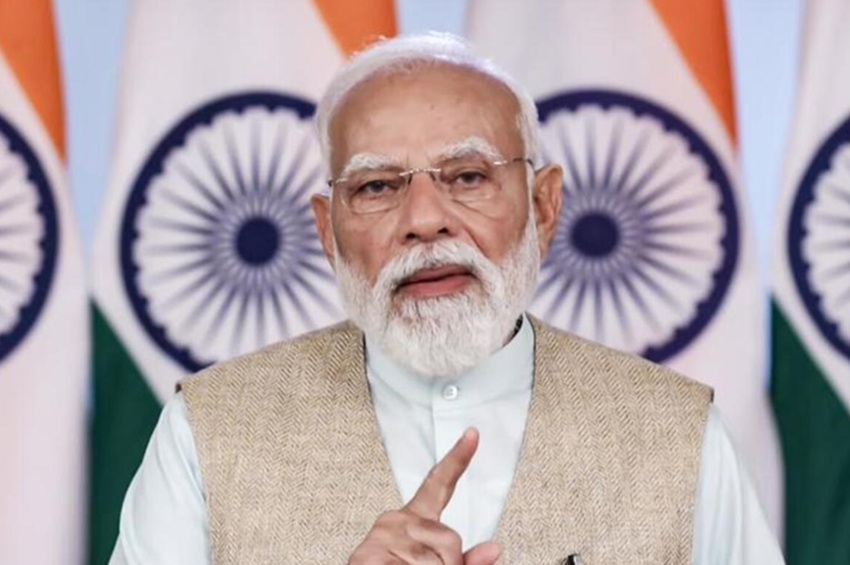
India Marks National Technology Day, Honoring a Milestone in Scientific Excellence
Yesterday, on National Technology Day, Prime Minister Narendra Modi paid tribute to India’s remarkable advancements in nuclear technology, specifically highlighting the 1998 Pokhran nuclear tests.
This landmark event showcased the country’s scientific prowess, marking a significant turning point in India’s growth as a major technological power.
Updated: May 11, 2026
India Marks National Technology Day, Honoring a Milestone in Scientific Excellence
Yesterday, on National Technology Day, Prime Minister Narendra Modi paid tribute to India’s remarkable advancements in nuclear technology, specifically highlighting the 1998 Pokhran nuclear tests. This landmark event showcased the country’s scientific prowess, marking a significant turning point in India’s growth as a major technological power. As the nation celebrates its achievements, concerns over the global implications of nuclear proliferation cast a shadow over the country’s accomplishments.
The anniversary commemorates the pivotal moment when India conducted a series of nuclear tests at Pokhran, a remote village in the Thar desert, Rajasthan. On May 11 and 13, 1998, six nuclear explosions took place, demonstrating India’s capability to join the exclusive club of nuclear-armed nations. The tests aimed to validate the nation’s nuclear weapons program, which had been years in the making.
In the aftermath of the tests, India’s scientists received international recognition for their exceptional skill and expertise. The Pokhran tests were seen as a testament to the nation’s ability to develop cutting-edge technology, rivaling that of the world’s leading powers. However, critics argue that these tests raised global concerns about nuclear proliferation and regional stability.
Modi’s tribute to the 1998 nuclear tests has raised questions about India’s continued reliance on nuclear technology and the implications of its nuclear program. As a signatory to the Treaty on the Non-Proliferation of Nuclear Weapons (NPT), India has a responsibility to uphold global nuclear norms. The nation’s nuclear program has been a subject of debate, with some countries expressing concerns over India’s commitment to non-proliferation.
Despite these concerns, India’s nuclear program has driven significant advancements in various fields, including medicine, agriculture, and energy. The nation’s expertise in nuclear technology has also enabled it to become a significant player in the global nuclear industry.
In recent years, India has taken steps to improve its nuclear security and non-proliferation record. The government has strengthened international cooperation and engaged in dialogue with nuclear-armed nations to promote nuclear disarmament and non-proliferation. Moreover, India has implemented several initiatives to develop civilian nuclear energy and reduce the risks associated with nuclear technology.
India’s progress in nuclear technology has implications for regional and global stability. As the nuclear landscape continues to evolve, India’s position as a major nuclear power is becoming increasingly significant. Its influence on non-proliferation efforts and its ability to engage in global nuclear diplomacy will be crucial in shaping the future of nuclear arms control.
The impact of India’s nuclear program extends beyond its borders, with the nation playing a key role in shaping international nuclear security norms. As the global community grapples with nuclear challenges, including North Korea’s nuclear program and the ongoing Ukraine-Russia conflict, India’s actions will have far-reaching consequences.
As India continues to push the boundaries of nuclear technology, the nation must remain committed to upholding global nuclear norms and promoting non-proliferation. By walking this fine line, India can maintain its position as a leading scientific power while contributing to a safer global environment.
Looking ahead, India’s nuclear program is likely to play a crucial role in shaping regional and global dynamics. As the nation moves forward with its plans to develop new nuclear capabilities, it will be watched closely by international observers and must demonstrate a continued commitment to non-proliferation and responsible nuclear governance.
The significance of India’s nuclear program is not merely domestic but also has far-reaching implications for global security and stability. As the nation celebrates its advancements in science and technology, it must remain conscious of its responsibilities as a major nuclear power and engage constructively in international nuclear diplomacy.
As India basks in the glow of its scientific achievements, its nuclear program raises a question: can the country balance its pursuit of scientific excellence with its global responsibilities? This subtle dance between technological advancement and international cooperation will be crucial in shaping India’s future as a major nuclear power.