 India faces protests after
  Yemen’s capital S
  Argentina’s ‘Golden Passport’ Program Offers Citizenship in Exchange for Foreign Cash
  FlyDubai Attack Raises Questions About Pilot Background Checks
  Widdecombe Murder Suspect Charged With Preparing Acts of Terrorism, Including Against Farage
 India faces protests after
**
India Faces Fresh Protests, This Time Over Voter Rolls - AI News Breaking
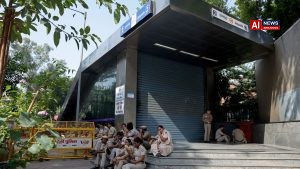
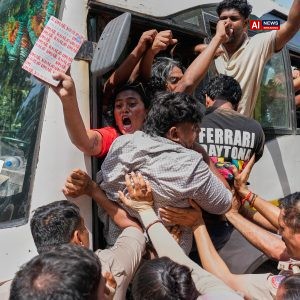
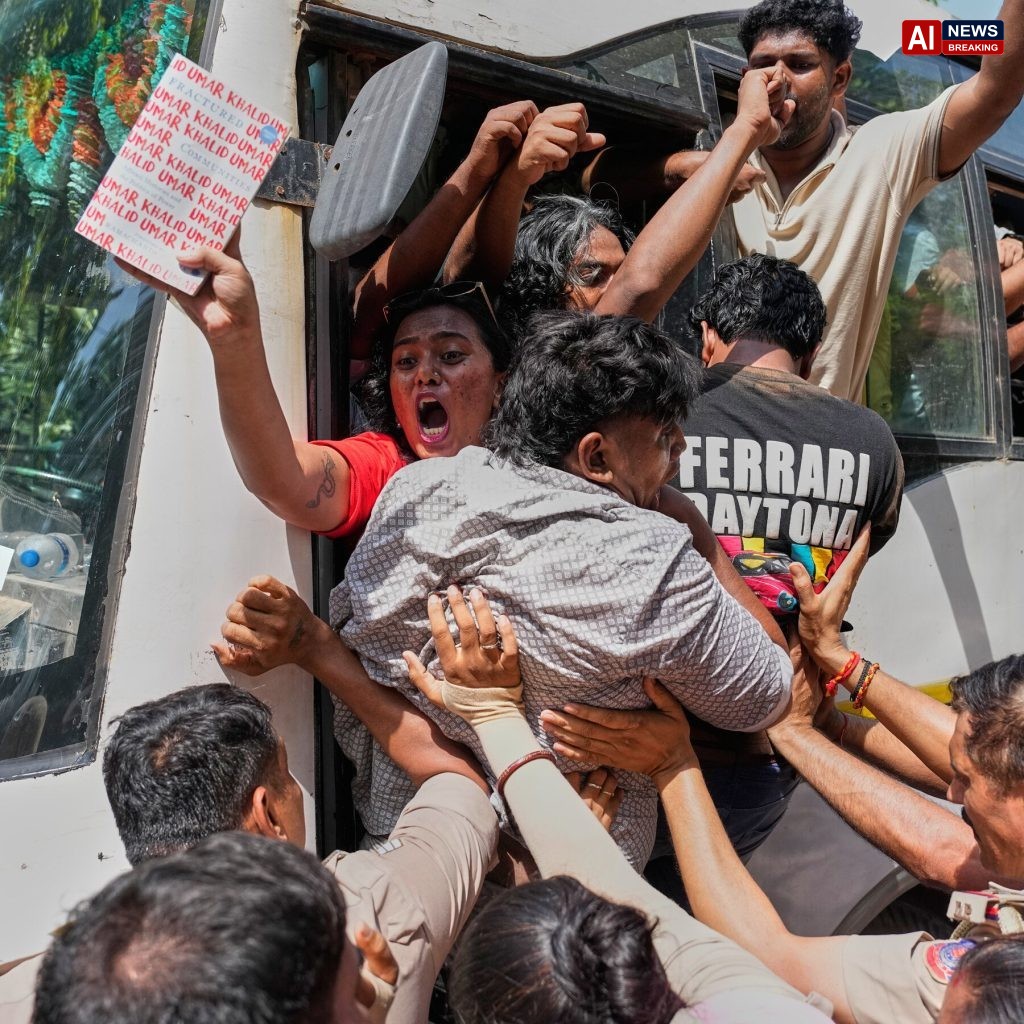
India Faces Fresh Protests, This Time Over Voter Rolls Hundreds of demonstrators gathered outside the Election Commission’s headquarters in New Delhi on Monday, demanding answers after the government announced that 130 million names had been removed from the electoral roll. The crowd, a mixture of senior citizens, young activists and members of opposition parties, chanted slogans against what they described as a “massive purge” that could tilt the outcome of the upcoming general election. Police deployed a large contingent of riot gear and water‑cannons, resulting in the detention of at least 250 protesters, a figure that officials said was necessary to restore order..
The Election Commission, an independent constitutional body, released a statement earlier in the week explaining that the deletions were part of a routine “clean‑up” aimed at eliminating duplicate, obsolete or inaccurate entries. It cited data‑matching exercises with the National Population Register and the Unique Identification Authority of India, asserting that the exercise was designed to preserve the integrity of the franchise. Critics, however, argue that the scale of the removal – roughly 10 % of the nation’s eligible voters – is unprecedented and raises serious concerns about disenfranchisement..
Opposition leader Rahul Gandhi of the Indian National Congress seized on the controversy, calling it “the biggest vote‑theft scandal in independent India’s history.” In a televised interview, he urged the Supreme Court to intervene and order an immediate audit of the voter database. His remarks resonated with the crowd, many of whom held placards bearing the slogan “Our vote, our voice.” The Congress party has pledged to file a petition alleging that the ruling party is manipulating the rolls to secure a decisive advantage in the 2029 parliamentary elections. The ruling Bharatiya Janata Party (BJP) dismissed the accusations as “political theatrics,” insisting that the clean‑up was a transparent, technology‑driven process overseen by non‑partisan officials..
Prime Minister Narendra Modi, speaking from a remote village in Uttar Pradesh, said the government was “protecting the sanctity of democracy” and warned that opposition attempts to politicise the issue would only distract citizens from the nation’s developmental agenda. He urged calm, emphasizing that any genuine grievances could be addressed through the legal mechanisms already in place. Legal experts are divided on the matter..
Some, such as constitutional scholar Prof. Meera Sharma of Jawaharlal Nelson University, argue that the scale of deletions could violate Article 326 of the Constitution, which guarantees every citizen the right to vote. Others, like former Election Commission member Arvind Kumar, contend that the commission has broad discretion to maintain accurate rolls and that the removal of obsolete entries is essential to prevent electoral fraud..
The debate highlights a broader tension between technological efficiency and the risk of systemic exclusion. International observers have taken note. The European Union’s delegation to South Asia released a brief comment urging India to ensure that “any electoral reforms are transparent, inclusive and respect fundamental democratic rights.” The United Nations Development Programme, which supports electoral capacity‑building in the region, offered to provide technical assistance for an independent verification of the rolls, a suggestion that the Indian government has neither accepted nor rejected..
On the ground, the atmosphere remains volatile. Families of detained protesters reported that several men and women were taken to temporary holding facilities near the capital’s central police station. Human rights groups, including the Amnesty International India chapter, have called for the immediate release of all detainees and for an independent inquiry into alleged police excesses..
They warn that the use of force could inflame communal tensions, especially in states where voter registration disputes have previously sparked ethnic clashes. The economic implications of the unrest are also being felt. Small businesses in the vicinity of the protest sites reported a dip in foot traffic, and traders warned that prolonged disruption could affect daily wage earners who rely on street commerce..
Analysts at the Centre for Policy Research noted that any perception of instability ahead of the election could dampen foreign investment, particularly in sectors already wary of regulatory uncertainties. Meanwhile, the Election Commission has announced a deadline of 30 days to address complaints lodged by citizens who claim wrongful deletion from the rolls. An online portal has been set up for individuals to submit appeals, though critics argue that the digital platform may be inaccessible to many rural voters lacking reliable internet connectivity..
The commission also pledged to publish a detailed report outlining the criteria and methodology used in the purge, a move seen as an attempt to restore public confidence. Social media has become a battleground for narratives. Hashtags such as #VoteNotTheft and #CleanRolls have trended simultaneously, reflecting the polarized viewpoints..
While some netizens share personal stories of being barred from voting after receiving deletion notices, others post screenshots of official documents confirming that their names remain active. Fact‑checking organisations have flagged several misleading claims on both sides, underscoring the difficulty of discerning truth amid a flood of unverified information. The upcoming election, scheduled for early 2029, is poised to be one of the most contested in recent memory, with the BJP seeking a third consecutive term and the opposition forging a broad coalition of regional parties..
If the voter‑roll issue is not resolved satisfactorily, it could become a decisive factor influencing voter turnout, especially among the youth, who have historically shown high levels of political engagement through protests and digital activism. As the nation watches, the balance between safeguarding electoral integrity and preserving the universal right to vote hangs in the balance. The outcome of legal challenges, the response of the Election Commission, and the government’s willingness to engage with dissent will likely shape not.
Updated: October 2, 2026