Europe warns of Russia’s hybrid attacks but struggles to counter them
  Former chief election commissioner calls SIR scheme illegal.
  A Corruption Scandal Is Reshaping Brazil’s Presidential Election
  US citizen injured in Illinois after ICE agents mistook him for fugitive, tried to arrest him
  At 10 years old, Smithsonian’s Black museum is undaunted amid pressure from Trump administration
 India Petrol Diesel Prices Surge 90 Paise: Fuel Crisis Hits Consumers Hard
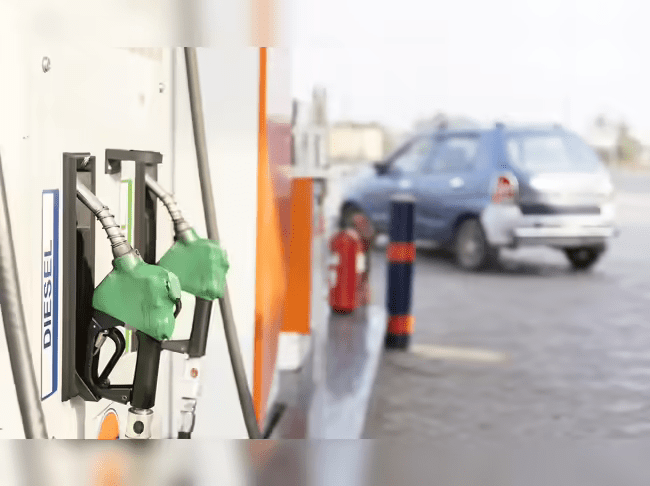
Rising Fuel Costs Leave a Sour Taste for Consumers as Petrol and Diesel Prices Surge.
The Indian government’s decision to hike fuel prices by 90 paise per litre has sent shockwaves across the nation, leaving many consumers reeling in the face of mounting expenses.
Updated: May 19, 2026
Rising Fuel Costs Leave a Sour Taste for Consumers as Petrol and Diesel Prices Surge.
The Indian government’s decision to hike fuel prices by 90 paise per litre has sent shockwaves across the nation, leaving many consumers reeling in the face of mounting expenses. The latest adjustments, which took effect on May 19, mark a significant increase in the already-stressed economy.
According to sources, the prices of both petrol and diesel were raised to cushion the impact of the depreciation of the rupee against the US dollar, and to compensate for the losses incurred by oil marketing companies (OMCs) due to the price hike in global crude markets. These developments come at a time when the global economy is facing a multitude of challenges, including a slowdown of economic growth and rising inflation.
In India, fuel prices are among the most pressing concerns for citizens, particularly in rural areas where access to public transportation and other essential services is often limited. As fuel prices soar, so do the costs of everyday items such as groceries, public transportation, and household expenses. This not only burdens individual households but also hampers small businesses and entrepreneurs who rely on fuel for their operations, further exacerbating the economic strain.
Critics have long argued that frequent fuel price hikes, as seen in recent years, have been unsustainable for the average consumer and contribute to inflation. While the latest increase may not immediately alter India’s macroeconomic prospects or directly affect global trends, it does underscore the nation’s vulnerability to external economic shocks.
In an effort to mitigate these rising costs, the Indian government may consider implementing alternative transportation schemes or incentivizing renewable energy investments to reduce reliance on fossil fuels. This would help alleviate the burden on consumers and contribute to a more sustainable economic future.
Industry experts point out that India’s increasing dependence on fuel imports contributes to its high import bills. They also argue that this trend can be reversed through increased oil exploration efforts and strategic investments in alternative energy sources, which could help reduce the economic burden in the long term.
The recent price hike serves as a poignant reminder of the urgent need for sustainable solutions that address the complex interplay between global and domestic economic forces. India’s policymakers must carefully consider the broader implications of fuel price hikes, weighing the interests of consumers with the need to support businesses and stimulate economic growth.
As the world grapples with environmental concerns, India finds itself at a critical juncture where the push for sustainable solutions meets the reality of economic constraints. The fuel price hike highlights the delicate balance between addressing current economic needs and embracing a more environmentally conscious future.
This price hike poses significant challenges to the government’s efforts to curb inflation and support economic growth. It also has far-reaching implications for India’s energy security and the nation’s ability to meet its renewable energy targets.
Why this matters:
This sudden and substantial fuel price hike will have a direct impact on millions of Indians, particularly those in lower-income households who already struggle to make ends meet. As a result, the hike is likely to exacerbate already-growing inequality, placing an additional burden on the nation’s most vulnerable populations. Furthermore, it has significant implications for India’s overall economic growth prospects and its efforts to achieve self-sufficiency in energy.
Future outlook:
As India navigates this challenging economic landscape, it is likely that policymakers will reassess their strategies to address fuel price hikes, with a particular focus on promoting sustainable energy solutions and reducing the nation’s reliance on imports. This may involve exploring alternatives to fossil fuels, investing in renewable energy, and incentivizing the adoption of more environmentally friendly technologies.
The Indian fuel price hike is a ticking time bomb for the nation's already strained economy, where the line between economic necessity and environmental responsibility is increasingly blurred. This seismic shift in fuel costs is not just a burden on consumers, but a wake-up call for policymakers to re-evaluate their priorities and pivot towards a more sustainable energy future.