Europe warns of Russia’s hybrid attacks but struggles to counter them
  Former chief election commissioner calls SIR scheme illegal.
  A Corruption Scandal Is Reshaping Brazil’s Presidential Election
  US citizen injured in Illinois after ICE agents mistook him for fugitive, tried to arrest him
  At 10 years old, Smithsonian’s Black museum is undaunted amid pressure from Trump administration
 India Proposes Nationwide Ban on Plastic in Pan Masala Packs
**
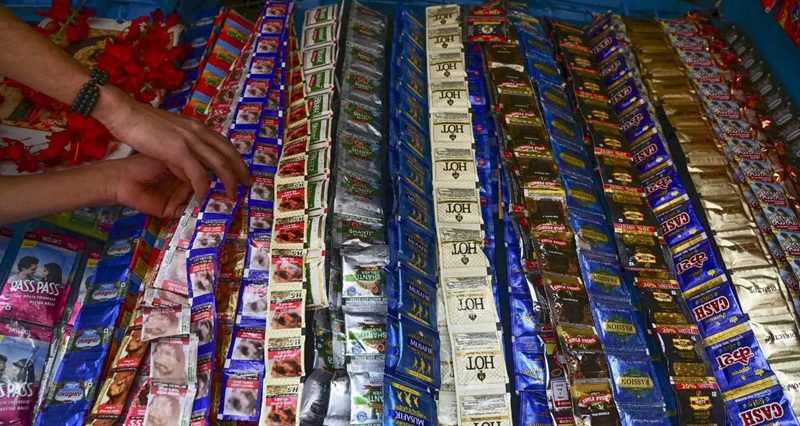
india proposes nationwide plastic:
India Seeks to Revolutionize Pan Masala Industry with Nationwide Plastic Ban
India’s Food Safety and Standards Authority (FSSAI) is poised to transform the pan masala industry with a proposed nationwide ban on plastic and metallized layer packaging, citing environmental damage and public health concerns.
Updated: April 28, 2026
India Seeks to Revolutionize Pan Masala Industry with Nationwide Plastic Ban
India’s Food Safety and Standards Authority (FSSAI) is poised to transform the pan masala industry with a proposed nationwide ban on plastic and metallized layer packaging, citing environmental damage and public health concerns.
Core News:
The FSSAI has released a draft notification outlining a ban on plastic and metallized layer packaging for pan masala, a move that could significantly disrupt the $2.4 billion industry. Currently, the packaging industry relies heavily on multi-layered materials that are difficult to recycle and contribute to non-biodegradable waste. Under the proposed ban, manufacturers could be required to transition to eco-friendly, recyclable, or biodegradable packaging options.
Impact Analysis:
The proposed ban carries substantial economic and environmental implications:
1. Disruption to a multi-billion dollar industry: The pan masala industry is one of India’s largest consumer product segments, and the proposed ban could lead to significant production costs, supply chain disruptions, and potential job losses.
2. Economic ripple effects: The ban could have a ripple effect on other industries, including material suppliers and waste management services, as companies adjust to the new packaging requirements.
3. Environmental benefits: The ban could lead to a significant reduction in plastic waste, mitigating environmental degradation and the impacts of climate change.
4. Health benefits: By reducing the use of non-biodegradable materials, the ban could also help to minimize public health risks associated with the product.
Broader Implications:
India’s proposal serves as a model for other nations to address plastic pollution and promote sustainable packaging practices:
1. Global momentum: The proposed ban could contribute to a global shift toward more sustainable packaging practices, encouraging other countries to adopt similar regulations.
2. Increased industry pressure: The ban could create pressure on other consumer product industries to adopt eco-friendly packaging alternatives, leading to a broader transformation of the global packaging landscape.
3. Potential for increased government regulation: The proposed ban could set a precedent for government intervention in other areas, potentially leading to increased regulatory oversight and stricter environmental regulations.
4. Opportunities for innovators: The proposed ban presents opportunities for companies to develop and market eco-friendly packaging alternatives, potentially driving innovation and economic growth.
Forward-Looking Insights:
1. Accelerated industry transformation: The proposed ban is likely to accelerate the transition to sustainable packaging practices, driving innovation and cost savings for companies.
2. Government-led environmental initiatives: The ban demonstrates the Indian government’s commitment to environmental sustainability, setting a precedent for future initiatives and regulations.
3. Increased scrutiny on plastic waste: The proposal highlights the need for continued attention to plastic pollution and waste management, driving further research and innovation in this area.
India’s proposed nationwide ban on plastic and metallized layer packaging for pan masala marks a significant milestone in the country’s efforts to address environmental degradation and promote sustainable practices. The move carries substantial economic and environmental implications and sets a precedent for global regulatory shifts toward more sustainable packaging practices.
The proposed ban on plastic packaging in India’s pan masala industry is a clear sign that companies are no longer allowed to prioritize profits over people and the planet. By forcing manufacturers to adopt eco-friendly packaging, India is paving the way for a global revolution in sustainable consumer goods.
This is a developing story. More updates will follow as new information becomes available.
This is a developing story. More updates will follow as new information becomes available.
This is a developing story. More updates will follow as new information becomes available.
This is a developing story. More updates will follow as new information becomes available.
This is a developing story. More updates will follow as new information becomes available.
This is a developing story. More updates will follow as new information becomes available.
This is a developing story. More updates will follow as new information becomes available.
This is a developing story. More updates will follow as new information becomes available.
This is a developing story. More updates will follow as new information becomes available.