Europe warns of Russia’s hybrid attacks but struggles to counter them
  Former chief election commissioner calls SIR scheme illegal.
  A Corruption Scandal Is Reshaping Brazil’s Presidential Election
  US citizen injured in Illinois after ICE agents mistook him for fugitive, tried to arrest him
  At 10 years old, Smithsonian’s Black museum is undaunted amid pressure from Trump administration
 Sri Lanka Arrests 22 Buddhist Monks for Narcotics Trafficking at Bandaranaike Airport
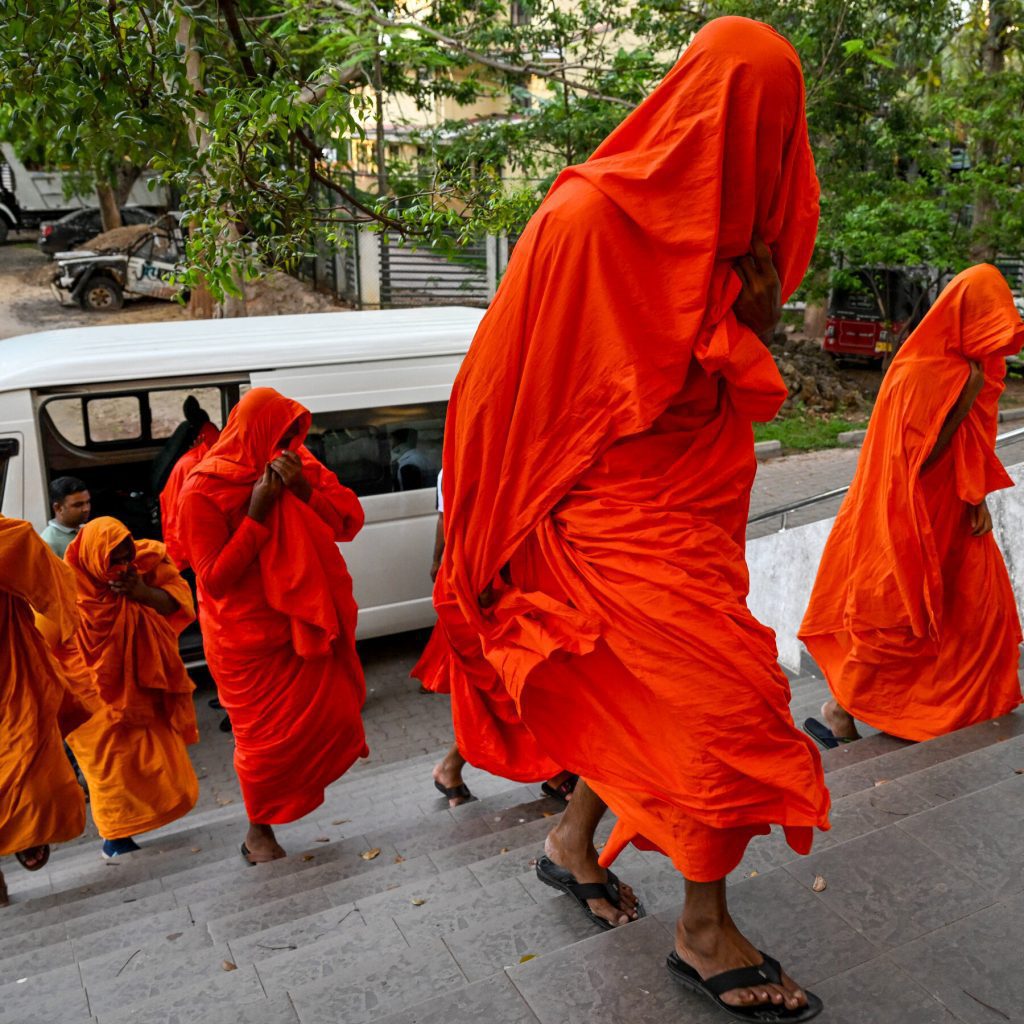
lanka arrests buddhist monks:
Sri Lanka Scandal: 22 Buddhist Monks Accused of Narcotics Trafficking
In a shocking development, 22 Buddhist monks were arrested on Saturday at Sri Lanka’s main international airport, sparking a wave of controversy and concern within the country’s religious and law enforcement communities.
The monks, who had returned from a trip to Thailand, were found to be in possession of 240 pounds of cannabis, leading authorities to suspect that they were involved in narcotics trafficking.
Updated: April 28, 2026
Sri Lanka Scandal: 22 Buddhist Monks Accused of Narcotics Trafficking
In a shocking development, 22 Buddhist monks were arrested on Saturday at Sri Lanka’s main international airport, sparking a wave of controversy and concern within the country’s religious and law enforcement communities. The monks, who had returned from a trip to Thailand, were found to be in possession of 240 pounds of cannabis, leading authorities to suspect that they were involved in narcotics trafficking.
What Happened
On Saturday, Sri Lankan authorities detained 22 Buddhist monks at the Bandaranaike International Airport upon their return from a trip to Thailand. During a routine baggage screening, officials discovered large quantities of cannabis weighing 240 pounds, hidden within the monks’ luggage. The monks, members of the Buddhist clergy, allegedly brought the narcotics back to Sri Lanka, fueling concerns over the involvement of spiritual leaders in organized crime.
Background
This scandal is not the first instance of Buddhist monks being accused of involvement in narcotics trafficking. In recent years, Sri Lanka has faced growing concerns over the use of Buddhism as a cover for illicit activities, including human trafficking, money laundering, and other crimes.
The incident also highlights a larger, nationwide trend of organized crime within Sri Lanka, which has been plagued by corruption, gang violence, and rising crime rates in recent years. The country’s porous borders, coupled with lax law enforcement, have made it an attractive hub for transnational organized crime, further exacerbating concerns over safety and security.
Key Concerns
The arrest of the 22 monks sends a powerful message, raising questions about the level of tolerance within Sri Lankan society and law enforcement for spiritual leaders suspected of engaging in illicit activities.
Critics argue that the incident highlights the systemic failure of the Buddhist clergy to address corruption within their ranks and the failure of law enforcement to effectively address the rising tide of organized crime.
Moreover, the discovery of large quantities of narcotics in the monks’ possession raises concerns about the country’s porous borders and the vulnerability of Sri Lanka to transnational crime networks.
What Next
The investigation into the incident is ongoing, with authorities working to unravel the complex web of connections between the accused monks and potential organized crime networks. If found guilty, the monks may face serious charges, including narcotics trafficking and money laundering.
The scandal serves as a wake-up call for Sri Lanka to address its long-standing issues with corruption, gang violence, and organized crime. To restore public trust, authorities will need to demonstrate that justice is being served and that the country is committed to upholding the rule of law.
The implications of the incident extend far beyond Sri Lanka, with the arrest of Buddhist monks raising questions about the use of spirituality as a cover for illicit activities in other parts of the world, including Southeast Asia and beyond.
This incident underscores the blurred lines between religiosity and crime, suggesting that the reverence afforded to spiritual leaders can sometimes undermine efforts to hold them accountable for wrongdoings. The fact that 22 Buddhist monks were trusted with trafficking large quantities of cannabis raises questions about the efficacy of Sri Lanka's vetting processes and the role of institutional failure in perpetuating these illicit activities.
This is a developing story. More updates will follow as new information becomes available.
This is a developing story. More updates will follow as new information becomes available.
This is a developing story. More updates will follow as new information becomes available.
This is a developing story. More updates will follow as new information becomes available.
This is a developing story. More updates will follow as new information becomes available.
This is a developing story. More updates will follow as new information becomes available.
This is a developing story. More updates will follow as new information becomes available.