Europe warns of Russia’s hybrid attacks but struggles to counter them
  Former chief election commissioner calls SIR scheme illegal.
  A Corruption Scandal Is Reshaping Brazil’s Presidential Election
  US citizen injured in Illinois after ICE agents mistook him for fugitive, tried to arrest him
  At 10 years old, Smithsonian’s Black museum is undaunted amid pressure from Trump administration
 India Raises Concerns with US Over New Visa Rules Affecting Students and Travellers, Says MEA
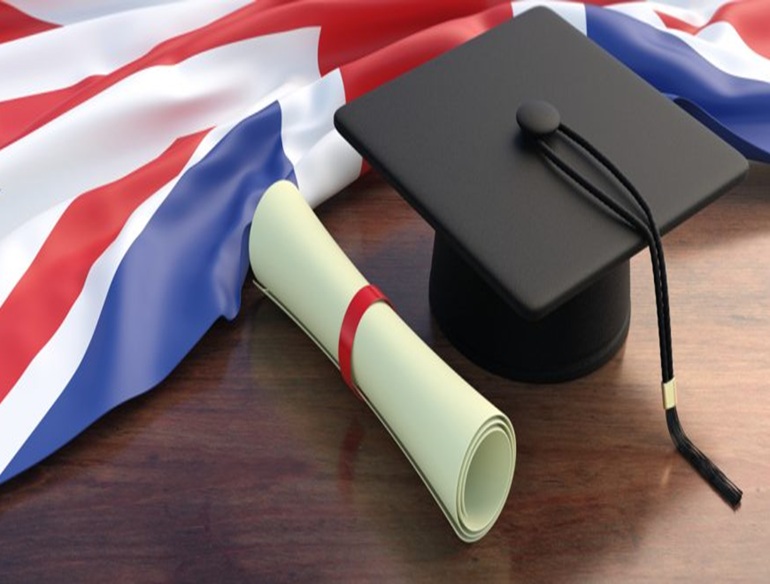
india raises concerns visa:
India has formally engaged with the United States over newly announced visa regulations that could significantly affect Indian students, exchange visitors, and journalists. The Ministry of External Affairs (MEA) has assured that it is working closely with U.S. authorities to minimize difficulties faced by genuine Indian nationals.
The Government of India has raised concerns with the United States over recently announced visa and immigration rule changes that are expected to impact thousands of Indian students, exchange visitors, journalists, and travellers. The Ministry of External Affairs (MEA) confirmed that it is actively engaging with U.S. authorities to ensure that legitimate Indian nationals are not adversely affected by the new regulations.
The development comes after the U.S. Department of Homeland Security (DHS) unveiled significant changes to the country’s non-immigrant visa framework. The revised rules will replace the decades-old “Duration of Status” (D/S) system for several visa categories with a fixed period of admission, fundamentally changing how foreign nationals remain in the United States.
India’s Response to the New U.S. Visa Rules
Responding to questions during a weekly media briefing, MEA spokesperson Randhir Jaiswal stated that visa and immigration policies are sovereign matters of every nation. However, he emphasized that India remains committed to protecting the interests of its citizens abroad.
“We’ve seen some reports regarding the visa rules. Visa rules and immigration matters are sovereign functions of any state,” Jaiswal said. He added that whenever issues affecting genuine Indian students and travellers are brought to the government’s attention, India takes them up with the U.S. administration to minimize difficulties faced by its citizens.
The MEA’s statement provides reassurance to the large Indian diaspora and the thousands of students who travel to the United States each year for higher education and exchange programs.
What Are the New U.S. Visa Rules?
The new DHS regulations introduce fixed periods of stay for several categories of non-immigrant visa holders, including:
- F visas (International Students)
- J visas (Exchange Visitors)
- I visas (Foreign Media Representatives and Journalists)
For decades, holders of these visas were admitted under the “Duration of Status” policy, which allowed them to remain in the United States as long as they maintained their academic or professional status.
Under the revised framework, visa holders will now receive a specified period of authorized stay, after which they must either:
- Leave the United States,
- Apply for an extension,
- Change their immigration status, or
- Obtain approval to continue their stay.
The changes are expected to come into effect later this year and represent one of the most significant overhauls of America’s student visa system in decades.
Indian Students Likely to Be Among the Most Affected
Indian nationals constitute one of the largest groups of international students studying in the United States. According to recent education statistics, hundreds of thousands of Indian students are enrolled in American universities and graduate programs.
The revised visa policy is expected to particularly impact:
- Undergraduate students.
- Master’s degree candidates.
- PhD scholars.
- Exchange program participants.
- Research scholars.
- Visiting journalists.
One major change under the new regulations is the reduction in the grace period granted to F-1 student visa holders after graduation. Previously, students were allowed up to 60 days to either leave the country, transfer institutions, or change their immigration status. The new rule shortens this period to just 30 days.
This change may create additional administrative and logistical challenges for students planning employment transitions, visa changes, or further studies.
Why Has the United States Introduced These Changes?
The U.S. Department of Homeland Security has stated that the updated visa framework is intended to strengthen immigration oversight and prevent misuse of non-immigrant visa categories.
American authorities argue that introducing fixed admission periods will:
- Improve immigration compliance.
- Enhance national security.
- Reduce visa overstays.
- Strengthen monitoring mechanisms.
- Ensure timely visa renewals and extensions.
The United States has increasingly tightened visa screening and immigration procedures in recent years, particularly for student and employment-based visa categories. Expanded background checks and social media screening requirements have also been introduced for several visa applicants.
Concerns Among Indian Students
The announcement has generated considerable concern among Indian students and their families, many of whom invest substantial financial resources in American education.
Several issues have emerged as key concerns:
Longer Courses Could Face Complications
Programs such as doctoral studies and research fellowships frequently extend beyond four years. Students may now be required to seek extensions or additional approvals during their academic tenure.
Increased Administrative Burden
Universities and international student offices are expected to experience greater administrative workloads due to extension applications and compliance requirements.
Reduced Flexibility After Graduation
The shorter grace period following graduation may affect students seeking Optional Practical Training (OPT), employment opportunities, or transitions to work visas.
Uncertainty Over Future Policies
Many students are closely monitoring whether additional visa restrictions or procedural changes could be announced in the future.
These concerns are particularly relevant for Indian students, who represent one of the largest international student communities in the United States.
India’s Diplomatic Engagement
The Ministry of External Affairs has reiterated that India regularly raises concerns affecting its citizens with foreign governments whenever necessary.
According to the MEA, Indian missions and diplomatic channels remain actively engaged in addressing:
- Visa-related issues.
- Immigration concerns.
- Student welfare matters.
- Traveller difficulties.
- Consular assistance requirements.
India’s diplomatic engagement with Washington reflects the growing importance of educational ties between the two countries.
The United States remains one of the most preferred destinations for Indian students pursuing higher education abroad. Educational cooperation continues to be a significant pillar of the India-U.S. strategic partnership.
What Should Indian Students Do?
Experts advise students currently planning to study in the United States to:
- Closely monitor official DHS announcements.
- Stay in touch with their universities’ international student offices.
- Maintain updated immigration documents.
- Plan graduation and visa timelines carefully.
- Consult immigration advisors if necessary.
Prospective students should avoid relying on social media speculation and instead refer to official government notifications for accurate information.
While the United States has every sovereign right to determine its immigration policies, India’s proactive diplomatic engagement signals its commitment to safeguarding the interests of Indian nationals abroad.
The coming months will be crucial as educational institutions, students, and policymakers assess the practical implications of the new visa regulations.
For Indian students aspiring to pursue academic and professional opportunities in the United States, the new rules may require greater planning and compliance. However, both New Delhi and Washington are expected to continue working together to ensure that legitimate academic and cultural exchanges between the two countries remain strong.
As global mobility policies evolve, international students will increasingly need to stay informed and adaptable. India’s assurance that it will take up genuine cases of hardship with U.S. authorities offers an important measure of support during this transition.
Insight: The latest U.S. visa reforms highlight a broader global trend toward stricter immigration oversight for international students and temporary visitors. For India, which sends one of the world’s largest student populations abroad, diplomatic engagement will be critical in ensuring that legitimate educational opportunities remain accessible. The changes also underscore the need for students to plan their academic and immigration pathways more strategically than ever before.