Europe warns of Russia’s hybrid attacks but struggles to counter them
  Former chief election commissioner calls SIR scheme illegal.
  A Corruption Scandal Is Reshaping Brazil’s Presidential Election
  US citizen injured in Illinois after ICE agents mistook him for fugitive, tried to arrest him
  At 10 years old, Smithsonian’s Black museum is undaunted amid pressure from Trump administration
 India Rejects Nepal’s Objection to Kailash Mansarovar Yatra via Lipulekh Pass.
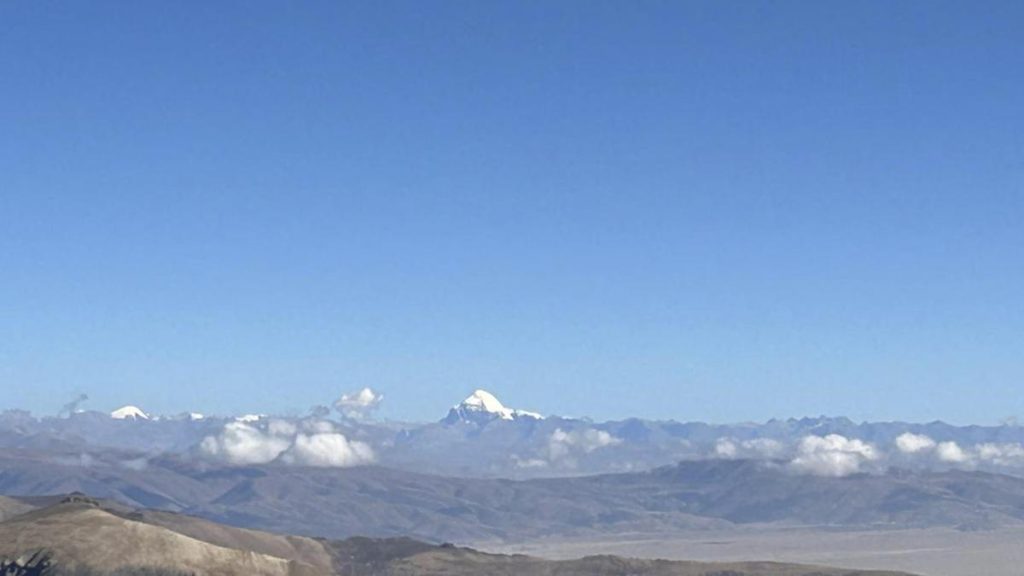
india rejects nepals objection:
India has defused a bilateral tension with Nepal by rejecting its objection to the Kailash Mansarovar Yatra via the Lipulekh Pass.
This decision marks a significant development in the complex history of the two countries’ border disputes.
Updated: May 3, 2026
India has defused a bilateral tension with Nepal by rejecting its objection to the Kailash Mansarovar Yatra via the Lipulekh Pass. This decision marks a significant development in the complex history of the two countries’ border disputes. Despite the seemingly minor issue on the surface, this rejection carries substantial implications for regional stability, economic cooperation, and India’s broader geopolitical position.
Core News:
In a recent statement, the Ministry of External Affairs announced that India remains open to engaging in constructive dialogue with Nepal on all issues, including boundary disputes, but firmly rejected Nepal’s objection to the Kailash Mansarovar Yatra via Lipulekh Pass. The issue at the heart of the dispute centers around the Lipulekh Pass, a mountain valley that serves as a pilgrimage route for thousands of devotees. Nepal has long maintained that the pass falls within its territory, a claim disputed by India.
Impact Analysis:
The decision is likely to impact regional trade and economic cooperation between India and Nepal, as they are currently negotiating a revised Trade and Transit Treaty. India’s firm stance on the boundary dispute could lead to delays or possible disruptions in the negotiations. Moreover, Nepal’s continued protests may strain bilateral relations, potentially affecting other areas, such as security cooperation and infrastructure development. However, on a positive note, the resolution of the issue via diplomatic channels suggests that the parties may be willing to resolve other contentious issues through dialogue.
Broader Implications:
The consequences of India’s decision extend beyond the immediate border dispute, influencing regional dynamics and India’s strategic posture:
1. India’s Neighboring Policy: The incident highlights India’s stance on boundary disputes with its neighbors. Willingness to engage in constructive dialogue suggests that India may adopt a more flexible approach to resolving territorial disputes with its smaller neighbors.
2. South Asia Security Dynamics: The outcome of the controversy reinforces the significance of regional dialogue in de-escalating border tensions in South Asia. This may encourage other neighboring countries, such as Bhutan and Bangladesh, to explore diplomatic avenues for resolving their own territorial disputes.
3. Regional Economic Interconnectivity: Nepal’s trade and investment ties with major partners in the region, such as India, China, and Bangladesh, will likely continue to evolve, depending on the broader implications of the Kailash Mansarovar Yatra and Lipulekh Pass disputes.
4. Chinese Influence: The decision comes as China expands its influence across the Himalayan regions, with strategic infrastructure projects such as the China-Nepal-Bangladesh Trilateral Highway. India’s firm stance on the boundary dispute may deter Chinese ambitions in the region but could also heighten tensions between the two powers.
As tensions persist, India’s diplomatic approach, particularly in resolving disputes with its smaller neighbors, will continue to shape regional dynamics. In the coming months, it is crucial to monitor whether Nepal escalates the situation or resorts to other diplomatic avenues to resolve the issue. The resolution will reveal insights into India’s strategic priorities and commitment to engaging in constructive dialogue in resolving boundary disputes.
India’s decision to reject Nepal’s objection to the Kailash Mansarovar Yatra via Lipulekh Pass could signal a shift towards de-escalating border tensions through dialogue, rather than allowing them to simmer and boil over into regional instability. By embracing diplomatic channels, India may be positioning itself as a key facilitator of regional cooperation and a champion of peaceful conflict resolution in South Asia.
This is a developing story. More updates will follow as new information becomes available.