Europe warns of Russia’s hybrid attacks but struggles to counter them
  Former chief election commissioner calls SIR scheme illegal.
  A Corruption Scandal Is Reshaping Brazil’s Presidential Election
  US citizen injured in Illinois after ICE agents mistook him for fugitive, tried to arrest him
  At 10 years old, Smithsonian’s Black museum is undaunted amid pressure from Trump administration
 Iran Eases Limited Internet Restrictions as Nationwide Blackout Nears 60-Day Mark
Iran has partially lifted some internet restrictions after a 50-day nationwide blackout, but concerns remain about a potential “tiered internet” model that could exacerbate social and economic inequalities and suppress dissenting voices.
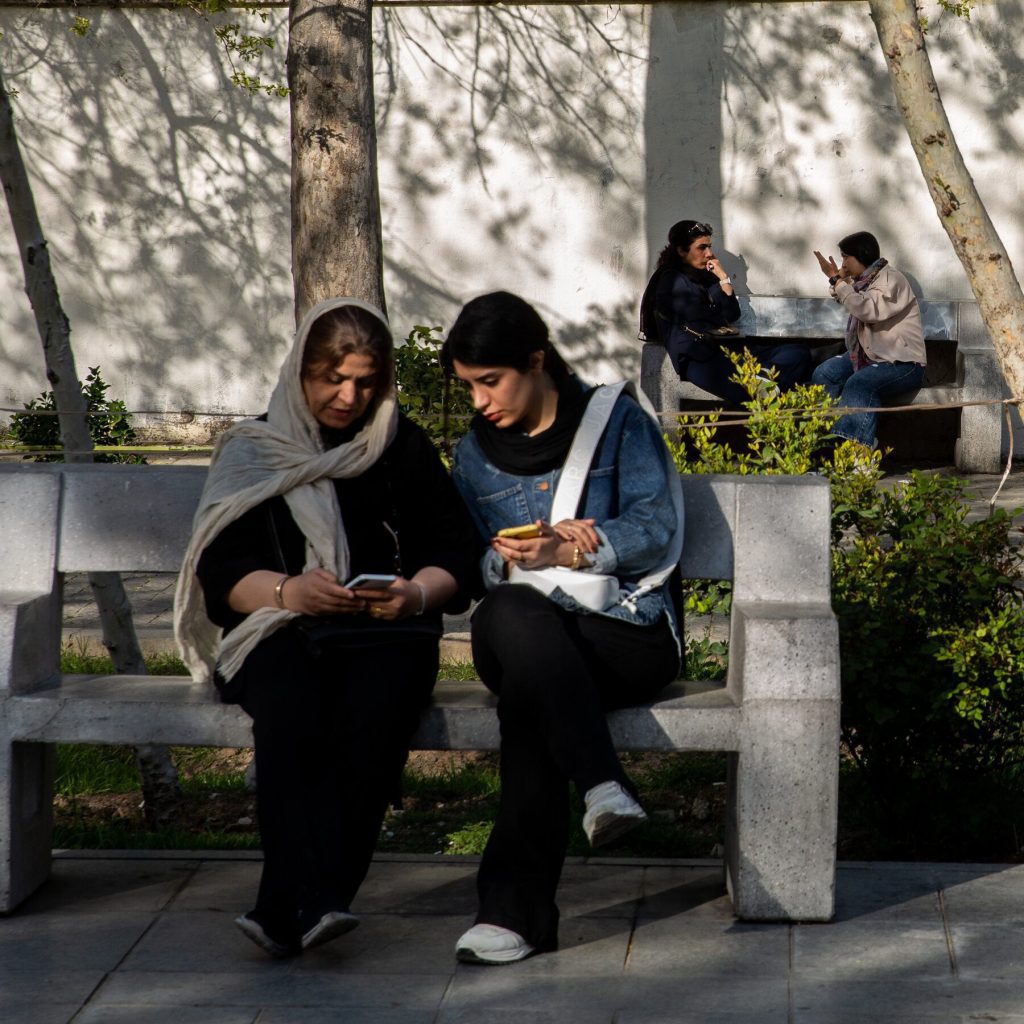
A significant development has emerged in Iran, where the government has partially lifted some internet restrictions, even as the country’s wider internet blackout has surpassed 50 days. This move has sparked concerns among critics, who argue that Iran may be introducing a “tiered internet” model, where access to the internet is reserved for the politically and economically privileged. The blackout was initially imposed in response to widespread protests and unrest, and its prolonged duration has had far-reaching consequences for the country’s citizens, businesses, and international relations.
The Iranian government’s decision to ease some restrictions is seen as a cautious step towards relaxing its grip on the internet, although the scope and impact of this move remain unclear. As the blackout continues, many Iranians remain unable to access social media platforms, messaging apps, and other online services, which has severely limited their ability to communicate, access information, and conduct business.
The prolonged internet blackout has had a devastating impact on Iran’s economy, with many businesses struggling to operate without access to online services. The lack of internet connectivity has also made it difficult for citizens to access vital information, including news, healthcare services, and educational resources. The international community has condemned the blackout, calling on the Iranian government to restore full internet access and respect the rights of its citizens to freedom of expression and information.
Critics of the Iranian government’s internet policies argue that the creation of a “tiered internet” model would exacerbate existing social and economic inequalities. By limiting access to the internet to certain groups, the government may be able to maintain control over the flow of information and suppress dissenting voices. This raises concerns about the long-term implications of such a model, including the potential for further censorship, surveillance, and repression.
The Iranian government has not commented on the introduction of a “tiered internet” model, and the true extent of the eased restrictions remains unclear. As the situation continues to unfold, it is likely that the international community will maintain pressure on the Iranian government to restore full internet access and respect the rights of its citizens. The ongoing blackout has highlighted the complex and often contentious relationship between governments, technology, and human rights, and its resolution will be closely watched by observers around the world.
As the blackout enters its second month, the people of Iran continue to face significant challenges in their daily lives. The lack of internet access has disrupted everything from healthcare services to financial transactions, and the economic costs of the blackout are likely to be severe. The Iranian government’s decision to ease some restrictions may be a step in the right direction, but it is clear that much more needs to be done to address the concerns of citizens and the international community.
This is a developing story. More updates will follow as new information becomes available.
This is a developing story. More updates will follow as new information becomes available.
This is a developing story. More updates will follow as new information becomes available.