Europe warns of Russia’s hybrid attacks but struggles to counter them
  Former chief election commissioner calls SIR scheme illegal.
  A Corruption Scandal Is Reshaping Brazil’s Presidential Election
  US citizen injured in Illinois after ICE agents mistook him for fugitive, tried to arrest him
  At 10 years old, Smithsonian’s Black museum is undaunted amid pressure from Trump administration
 Iran Threatens Gulf Minefields as Middle East Crisis Escalates Amid Fears of Widespread Destruction
The Middle East crisis has taken a dramatic turn, with Iran threatening to lay mines across the Gulf and destroy regional water and energy facilities, sparking concerns about widespread destruction and disruption to global trade, as the international community scrambles to respond to the escalating conflict.
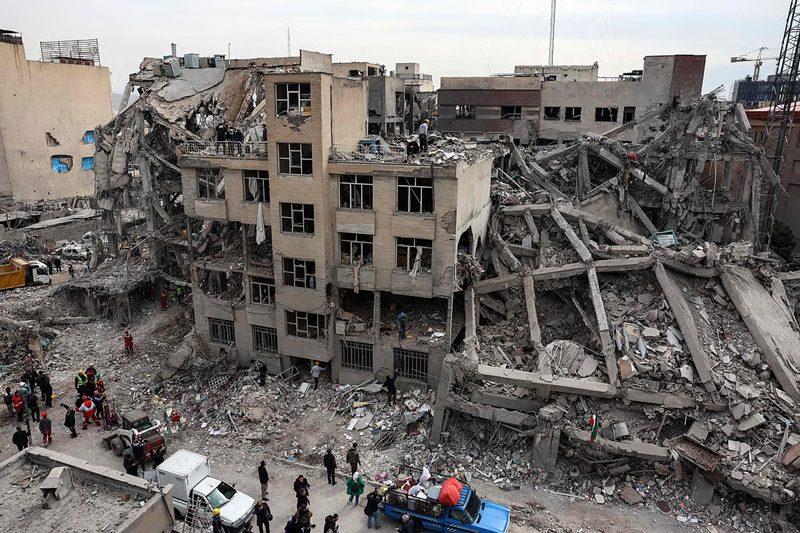
The Middle East crisis has taken a dramatic turn, with Iran threatening to lay mines across the entire Gulf if its coasts are attacked. This latest escalation comes as Israel warns that the conflict could continue for weeks. The Iranian government has also vowed to destroy water and energy facilities in the region if the US attacks its power plants. The situation remains highly volatile, with financial markets bracing for another turbulent week.
The Iranian government has been ramping up its rhetoric in response to the threat of a major attack on the Kharg island or a coastal attack. The country’s leadership has made it clear that it will not hesitate to take drastic measures to defend its territory and interests. The threat to lay mines across the Gulf is a significant escalation, as it would have major implications for global trade and security.
As the crisis deepens, the international community is scrambling to respond. British Prime Minister Keir Starmer is set to chair an emergency meeting on Monday to discuss the economic fallout from the war in Iran. The meeting will be attended by Chancellor of the Exchequer Rachel Reeves and Bank of England Governor Andrew Bailey, among others. The UK government has announced that the meeting will cover a range of topics, including the economic impact of the crisis on families and businesses, energy security, and the resilience of industry and supply chains.
The meeting comes as financial markets face another week of uncertainty. The situation in the Middle East has already had a significant impact on global markets, with oil prices fluctuating wildly in recent days. The threat of further escalation has only added to the sense of unease, with investors and analysts watching the situation closely. The international response to the crisis will be a major topic of discussion at the meeting, as world leaders seek to find a way to bring the conflict to an end.
The US has been at the center of the crisis, with President Donald Trump threatening to “obliterate” Iran’s power plants if the country does not fully open up the Strait of Hormuz. The Iranian government has responded by threatening to strike its Gulf neighbors’ energy and water systems. The situation remains highly volatile, with the potential for further escalation still very much alive.
As the crisis continues to unfold, the global community is holding its breath. The potential consequences of a full-scale conflict in the Middle East are dire, with the potential for widespread destruction and loss of life. The international community is urging calm and restraint, as diplomats work to find a way to bring the conflict to an end. The coming days will be crucial in determining the course of the crisis, as world leaders seek to find a way to navigate the complex and treacherous landscape of the Middle East.