Europe warns of Russia’s hybrid attacks but struggles to counter them
  Former chief election commissioner calls SIR scheme illegal.
  A Corruption Scandal Is Reshaping Brazil’s Presidential Election
  US citizen injured in Illinois after ICE agents mistook him for fugitive, tried to arrest him
  At 10 years old, Smithsonian’s Black museum is undaunted amid pressure from Trump administration
 Iran War Costs America 37.5 Billion: Is Washington Heading Toward Another Endless Conflict
The United States has spent an estimated $37.5 billion on the war with Iran, according to Defense Secretary Pete Hegseth, raising concerns about the long-term financial, military, and political consequences of the conflict, and sparking questions about whether America is heading toward another endless and costly war.
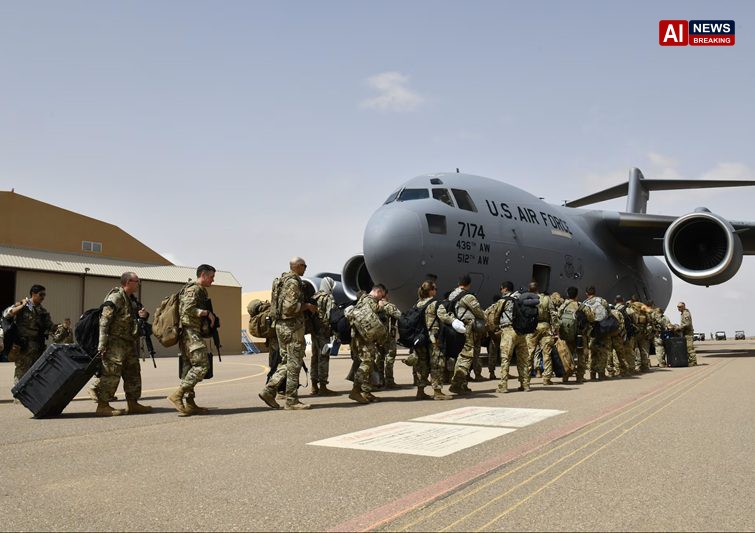
Iran War Costs America 37.5 Billion: Is Washington Heading Toward Another Endless Conflict - AI News Breaking
iran costs america billion:
The United States has spent an estimated $37.5 billion on the war with Iran so far, according to Defense Secretary Pete Hegseth. The revelation, made during testimony before the Senate Appropriations Committee, has intensified scrutiny of the Trump administration’s Middle East strategy as lawmakers question whether America is entering another prolonged and costly conflict.
The latest estimate comes as the Pentagon seeks billions more in emergency funding, raising concerns about the long-term financial, military and political consequences of the war.
Key Highlights
- Iran war costs have reached $37.5 billion, according to Pete Hegseth.
- The Pentagon is seeking an additional $67 billion in funding.
- Senators questioned the administration’s long-term strategy.
- U.S. military casualties continue to increase.
- Anti-war protests interrupted congressional hearings.
- Questions remain regarding the duration and ultimate cost of the conflict.
- The conflict is becoming a major political issue ahead of upcoming elections.
Iran War Cost Reaches $37.5 Billion
The financial cost of America’s military campaign against Iran has climbed to $37.5 billion, Defense Secretary Pete Hegseth told senators during a tense hearing on Capitol Hill this week. The figure includes current expenditures and projected operational costs through September 30, including military pay, operations and maintenance expenses.
The announcement marks a significant increase from previous Pentagon estimates. In May, officials placed the cost of the conflict at approximately $29 billion. The latest figure suggests that expenses have risen by nearly $8.5 billion in just a few months as military operations continue across the Middle East.
Hegseth’s testimony came at a pivotal moment in the conflict, with the Pentagon requesting an additional $67 billion in supplemental funding for military operations and related defense expenditures. The broader White House package reportedly exceeds $87 billion and includes several domestic spending priorities.
Senators Question Pentagon’s Strategy
Several senators from both parties challenged Hegseth over the administration’s strategy, asking whether the United States has a clear endgame in Iran.
Senator Dick Durbin pressed the Defense Secretary on how the Pentagon arrived at the $37.5 billion estimate and whether the administration expects costs to continue escalating. Other lawmakers questioned the inclusion of future anticipated costs in the current estimate and sought greater transparency regarding military objectives.
Democratic Senator Patty Murray expressed concerns about the growing financial burden on American taxpayers and warned that prolonged military engagement could affect domestic priorities, including infrastructure, healthcare and education spending.
The hearing was repeatedly interrupted by anti-war protesters, highlighting growing public unease about the conflict and its expanding human and financial toll.
A Familiar Question: How Long Will This War Last?
For many Americans, the latest developments have revived memories of Iraq and Afghanistan.
Both conflicts began with limited objectives and relatively modest initial costs before evolving into decades-long military commitments that collectively cost trillions of dollars. While Pentagon officials insist that the current campaign differs substantially from previous wars, critics argue that the warning signs are difficult to ignore.
Key questions remain unanswered:
- What constitutes victory in Iran?
- Is there a diplomatic exit strategy?
- How long can military operations be sustained?
- What are the projected costs over the next year?
- Will additional U.S. troops be required in the future?
These questions have become increasingly important as the conflict enters another phase with no immediate resolution in sight.
Human Cost Continues to Rise
Beyond the financial implications, the war continues to exact a human toll.
Pentagon officials recently confirmed additional U.S. military casualties, bringing the number of American service members killed in the conflict to at least 18, while hundreds more have sustained injuries since hostilities intensified.
Meanwhile, military families across the United States continue to grapple with repeated deployments and uncertainty regarding the duration of the conflict.
The humanitarian situation in the region has also deteriorated, with ongoing strikes contributing to instability across the Middle East and increasing fears of wider regional escalation.
Pentagon Seeks More Funding
The $37.5 billion figure may not represent the final price tag.
The Pentagon has requested an additional $67 billion in emergency funding to support operations, replenish munitions and maintain military readiness. Officials argue that failing to approve the funding could negatively affect training programs and preparedness across the armed forces.
Hegseth defended the request as a necessary investment in national security, arguing that America cannot afford to fall behind geopolitical rivals.
“This is a generational investment,” he told lawmakers, emphasizing the need to maintain military superiority amid rising tensions involving Iran, Russia and China.
However, critics contend that continued funding without clearly defined objectives risks creating an open-ended military commitment.
Economic Consequences Beyond the Battlefield
The impact of the Iran war extends far beyond defense budgets.
Economists have warned that prolonged instability in the Middle East could affect:
- Global oil prices.
- Inflation rates.
- Supply chain stability.
- Financial markets.
- Consumer spending.
The Strait of Hormuz remains one of the world’s most strategically important shipping lanes, carrying a substantial portion of global energy supplies. Any disruption could have immediate consequences for economies around the world.
For American taxpayers, the financial implications are equally significant. The $37.5 billion spent thus far represents funding that could otherwise support domestic programs, infrastructure projects or debt reduction initiatives.
Political Pressure Intensifies
The war is increasingly becoming a major political issue in Washington.
With midterm elections approaching, lawmakers are facing growing pressure from constituents demanding greater accountability regarding military spending and foreign policy decisions.
Public opinion appears increasingly divided. While some Americans support strong military action against Iran, others question whether the United States should remain deeply involved in another Middle Eastern conflict.
The administration’s handling of the war is likely to remain a central topic in congressional debates throughout the remainder of the year.
Editorial Perspective
History has repeatedly shown that wars are rarely as short or inexpensive as governments initially predict. Whether Vietnam, Iraq or Afghanistan, military conflicts have a tendency to expand beyond their original scope.
The Iran war may ultimately prove justified in the eyes of policymakers, but democratic societies function best when citizens understand both the objectives and the costs of military action.
At $37.5 billion—and rising—the financial burden is already substantial. The more pressing question is whether Washington can clearly articulate what success looks like and how it intends to achieve it.
Without a defined strategy, Americans may once again find themselves asking a familiar question years from now: Was the cost worth it?
Insight:The latest cost estimate underscores a recurring challenge in modern warfare: military operations often expand faster than public expectations and budget projections. While national security concerns remain paramount, prolonged conflicts can reshape economies, politics and public trust. The Iran war’s ultimate legacy may depend less on battlefield outcomes and more on whether policymakers can demonstrate a clear path toward a sustainable resolution.