Indonesia denies foreign claim to rescued orangutans
 Turkey hosts COP31 climate talks in Antalya.
 Pope meets Argentine bishops.
 APOD: 2026 November 8 – Major Fireball Meteor
 Indonesian Horror Hit ‘Pabrik Gula’ Gets 2028 Sequel as MD Entertainment Lines Up Three Imax Films
Iranian woman moves Madras High Court wanting to know procedure for obtaining X-Miscellaneous visa
**
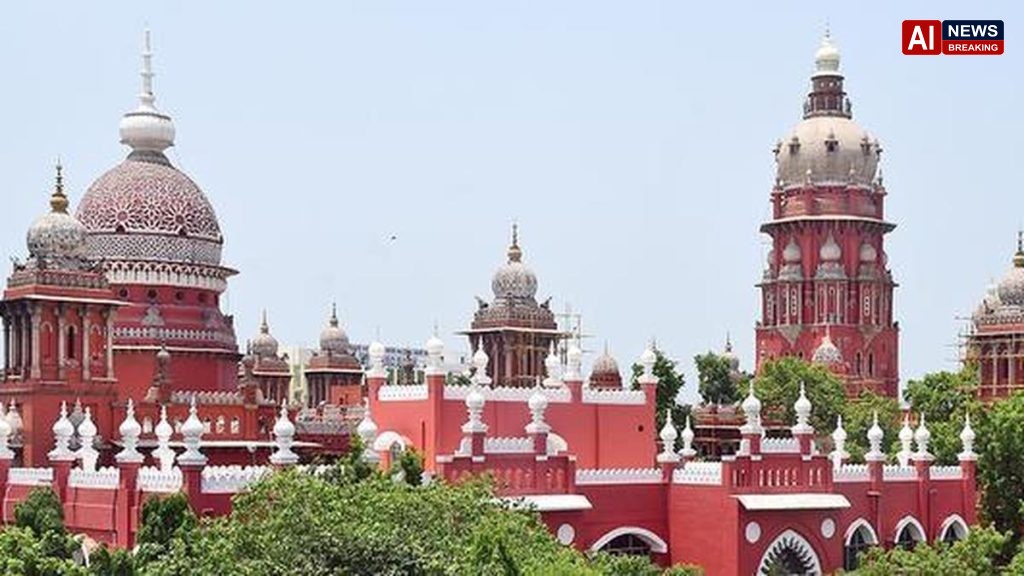
Iranian woman moves Madras High Court wanting to know procedure for obtaining X-Miscellaneous visa - AI News Breaking
Pegah Ansari, a 30‑year‑old Iranian national, appeared before the Madras High Court on Tuesday seeking clarity on the procedural steps required to obtain an X‑Miscellaneous visa, a category that permits foreign nationals to remain in India for non‑employment purposes such as medical treatment, research or cultural activities. Her appearance, however, was not merely a legal enquiry; it was underscored by a personal grievance that has drawn attention to the treatment of foreign detainees in India’s immigration system.Ansari, who arrived in the southern state of Tamil Nadu in early 2022 on a tourist visa, was detained in May 2023 by the Directorate General of Foreign Trade (DGFT) at the Tiruchi Special Camp for Foreigners, a facility used to hold individuals whose visa status is under scrutiny. The detention followed a criminal case filed against her for alleged overstaying, a charge that she contends was resolved after the court granted her bail in August 2023..
Despite the bail order, Ansari says she remained confined in the camp for several weeks, an experience she described as “unjust and punitive.”In her petition, filed through a senior advocate, Ansari argued that the continued detention violated both the Supreme Court’s pronouncements on the right to liberty and the procedural safeguards enshrined in the Foreigners Act, 1946. She cited the Supreme Court’s 2019 judgment in Bhatia v. Union of India, which held that a foreigner’s liberty cannot be curtailed without a valid, transparent procedure, and urged the High Court to examine whether the administrative machinery in Tamil Nadu had adhered to those standards.The court’s bench, comprising Justice P. Vijayalakshmi and Justice A. K. Jain, listened to the petitioner’s counsel before allowing the Union Ministry of Home Affairs to respond..
The ministry’s representative, a senior officer from the Ministry of External Affairs, contended that the detention was a routine precautionary measure pending verification of the petitioner’s visa status and that the bail order had been duly communicated to the camp authorities. He further noted that the X‑Miscellaneous visa category is not automatically granted; applicants must submit a detailed dossier, including medical certificates, research proposals or cultural invitations, and await clearance from the Ministry of Home Affairs and the Ministry of External Affairs.Legal experts observing the hearing noted that the case sits at the intersection of immigration law and fundamental rights. “The X‑Miscellaneous visa is a relatively obscure provision, and its procedural opacity often leads to confusion among applicants,” said Dr..
R. S. Mohan, a professor of constitutional law at the National Law School of India University. “When a foreign national is detained after bail, it raises serious questions about the coordination between judicial orders and administrative action, especially in a federal structure where state police and central immigration authorities share responsibilities.”Human rights organisations have also weighed in, issuing a joint statement after the hearing. Amnesty International India and the Centre for Human Rights and Justice highlighted a pattern of prolonged detentions of foreign nationals in special camps across the country, arguing that such practices contravene international human rights norms..
They called for a comprehensive review of the Special Camp for Foreigners, urging the government to adopt a transparent framework that includes timely notification of legal rights, access to consular assistance, and independent oversight mechanisms.In response, the Home Ministry’s counsel emphasized recent reforms aimed at reducing the backlog of visa applications and improving detainee welfare. He pointed to the 2022 amendment to the Foreigners (Regulation of Entry and Stay) Rules, which introduced an electronic tracking system for visa overstays and mandated periodic judicial review of detention cases exceeding 30 days. “While the system is not flawless, steps are being taken to ensure that detention is used sparingly and only when absolutely necessary,” the counsel said.The Madras High Court, after hearing both sides, reserved its judgment..
The bench indicated that it would examine the bail order’s implementation, the statutory limits on detention periods, and the procedural guidelines governing the issuance of X‑Miscellaneous visas. The court also signalled its intent to issue directions, if warranted, to ensure that any future detentions adhere strictly to the procedural safeguards outlined in both domestic law and international conventions to which India is a signatory.Meanwhile, Ansari’s case has sparked a broader conversation on the adequacy of India’s visa categories for long‑term stays that do not fit neatly into employment or student frameworks. The X‑Miscellaneous visa, introduced in 2017, is intended for a catch‑all purpose, yet its lack of clear criteria has left many applicants uncertain about eligibility and timelines..
Immigration lawyers in Chennai have reported an uptick in inquiries, with some clients expressing frustration over “grey areas” that delay their ability to secure necessary permissions for medical treatment or academic research.The situation also underscores the diplomatic dimension of immigration enforcement. Iran’s embassy in New Delhi has lodged a diplomatic note with the Indian government, expressing concern over the treatment of its citizen and requesting assurance that due process would be observed. The embassy’s spokesperson, Hassan Rashidi, noted that Iran and India share a “long‑standing friendship” and called for “mutual respect of each other’s legal processes.” He added that Iran remains ready to cooperate with Indian authorities to resolve any outstanding issues pertaining to Ms Ansari’s case.As the legal saga unfolds, the Madras High Court’s forthcoming decision could set a precedent for how Indian courts balance state security concerns with individual liberties in the realm of immigration..
For Pegah Ansari, the outcome may determine not only her immediate ability to travel freely but also the clarity with which other foreign nationals navigate the labyrinth of visa regulations. The case serves as a reminder that the interface between law, bureaucracy and human rights remains a delicate, often contested, space in a country that continues to attract a diverse array of visitors, scholars, patients and cultural practitioners..
Updated: November 3, 2026
Pegah Ansari, an Iranian tourist turned detainee, argued before the Madras High Court that her continued confinement in a special camp after a bail order breached Indian and international liberty guarantees. The court will review whether the X‑Miscellaneous visa process and state detentions met procedural safeguards, a ruling that could reshape how foreign stays are regulated in India.
Insight: India’s use of special camps as a default “security” measure risks turning a few bureaucratic hiccups into a systemic human‑rights blind spot, eroding trust among foreign nationals and their home governments. The court’s ruling will decide whether this practice can be reined in without compromising the nation’s diplomatic image or its own legal integrity.