Europe warns of Russia’s hybrid attacks but struggles to counter them
  Former chief election commissioner calls SIR scheme illegal.
  A Corruption Scandal Is Reshaping Brazil’s Presidential Election
  US citizen injured in Illinois after ICE agents mistook him for fugitive, tried to arrest him
  At 10 years old, Smithsonian’s Black museum is undaunted amid pressure from Trump administration
 Israel-Lebanon Border Clashes Escalate, Fragile Cease-Fire Faces Renewed Threat
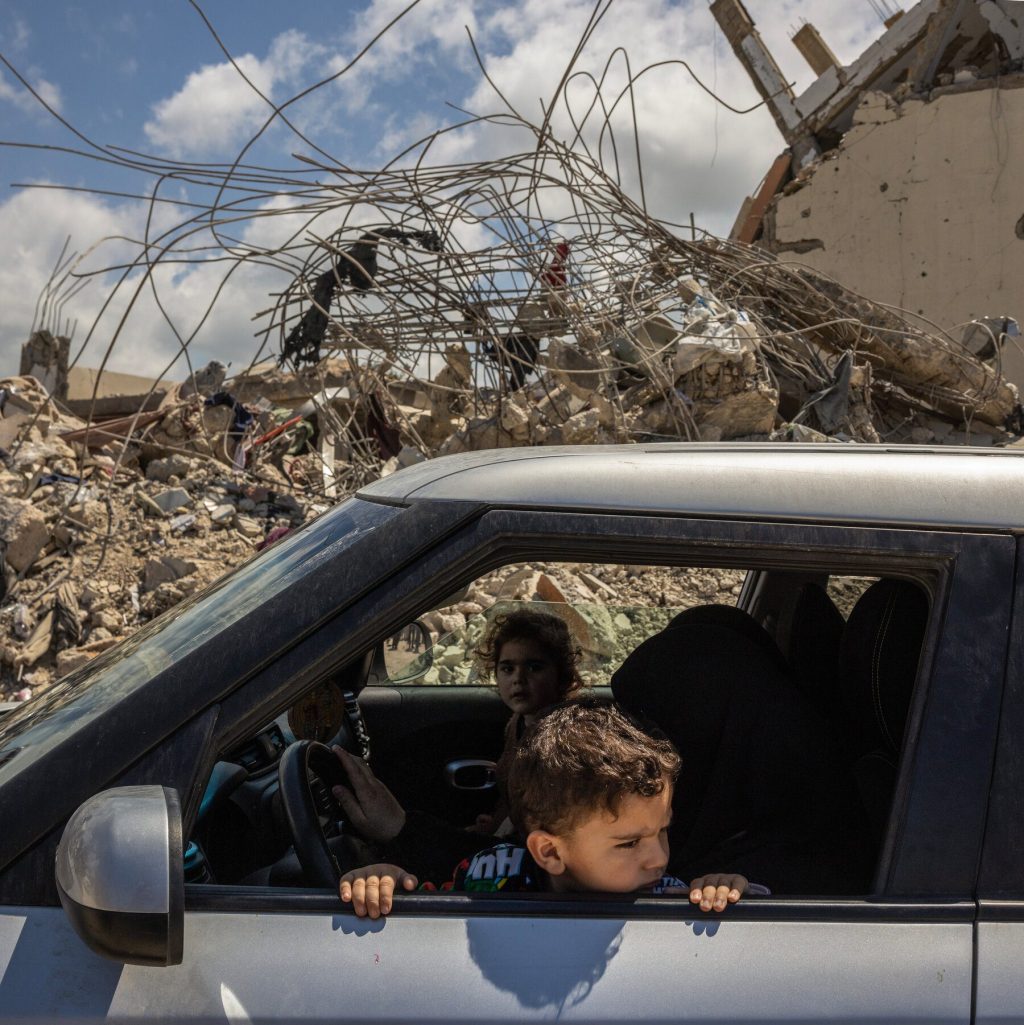
israellebanon border clashes escalate:
Tensions along the Israel-Lebanon border have surged once again, placing a fragile cease-fire under significant strain and raising fears of a broader regional escalation. What had been a tenuous calm following months of cross-border hostilities is now increasingly at risk, as both sides exchange fire and rhetoric intensifies. The developments highlight the persistent volatility in one of the Middle East’s most sensitive flashpoints, where even limited incidents can rapidly spiral into wider conflict.
Renewed Violence Along a Sensitive Frontier
In recent days, multiple incidents of cross-border attacks have been reported along the Israel-Lebanon boundary, a region historically marked by conflict between Israeli forces and the Iran-backed militant group Hezbollah. According to security sources, rockets, artillery fire, and drone activity have been detected across several sectors of the border, signaling a worrying uptick in hostilities.
Israeli defense officials have confirmed that their forces responded to what they described as “provocations” originating from Lebanese territory. These responses included targeted artillery strikes and aerial surveillance operations aimed at neutralizing perceived threats. Meanwhile, Hezbollah-affiliated channels have claimed responsibility for certain attacks, framing them as retaliatory measures against Israeli military actions.
The situation remains fluid, with neither side showing clear signs of de-escalation. Instead, the pattern of tit-for-tat exchanges suggests that the cease-fire agreement—already fragile—is being tested to its limits.
Background: A Cease-Fire Under Pressure
The current cease-fire arrangement between Israel and Hezbollah was never intended as a permanent solution but rather as a temporary mechanism to prevent full-scale war. Brokered through international mediation efforts, the agreement aimed to reduce hostilities following a period of intense clashes that threatened to engulf the region.
However, the cease-fire has been characterized by frequent violations, often involving limited strikes, surveillance incursions, and proxy engagements. These incidents, while typically contained, have created a persistent atmosphere of mistrust and instability.
Analysts note that the absence of a comprehensive political resolution has left the cease-fire vulnerable. Without clear mechanisms for enforcement or accountability, both sides have continued to operate within a grey zone—pushing boundaries while avoiding outright war.
Strategic Calculations on Both Sides
The recent escalation appears to be driven by a combination of strategic signaling and domestic considerations. For Israel, maintaining deterrence against Hezbollah remains a top priority. Israeli military doctrine emphasizes rapid and decisive responses to any perceived threat, particularly along its northern border.
Defense officials have indicated that Israel will not tolerate attacks on its territory and is prepared to escalate if necessary. At the same time, there is a clear effort to avoid a full-scale conflict, which could have significant economic and political consequences.
On the Lebanese side, Hezbollah faces its own set of pressures. As a dominant political and military force in Lebanon, the group must balance its role as a resistance movement against Israel with the realities of Lebanon’s ongoing economic crisis. Escalating tensions can serve to reinforce its ideological positioning, but a prolonged conflict could further destabilize an already fragile state.
Regional dynamics also play a critical role. Hezbollah’s alignment with Iran means that developments along the Israel-Lebanon border are closely tied to broader geopolitical tensions involving Tehran, Washington, and other regional actors.
Civilian Impact and Humanitarian Concerns
As violence intensifies, civilians on both sides of the border are increasingly at risk. Communities in northern Israel and southern Lebanon have reported heightened security alerts, with residents seeking shelter amid fears of rocket attacks and airstrikes.
Local authorities have implemented precautionary measures, including temporary evacuations and the closure of schools in affected areas. Humanitarian organizations have also raised concerns about the potential for displacement and the disruption of essential services.
The psychological toll on civilians is significant. Many residents have experienced repeated cycles of conflict, leading to chronic stress and uncertainty. For families living near the border, the threat of sudden escalation is a constant reality.
International Reactions and Diplomatic Efforts
The latest developments have drawn attention from the international community, with calls for restraint and de-escalation coming from multiple quarters. The United Nations has expressed concern over the violations of the cease-fire and urged both sides to adhere to existing agreements.
Diplomatic channels are reportedly active, with mediators attempting to prevent further deterioration of the situation. However, progress remains limited, as underlying tensions continue to drive conflict dynamics.
The United States and European powers have reiterated their support for stability in the region, emphasizing the importance of avoiding actions that could lead to a wider war. At the same time, regional actors are closely monitoring the situation, aware that any escalation could have far-reaching implications.
Military Posture and Readiness
Both Israel and Hezbollah appear to be maintaining a high level of military readiness. Israeli forces have increased patrols and surveillance along the border, while also reinforcing key positions. Advanced defense systems, including missile interception technologies, are reportedly on heightened alert.
Hezbollah, for its part, is believed to have mobilized fighters and positioned assets in strategic locations. The group’s capabilities, which include a significant arsenal of rockets and drones, pose a substantial challenge to Israeli defenses.
Military analysts warn that even a minor miscalculation could trigger a larger confrontation. The proximity of forces and the intensity of current exchanges create a volatile environment where escalation can occur rapidly.
Historical Context: A Longstanding Conflict
The Israel-Lebanon border has been a focal point of conflict for decades, shaped by a complex interplay of political, religious, and strategic factors. The 2006 war between Israel and Hezbollah remains a defining moment, demonstrating the destructive potential of large-scale confrontation.
Since then, the border has experienced periods of relative calm interspersed with episodes of violence. The current situation reflects this pattern, with underlying tensions periodically erupting into open conflict.
Understanding the historical context is essential for assessing the current crisis. The absence of a lasting peace agreement means that each incident carries the risk of reigniting broader hostilities.
Economic and Political Implications
The escalation comes at a time when both Israel and Lebanon are facing significant internal challenges. In Israel, political divisions and security concerns continue to shape policy decisions. Maintaining stability along the northern border is crucial for economic confidence and national security.
Lebanon, meanwhile, is grappling with a severe economic crisis marked by currency devaluation, high unemployment, and widespread poverty. Any escalation with Israel could exacerbate these challenges, further straining the country’s already limited resources.
For Hezbollah, the stakes are particularly high. While the group seeks to project strength, it must also consider the potential backlash from a population weary of conflict.
The Risk of Regional Spillover
One of the most concerning aspects of the current situation is the potential for regional spillover. The Middle East remains a highly interconnected geopolitical landscape, where conflicts in one area can quickly impact others.
Tensions involving Iran, Israel, and allied groups have already contributed to instability in multiple theaters, including Syria and the Gulf region. An escalation along the Israel-Lebanon border could further complicate these dynamics, drawing in additional actors and increasing the risk of a broader confrontation.
Scenarios for the Coming Days
Looking ahead, several scenarios are possible. The most optimistic outcome would involve a return to relative calm, facilitated by diplomatic intervention and mutual restraint. This would likely require both sides to step back from current hostilities and reaffirm their commitment to the cease-fire.
A more concerning scenario involves continued low-intensity conflict, with periodic exchanges of fire and ongoing violations of the cease-fire. While this would avoid full-scale war, it would perpetuate instability and increase the risk of accidental escalation.
The worst-case scenario is a major ռազմական confrontation, triggered by a significant incident or miscalculation. Such a conflict could have devastating consequences for both sides and the broader region.