 Italy’s Young Protesters Return to the Streets
 ‘Not realistic’ – Can Wolff’s assessment of Antonelli’s title chance be trusted?
 Sullivan, Peltola seek support from Alaska Native voters ahead of crucial Senate race
Italy’s Young Protesters Return to the Streets
**
Italy’s Young Protesters Return to the Streets - AI News Breaking
italys young protesters return:
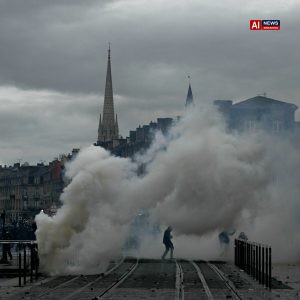
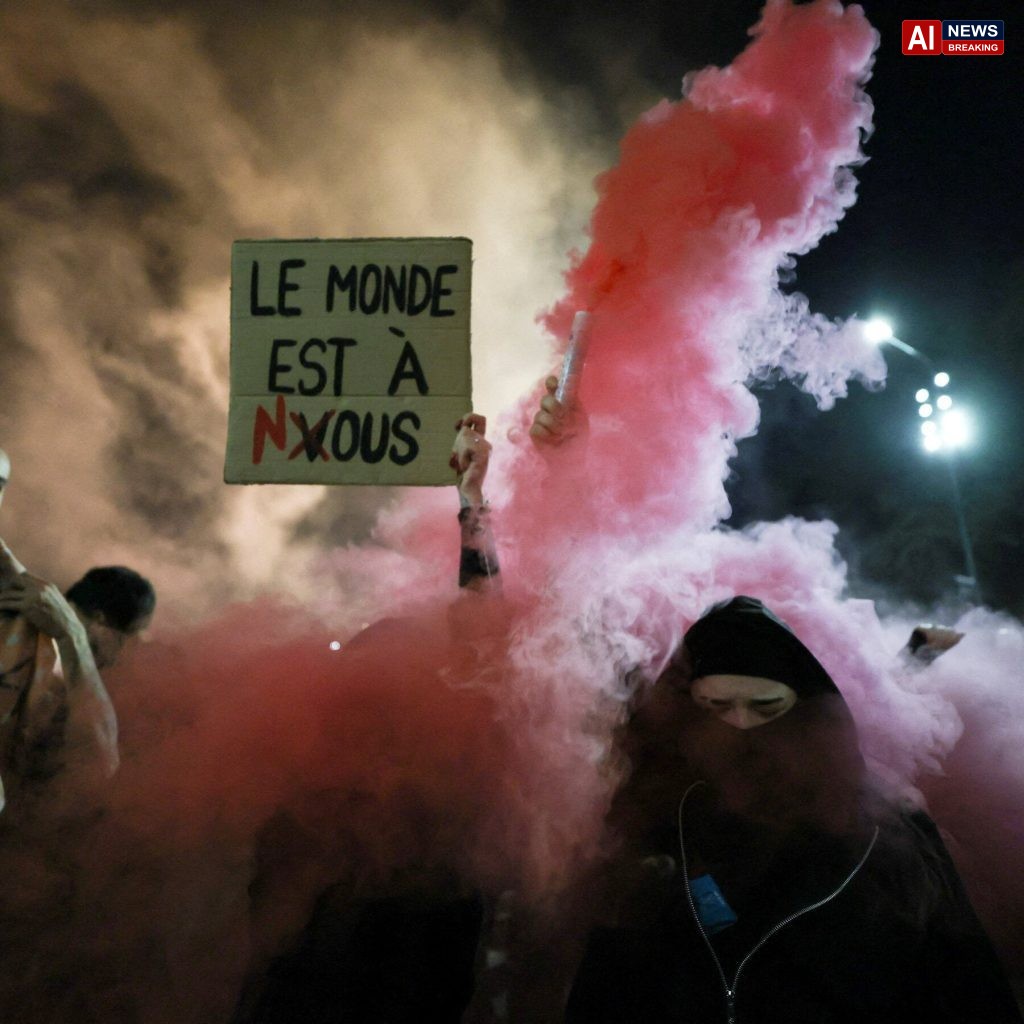
The streets of Italy’s major cities have again been filled with the chants and banners of young demonstrators, who returned to public squares this week after a weekend of clashes that saw police intervene with force. The renewed mobilisation, organised largely through social media platforms, reflects a growing frustration among university students and recent graduates who say they are bearing the brunt of a soaring cost of living, precarious employment and a political system they view as unresponsive. While the previous protests were marked by isolated incidents of violence that dominated headlines, organisers of the latest gathering stress that the focus remains on economic hardship and the need for structural reforms.In Rome, a crowd of several hundred assembled near the historic Piazza Venezia, holding signs that read “No more rent hikes” and “Jobs, not promises.” The demonstration began at 10 a.m..
and proceeded without major interruptions, as police maintained a visible but largely unobtrusive presence. Speakers from student unions and civil‑society groups addressed the assembly, highlighting data from the National Institute of Statistics that shows real wages have fallen by nearly 8 percent over the past three years, while rent prices in the capital have risen by an average of 12 percent in the same period. The speakers called for a comprehensive review of housing policies and for the government to adopt measures that would make entry‑level jobs more stable and better remunerated.Similar scenes unfolded in Milan, where young activists converged on the area surrounding the University of Milan’s main campus..
Here, the emphasis shifted to the precarious nature of temporary contracts that dominate the Italian labour market for graduates. A representative of the General Confederation of Labour (CGIL) highlighted that more than half of workers under 30 are employed on contracts lasting less than six months, a figure that has risen steadily since the 2010s. Protesters held up placards quoting a recent European Commission report that warned Italy’s youth unemployment rate, at roughly 23 percent, remains one of the highest in the EU..
The crowd’s demands included the introduction of a statutory minimum term for full‑time contracts and stronger enforcement of anti‑discrimination clauses.In the southern city of Naples, the demonstration took on a more localized tone, with participants demanding relief from rising utility costs and the recent increase in regional taxes. Organisers pointed to the fact that electricity bills for households have surged by 15 percent in the last twelve months, a rise they attribute to both global energy market fluctuations and domestic policy decisions. The protestors called for a targeted subsidy scheme for low‑income families and a review of the regional tax code that they say disproportionately affects young renters and small business owners.The weekend’s earlier protests, which had been largely confined to smaller groups in Florence and Bologna, were marred by confrontations between a handful of agitators and police, resulting in the deployment of tear gas and the arrest of several individuals..
Media coverage of those events focused heavily on the violence, prompting criticism from youth organisations that felt their broader message was being eclipsed by sensationalist reporting. In response, the new wave of protests was deliberately structured to avoid flashpoints, with organisers issuing clear guidelines on peaceful assembly and urging participants to refrain from any form of property damage.Government officials have acknowledged the surge in public discontent, though their responses have varied across ministries. The Ministry of Labour, in a statement released on Tuesday, affirmed that the cabinet is “deeply aware of the challenges faced by young Italians” and pledged to “accelerate the implementation of the Youth Employment Incentive Programme, which aims to convert temporary contracts into permanent positions over a three‑year horizon.” Meanwhile, the Ministry of Economy and Finance warned that fiscal constraints limit the scope for immediate subsidies, citing a projected budget deficit of 5.6 percent of GDP for the current fiscal year..
The ministry’s spokesperson stressed the need for “responsible budgeting” while acknowledging the urgency of addressing inflationary pressures that hit low‑income households hardest.Political parties across the spectrum have attempted to position themselves as champions of the youth agenda. The centre‑left Democratic Party (PD) has proposed a “new social contract” that includes a cap on rent increases in major urban centres and the creation of a national fund to support start‑ups founded by graduates under 30. Conversely, the right‑wing Brothers of Italy party has warned against “over‑regulation” and has called for tax cuts aimed at stimulating private sector hiring..
In parliamentary debates over the past week, opposition parties have pressed the government to adopt a “comprehensive youth policy” that integrates education, employment and housing, but consensus remains elusive.Economists observing the situation note that Italy’s demographic challenges compound the current unrest. With a median age of 47 and a fertility rate well below replacement level, the country’s long‑term economic growth hinges on the ability to retain and integrate young talent. Alessandra Bianchi, a senior fellow at the Italian Institute for Economic Studies, warned that “if the grievances of today’s youth are not addressed through concrete policy measures, the risk of a prolonged brain drain and reduced productivity will intensify.” She added that targeted investment in vocational training and apprenticeships could alleviate some of the pressures on the labour market, but such initiatives require sustained political will.The resurgence of street activism has also sparked a debate about the role of digital mobilisation in modern Italian politics..
Researchers from the University of Padua have documented a sharp rise in the use of encrypted messaging apps and private forums to coordinate protest logistics, a shift that they say reflects both a distrust of traditional media and a desire for rapid, decentralized organisation. While these tools enable swift mobilisation, they also pose challenges for authorities seeking to maintain public order, as they can complicate efforts to anticipate crowd sizes and potential flashpoints.International observers have taken note of the developments, with the European Commission’s Directorate‑General for Employment, Social Affairs and Inclusion issuing a brief commentary that highlighted Italy’s “ongoing challenges in youth employment” and urged member states to share best practices. The commentary referenced successful programmes in Germany and the Netherlands that combine wage subsidies with mentorship schemes, suggesting that Italy could adapt similar models to its own context..
However, the Commission also cautioned that any policy response must be calibrated to Italy’s fiscal reality and the broader macro‑economic environment.As the week draws to a close, the mood among the demonstrators appears cautiously optimistic. While many acknowledge that immediate policy shifts are unlikely, they stress the importance of sustained pressure to keep their concerns on the national agenda. A spokesperson for the student coalition that organised the Rome march said, “We are not looking for a single protest to solve everything; we aim to build a movement that forces.
The youth‑led uprisings expose a structural fault line: without decisive reform of housing and labor security, Italy risks a talent exodus that will deepen its demographic and productivity crisis.
Their disciplined, digitally‑coordinated protests signal a new political catalyst—one that could force parties to reconceptualize fiscal policy around generational equity or, conversely, accelerate a backlash that entrenches austerity.