Europe warns of Russia’s hybrid attacks but struggles to counter them
  Former chief election commissioner calls SIR scheme illegal.
  A Corruption Scandal Is Reshaping Brazil’s Presidential Election
  US citizen injured in Illinois after ICE agents mistook him for fugitive, tried to arrest him
  At 10 years old, Smithsonian’s Black museum is undaunted amid pressure from Trump administration
 Jammu and Kashmir Revenue Recruitment Row: Urdu Requirement Dropped or Barrier Removed Debate Intensifies
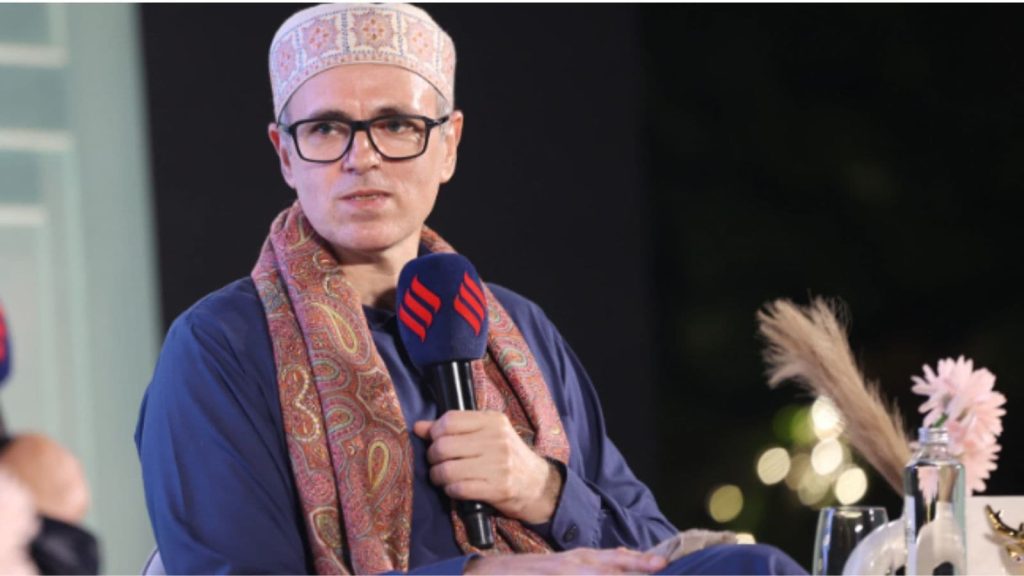
jammu kashmir revenue recruitment:
A fresh controversy has erupted in Jammu and Kashmir over changes to recruitment rules in the revenue department, with the decision to drop the mandatory Urdu language requirement sparking a sharp political and social debate. While the administration argues that the move removes an outdated barrier and widens job access, critics claim it risks eroding the region’s linguistic heritage and administrative continuity.
At the heart of the issue lies a fundamental question: Is the policy reform a step toward inclusivity or a dilution of tradition?
What Has Changed?
Traditionally, proficiency in Urdu—the historical administrative language of Jammu and Kashmir—was a mandatory qualification for recruitment to posts such as patwaris (revenue officials). However, recent changes to recruitment rules have either removed or relaxed this requirement, allowing candidates without Urdu proficiency to apply.
The administration has justified the decision by stating that:
- It aims to expand the talent pool
- It removes a language-based barrier that limited opportunities for many qualified candidates
- It aligns recruitment with modern administrative practices
Why Urdu Was Important
Urdu has long held a central place in Jammu and Kashmir’s governance system. Revenue records, land documents, and official correspondence have historically been maintained in Urdu, making language proficiency essential for administrative efficiency.
Supporters of the Urdu requirement argue that:
- It ensures accuracy in land records and documentation
- It preserves institutional continuity
- It protects the cultural and linguistic identity of the region
For decades, knowledge of Urdu was seen not just as a skill, but as a necessity for effective functioning within the revenue department.
The Political Flashpoint
The policy shift has quickly turned into a political flashpoint, with opposition parties and regional leaders criticizing the move.
Critics’ Arguments:
- The change is viewed as an attempt to “sideline Urdu”
- It may weaken administrative efficiency, especially in rural areas where records remain in Urdu
- It could have cultural implications, given Urdu’s historical significance in J&K
Some leaders have accused the administration of making decisions without adequate consultation, further intensifying the controversy.
Government’s Defense
The administration has strongly defended the reform, framing it as a progressive step toward inclusivity.
Key Points from the Government:
- Many capable candidates were excluded due to lack of Urdu proficiency
- Language skills can be taught during training, whereas talent and technical ability are harder to develop
- Modernization efforts are gradually shifting records toward digitization and multilingual formats
Officials also emphasize that the move does not ban Urdu but merely removes it as a mandatory entry requirement.
Impact on Job Aspirants
For thousands of job seekers in Jammu and Kashmir, the decision has significant implications.
Positive Impact:
- Wider access to government jobs
- Increased competition and diversity in recruitment
- Opportunities for candidates from non-Urdu backgrounds
Concerns:
- Existing candidates with Urdu proficiency may feel disadvantaged
- New recruits may face challenges in handling legacy records
Administrative Challenges Ahead
Even as the recruitment rules change, practical challenges remain:
- A large portion of land and revenue records are still in Urdu script
- Transitioning to new systems will require training and resources
- There may be a temporary gap in efficiency during the transition phase
Experts suggest that a balanced approach—retaining Urdu training while broadening eligibility—could help address both concerns.
AI Insight
The Jammu and Kashmir revenue recruitment row over the Urdu requirement has sparked a complex debate that goes beyond language. While the administration views the move as a necessary reform to remove barriers and modernize recruitment, critics see it as a step that could undermine cultural and administrative continuity.
As the discussion unfolds, the challenge will be to strike a balance—ensuring equal opportunity for job aspirants while preserving the linguistic and institutional legacy that has long defined the region’s governance.
This is a developing story. More updates will follow as new information becomes available.
This is a developing story. More updates will follow as new information becomes available.