Europe warns of Russia’s hybrid attacks but struggles to counter them
  Former chief election commissioner calls SIR scheme illegal.
  A Corruption Scandal Is Reshaping Brazil’s Presidential Election
  US citizen injured in Illinois after ICE agents mistook him for fugitive, tried to arrest him
  At 10 years old, Smithsonian’s Black museum is undaunted amid pressure from Trump administration
 Indian Judiciary Urged to Adopt Balanced Approach to Criticism and Technology
** “Justice Manmohan, a respected figure in the Indian judiciary, calls for a balanced approach to criticism and technological innovation in the legal system, emphasizing its potential benefits and risks.”
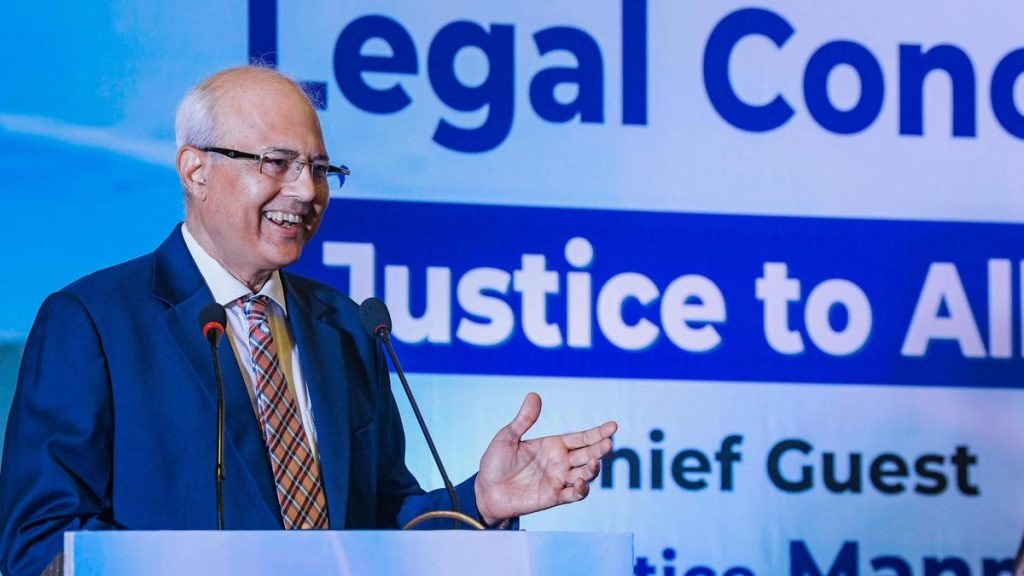
indian judiciary urged adopt:
A respected figure in the Indian judiciary, Justice Manmohan, has emphasized the importance of balancing criticism with efforts to improve the legal system. Speaking at a recent event, he noted that criticism should be viewed as a catalyst for growth and development, rather than outright condemnation. This approach is crucial to ensuring the legal system remains effective and just, according to Justice Manmohan. His comments come amidst a growing debate about the increasing role of technology in the legal system, with many arguing about its potential benefits and risks.
Justice Manmohan characterized technology as a “double-edged sword,” highlighting both its potential to enhance efficiency, accuracy, and accessibility, as well as its risks, including concerns about data privacy, cybersecurity, and the possibility of amplifying existing biases. The integration of technology into the legal framework is a complex and contentious issue, with proponents arguing that it can streamline processes and improve outcomes, while detractors voice concerns about its potential drawbacks.
The rapid pace of change in the legal sector has made Justice Manmohan’s views on technology particularly relevant. The adoption of digital tools and platforms has the potential to transform the way cases are processed, but it requires careful consideration to mitigate the risks. By acknowledging both the advantages and limitations of technology, it is possible to harness its potential while minimizing its impact. This thoughtful and balanced approach is essential to ensuring that the legal system remains effective and just.
The issues surrounding technology and criticism in the legal system have significant implications for the broader community. It is essential to engage in informed discussions about the future of the legal system, fostering a culture of open and constructive dialogue. By doing so, it is possible to navigate the challenges and opportunities presented by technology and ensure the continued effectiveness of the legal system. Justice Manmohan’s comments highlight the need for a balanced and nuanced approach to addressing the complexities of the modern legal system.
The need for constructive criticism and prudent technological innovation is crucial in creating a more just, effective, and adaptable system for all members of society. Justice Manmohan’s remarks emphasize the importance of embracing a culture of open dialogue and thoughtful consideration in the legal profession. As the legal system continues to evolve, his comments serve as a reminder of the need for careful consideration and nuanced decision-making.
The debate surrounding technology and criticism in the legal system is ongoing, with many experts and stakeholders weighing in on the issue. As the discussion continues, it is likely that new insights and perspectives will emerge, shaping the future of the legal system. For now, Justice Manmohan’s comments serve as a call to action, urging the legal profession to adopt a balanced and thoughtful approach to criticism and technological innovation.
As this story continues to unfold, more updates will become available, providing further insight into the ongoing debate about the role of technology in the legal system. The Indian judiciary’s approach to criticism and technological innovation will be closely watched, as it has significant implications for the effectiveness and justice of the legal system.