Trump administration offers mixed messages on limits to Ukraine’s Starshield access
 US Treasury proposes a rule to crack down on high-tech investments in China, other adversaries
 Calley Means, a key MAHA advocate, resigns as a top RFK Jr. adviser
 Spotify Tightens Family Plan Controls with QR Code Verification
 Use of Chief Minister C. Joseph Vijay’s deep fake videos to collect money: Rajasthan youth moves Madras High Court seeking bail
Kenya Confirms Four New Ebola Cases
**
Kenya Confirms Four New Ebola Cases - AI News Breaking
kenya confirms four ebola:
Kenya’s health ministry confirmed on Tuesday that four additional individuals have tested positive for Ebola, raising the national tally to seven confirmed cases since the virus was first detected in the coastal county of Kwale earlier this month. The latest infections were identified through the country’s expanded surveillance network, which was activated after the initial cluster of cases appeared in late August. Health officials say the new patients are being cared for at the isolation unit in Mombasa, the country’s designated treatment centre for viral haemorrhagic fevers, and that all are receiving the same supportive therapy administered since the outbreak began.The Ministry of Health’s spokesperson, Dr Miriam Otiende, emphasized that the rise in numbers does not signify a loss of control but rather reflects the robustness of the detection system now in place..
“Our rapid response teams are conducting thorough contact tracing, and we have already identified and monitored over 300 close contacts linked to the seven confirmed cases,” she told a press briefing in Nairobi. The ministry added that all identified contacts are being offered prophylactic care, including the administration of the rVSV‑ZEBOV vaccine, which has been supplied through a partnership with the World Health Organization and the United Nations’ Central Emergency Response Fund.The four new cases consist of two adults and two children, all of whom are residents of the same sub‑county where the first infections were recorded. Preliminary investigations suggest that the virus was transmitted through direct contact with bodily fluids of a patient who succumbed to the disease in early September..
Laboratory analysis performed at the Kenya Medical Research Institute’s (KEMRI) national reference lab confirmed the presence of the Zaire ebolavirus strain, matching the genetic sequence of the original index case. This finding reinforces the view that the outbreak is being driven by a single transmission chain rather than multiple introductions from abroad.International health bodies have closely monitored Kenya’s response, noting both the country’s swift mobilisation of resources and the challenges inherent in containing a pathogen that thrives in densely populated urban settings. The World Health Organization’s Regional Office for Africa issued a statement praising Kenya’s “transparent communication and adherence to the International Health Regulations,” while also urging neighbouring states to heighten vigilance along cross‑border routes..
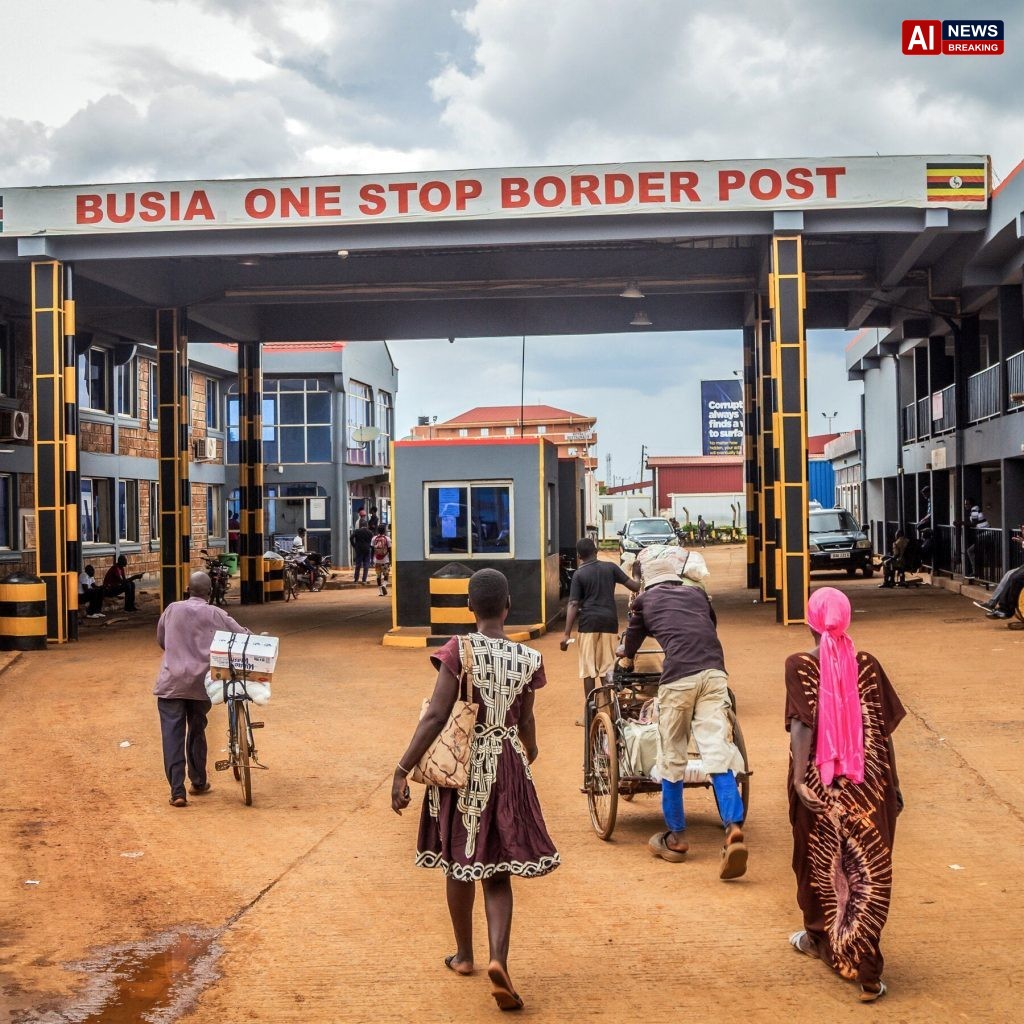
Tanzania and Uganda, which share trade and travel links with Kenya, have each dispatched epidemiological teams to assess the risk of spill‑over and to coordinate joint surveillance activities.Economists warn that the outbreak, though still limited in scope, could have broader repercussions for Kenya’s already fragile tourism sector. The coastal region, a key driver of the nation’s foreign exchange earnings, has seen a sharp decline in hotel bookings since news of the Ebola cases broke. The Kenya Tourism Board has appealed to potential visitors to “remain calm and heed official guidance,” noting that the country has maintained a travel advisory level that does not restrict entry but advises standard precautions for travelers from affected areas.Local communities near the outbreak’s epicentre have expressed a mixture of anxiety and cooperation..
Village elders in Kwale have convened town‑hall meetings to disseminate accurate information about the disease’s transmission routes and to discourage harmful myths that have surfaced on social media. In one such gathering, a community health worker demonstrated proper hand‑washing techniques and the correct way to don personal protective equipment when caring for a sick relative. Authorities report that compliance with quarantine orders has been high, with only a handful of violations recorded and swiftly addressed by local law enforcement.The Kenyan government’s budgetary allocation for the emergency response has been increased by 30 percent, with funds earmarked for expanding the capacity of the isolation facility in Mombasa, procuring additional diagnostic kits, and training health‑care workers in infection prevention and control..
President William Ruto, speaking at a national address, reiterated his administration’s commitment to “protecting every Kenyan and safeguarding our nation’s health security.” He also announced that a task force comprising representatives from the Ministry of Health, the Kenya Defence Forces, and the private sector would convene weekly to review progress and adjust strategies as needed.Researchers from the Kenyan Institute of Pathogen‑Host Interactions (KIPHI) are collaborating with international virologists to sequence the virus’s genome in real time, hoping to track any mutations that could affect transmissibility or vaccine efficacy. Early results suggest the virus remains genetically stable, a factor that may simplify containment efforts. Nonetheless, scientists caution that Ebola’s high case‑fatality rate—estimated at around 50 per cent for the current outbreak—necessitates sustained vigilance until the transmission chain is fully broken.As of the latest update, no deaths have been recorded among the newly confirmed patients, and all seven known cases are reported to be in stable condition..
Health officials stress that the situation remains fluid and that the public should continue to follow official guidance, which includes reporting any unusual illnesses, avoiding direct contact with bodily fluids of sick individuals, and seeking medical attention promptly if symptoms such as fever, vomiting, or unexplained bleeding appear. The Ministry of Health has set up a toll‑free hotline, 119, to field queries and to facilitate rapid reporting of suspected cases across the country.The outbreak in Kenya marks the first time the East African nation has faced Ebola, a disease that has claimed thousands of lives in neighbouring Democratic Republic of Congo and West Africa over the past decade. While the number of confirmed infections remains low compared to those historic crises, the episode serves as a stark reminder of the continent’s vulnerability to emerging infectious diseases..
International partners, regional bodies, and Kenyan authorities alike are now working in concert to ensure that the current cluster does not evolve into a larger epidemic, hoping that swift action and community cooperation will bring the situation under control in the weeks ahead..
Kenya’s health ministry said four more Ebola cases were confirmed, bringing the total to seven, all being treated at Mombasa’s isolation unit while authorities expand contact tracing, vaccination and surveillance. International partners praised Kenya’s transparent response, but the outbreak threatens tourism and underscores the need for continued vigilance.
Kenya’s rapid case detection showcases a nascent public‑health infrastructure that, if sustained, could become a regional model for epidemic containment—but the looming tourism fallout underscores how health security now doubles as economic security.