
 1 killed, 4 injured after man opens indiscriminate fire from car in Paris
  Open to alliance with parties that agree with SAD’s ideology: Sukhbir Singh Badal
  Palestinian Gunmen Open Fire on Israelis in the West Bank, Officials Say
  Russians across
  Jagan to move Supreme Court again over ‘obstruction’ of YSRCP nominees in Andhra local body polls
 Kochi Metro pink line stations feature Kerala cultural themes
**
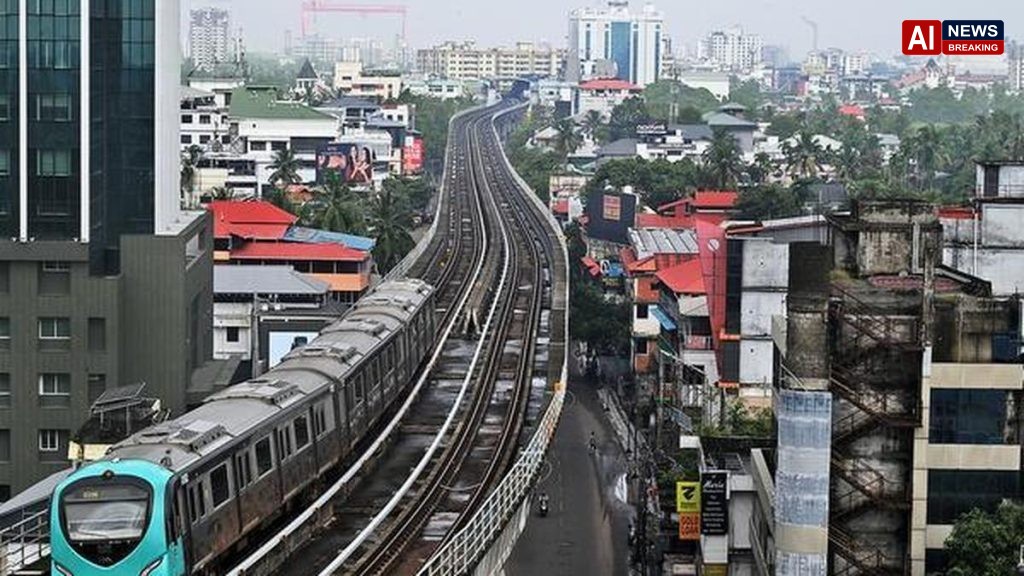
Kochi Metro’s Pink Line stations to showcase Keralam’s cultural heritage - AI News Breaking
The newly extended pink line of the Kochi Metro, which stretches from the bustling commercial hub of Kakkanad to the serene coastal area of Aroor, is set to become a moving gallery celebrating Kerala’s rich cultural tapestry. With eleven stations along the route, city planners and local artists have collaborated to turn each stop into a thematic exhibit that reflects a different facet of the state’s heritage. From the vibrant world of traditional cartoons to the disciplined rhythms of martial arts, the line will offer commuters an immersive experience that transcends the ordinary commute.At the starting point in Kakkanad, the station’s interior is dominated by large murals depicting scenes from Kerala’s iconic handloom industry..
The intricate patterns of the cotton and silk fabrics that have been woven in the region for centuries are rendered in vivid color, their textures almost palpable against the station walls. Artisans from the nearby Kottayam district have contributed authentic samples of their work, allowing passengers to see the tactile quality of the textiles up close. The station’s design also incorporates subtle soundscapes—soft, rhythmic music that mimics the sound of a loom in motion, creating an ambiance that feels both grounded and alive.Moving northwards, the next stop is dedicated to the world of cartoon..
The station’s façade is a riot of playful illustrations, drawing inspiration from the famed Malayalam comic strips that have entertained generations. An interactive screen lets commuters swipe through panels from beloved characters, offering a nostalgic nod to the past while engaging the younger audience. The station’s lighting is programmed to shift in patterns reminiscent of comic panels, adding a layer of visual dynamism that invites travelers to pause and reflect on the lighter side of Kerala’s artistic output.Further along the line, the Kathakali station pays homage to the state’s most elaborate classical dance form..
The station’s interior features a series of large, life-sized sculptures depicting dancers in full regalia, their elaborate costumes captured in meticulous detail. A small amphitheater at the rear of the station hosts weekly performances by local troupes, allowing commuters to witness the intricate facial expressions and hand gestures that define Kathakali. The sound system plays traditional percussion, while subtle scent diffusers release the faint aroma of sandalwood paste, commonly used in the preparation of Kathakali costumes.The next stop is a tribute to Kalaripayattu, the ancient martial art that is considered one of the oldest fighting systems in the world..
The station’s décor includes an impressive display of weapons and training equipment, while a wall of photographs chronicles the evolution of the practice over the centuries. A short video installation showcases a live demonstration of the art’s signature moves, offering commuters a glimpse into the discipline and agility that characterize Kalaripayattu. Nearby, a small kiosk sells traditional martial arts attire and accessories, allowing enthusiasts to purchase items that support the continued practice of the art form.Aroor station is where the line takes a turn towards the spiritual realm, celebrating the vibrant and often misunderstood art of Theyyam..
The station’s interior is adorned with a series of murals that depict the various theyyam performers in their full regalia, complete with the elaborate face paint and costume details. A small stage at the front of the platform hosts live theyyam performances on selected days, providing commuters with an intimate glimpse into a cultural tradition that is both deeply rooted in the local communities and widely admired across the state. In addition to the performances, the station offers visitors the opportunity to learn about the myths and legends that underlie the different types of theyyam.The line’s remaining stops continue the theme of cultural exploration..
One station is dedicated to the traditional music of Kerala, featuring a collection of vintage instruments from the state’s various regions, from the classical chenda to the folk flute. An interactive digital display explains the history and use of each instrument, allowing commuters to appreciate the diversity of Kerala’s musical heritage. Another station focuses on the region’s rich literary tradition, with large portraits of famous Malayalam writers and a small library that offers readers a selection of classic and contemporary works..
Visitors can also learn about the historical evolution of the Malayalam language, with exhibits detailing the influences of Sanskrit, Arabic and English on the local script.The final station before the line reaches Aroor is a celebration of the natural environment that has shaped Kerala’s cultural identity. The station’s façade is covered in large, vibrant murals that depict the state’s lush backwaters, tea plantations and wildlife. In addition to the visual displays, the station is equipped with a small garden that showcases native plant species and a water feature that mimics the flow of the backwaters..
A series of interactive exhibits explains the ecological significance of Kerala’s natural resources and highlights the role of conservation in preserving the state’s cultural heritage.The initiative to integrate cultural themes into the infrastructure of the pink line reflects a broader effort by the city’s authorities to promote local heritage and strengthen community identity. By turning everyday travel into an educational experience, the project encourages commuters to engage with the cultural narratives that define Kerala’s identity. The project is expected to attract both local residents and tourists, who will be drawn to the unique opportunity to experience the state’s cultural heritage in a fresh and innovative way.Overall, the pink line’s thematic stations are more than mere transit points; they are dynamic cultural centers that celebrate the state’s artistic, traditional and natural heritage..
By combining art, performance, literature and environmental education, the line offers a multifaceted glimpse into Kerala’s identity, ensuring that the experience of traveling through the city is as enriching as it is efficient..
Updated: September 7, 2026
Kochi is democratizing high culture by embedding heritage directly into the daily grind of urban transit. This transforms passive commuting into active cultural stewardship, ensuring identity survives in the pace of modern life.