Indonesia denies foreign claim to rescued orangutans
 Turkey hosts COP31 climate talks in Antalya.
 Pope meets Argentine bishops.
 APOD: 2026 November 8 – Major Fireball Meteor
 Indonesian Horror Hit ‘Pabrik Gula’ Gets 2028 Sequel as MD Entertainment Lines Up Three Imax Films
Maharashtra MLC polls: Blame game begins in Mahayuti as BJP accuses Shiv Sena for defeat
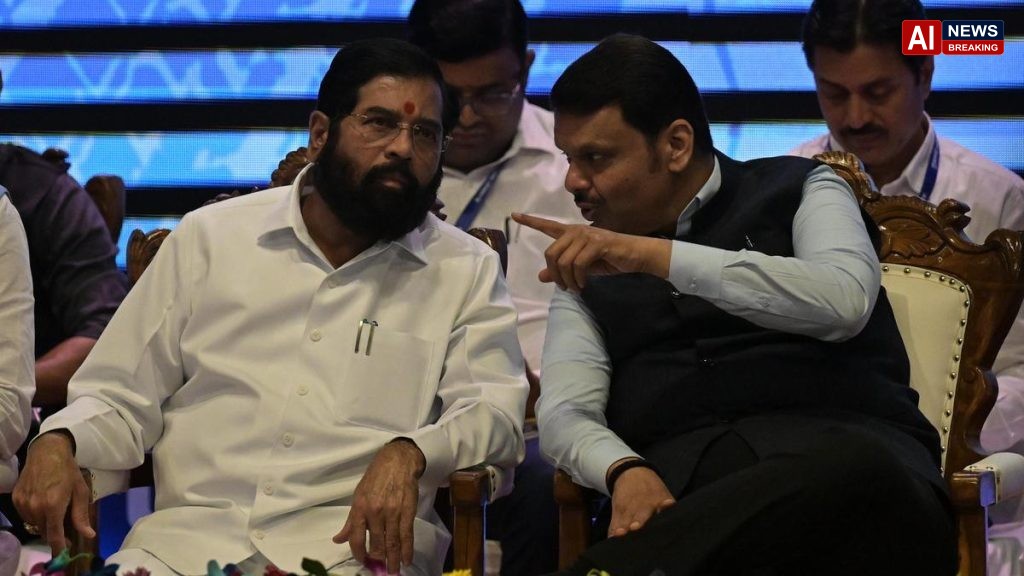
Maharashtra MLC polls: Blame game begins in Mahayuti as BJP accuses Shiv Sena for defeat - AI News Breaking
maharashtra polls blame game:
Maharashtra’s political landscape has once again turned sharply toward the centre of power after the recent elections for the State Legislative Council. The results, announced earlier this week, saw the National Democratic Alliance (NDA), dominated by the Bharatiya Janata Party (BJP), fall short of the majority it had enjoyed in the previous term. While the BJP’s share of seats reduced to 27 out of 68, its coalition partner Shiv Sena managed a modest gain, securing 10 seats compared to the 8 it had held before..
The loss, though not catastrophic, has triggered an immediate blame game between the two allies, each pointing fingers at the other for the defeat.At the first post‑poll press conference, BJP leaders castigated Shiv Sena as “greedy” and accused the party of prioritising its own interests over those of the alliance. “We have seen the Shiv Sena’s ambition to dominate the council at the expense of the entire coalition,” said a senior BJP spokesperson. The statement came on the heels of an official statement released by the BJP, which accused the Sena of not cooperating on key policy issues during the campaign and of focusing on regional politics rather than state‑wide development..
According to the BJP, Shiv Sena’s manoeuvres cost the coalition vital votes that could have tipped the balance in the council’s favour.Shiv Sena’s reaction was swift and pointed. Party leaders responded that the BJP had been the true culprit in the loss, citing “unfair seat distribution” as the decisive factor. The Sena’s chief spokesperson said that the BJP had been responsible for a “rigged” allocation of seats that favoured the opposition parties..
“The BJP’s failure to ensure an equitable distribution of seats was the real cause of this defeat,” he added, suggesting that a more balanced approach might have yielded a different result. The Sena further criticised the BJP for a lack of transparency in the electoral process, claiming that the alliance had been deprived of crucial information that could have altered campaign strategies.The accusations have revealed deeper fissures within the alliance that have long been a point of contention. Both parties have historically relied on a delicate balance of power to govern the state, but the recent election has long‑standing grievances..
Analysts say that the Sena’s increasing demand for greater autonomy and a larger share of power has strained relations with the BJP, which has traditionally viewed the Sena as a crucial ally but also a potential threat if it pursues its own agenda too aggressively.The electoral commission’s role has also come under scrutiny. Shiv Sena has raised concerns that the electoral authorities did not provide an unbiased framework for seat allocation, while the BJP insists that the commission followed its standard procedures. The commission’s spokesperson confirmed that the allocation was based on the formula prescribed in the state’s constitution and that no irregularities were found..
However, the dispute over the allocation process has further widened the rift, with each side pointing to procedural lapses that, in their view, undermined the alliance’s chances.In the weeks leading up to the poll, the alliance’s campaign strategy had been heavily focused on economic development and infrastructure projects, with both parties promising significant investment in the state’s transport and energy sectors. Yet the opposition parties, led by the Indian National Congress and the Nationalist Congress Party, capitalised on public dissatisfaction with the incumbent government’s performance. They presented themselves as an alternative that could bring fresh ideas and a break from the perceived stagnation of the ruling coalition.The opposition’s success can also be attributed to the growing influence of regional voices..
A number of independent candidates and smaller parties have secured a handful of seats, signalling a shift in the political landscape that favours local issues over national narratives. The Shiv Sena’s attempt to rally regional support, however, has not been enough to counter the broader anti-incumbent sentiment that swayed voters across the state. The BJP, on the other hand, has struggled to articulate a cohesive vision that resonates with a diverse electorate, leading to a perception that the party’s policies are out of touch with local needs.Political commentators suggest that the fallout from the election could force a realignment in Maharashtra’s politics..
Some analysts predict that the alliance may need to renegotiate the power-sharing agreement, potentially ceding more control to Shiv Sena in exchange for loyalty on key votes. Others warn that a split could weaken both parties, allowing opposition forces to gain a foothold in the council. The outcome of these negotiations will likely determine the stability of the state government over the coming months.The immediate aftermath of the election has seen both parties organising large rallies to galvanise their supporters..
The BJP’s rallies have focused on the narrative of betrayal and the need for a united front against corruption, while Shiv Sena has highlighted its own track record in addressing local concerns. In both cases, the rhetoric has been sharply polarised, with each side blaming the other for the perceived failure of the alliance. The rallies have also served as a platform for both parties to outline their plans for the future, though concrete proposals remain vague.As Maharashtra’s political actors grapple with the consequences of the recent polls, the broader implications for the state’s governance are significant..
The council’s composition will shape legislative priorities, budget allocations, and policy reforms over the next year. The BJP’s loss of majority may necessitate compromise on key initiatives, while Shiv Sena’s increased influence could shift the focus towards more region‑specific concerns. Ultimately, the next steps taken by the alliance will determine whether the blame game subsides in favour of collaboration or continues to erode the partnership that has defined Maharashtra’s political scene for over a decade..
Updated: October 29, 2026
Summary: Bharatiya Janata Party lost its majority in Maharashtra’s Legislative Council, prompting a sharp blame‑game with partner Shiv Sena over seat allocation and campaign tactics. The fallout hints at a potential realignment of the NDA, as both parties grapple with how to regain cohesion and control amid rising regional dissent.
The post‑poll blame‑game signals a deeper rift that could force the NDA to trade national‑level agendas for regional concessions, reshaping Maharashtra’s policy priorities toward local issues.
If Shiv Sena’s push for greater autonomy sticks, the alliance may splinter, opening a window for opposition